THE ADVENTURE COLLECTIVE® · Independent discovery and booking for outdoor travel

A full-day escape from Bangkok into Khao Yai National Park to see Haew Narok and Haew Suwat waterfalls, with reservoir stops, wildlife sightings, and a viewpoint for hornbills. Expect stairs, short jungle walks, and dramatic flows at peak season.
A full-day escape from Bangkok into Khao Yai National Park to see Haew Narok and Haew Suwat waterfalls, with reservoir stops, wildlife sightings, and a viewpoint for hornbills. Expect stairs, short jungle walks, and dramatic flows at peak season.
You leave Bangkok before dawn and the city blurs into cracked highway and roadside orchards; three hours later the air cools, the road narrows, and the forest takes hold. At the park gate you step out into humidity cut by a steady, leafy hush — the kind that makes a waterfall sound like an announcement.
Verified experiences and guided adventures in the surrounding area.
Operated by Bigcountry Experience · Pak Chong, Nakhon Ratchasima
You leave Bangkok before dawn and the city blurs into cracked highway and roadside orchards; three hours later the air cools, the road narrows, and the forest takes hold. At the park gate you step out into humidity cut by a steady, leafy hush — the kind that makes a waterfall sound like an announcement.
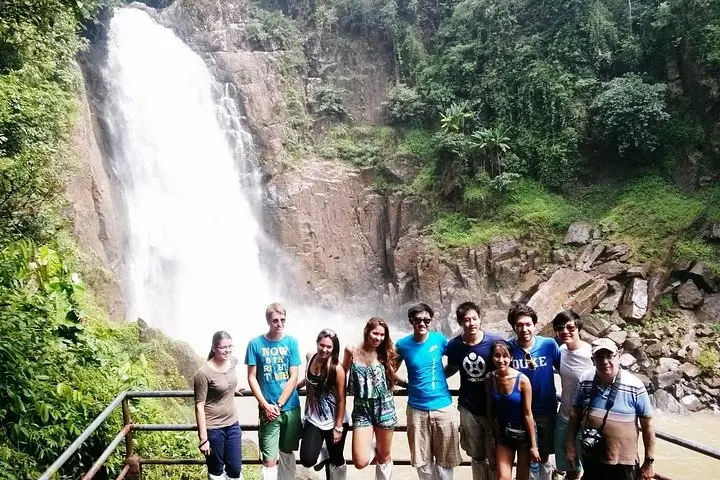
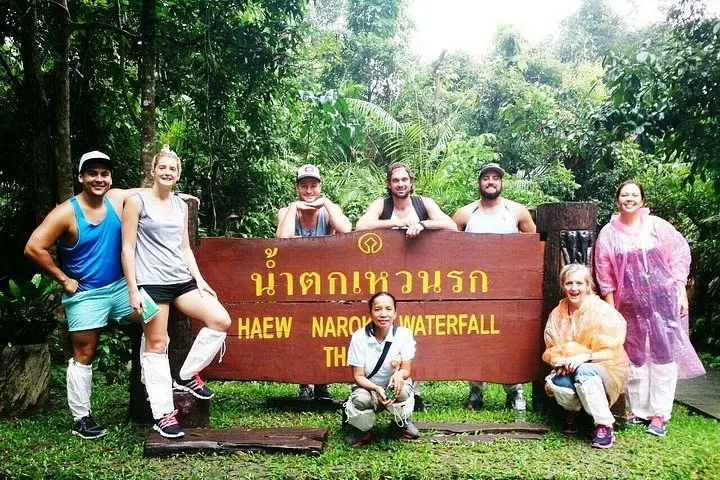
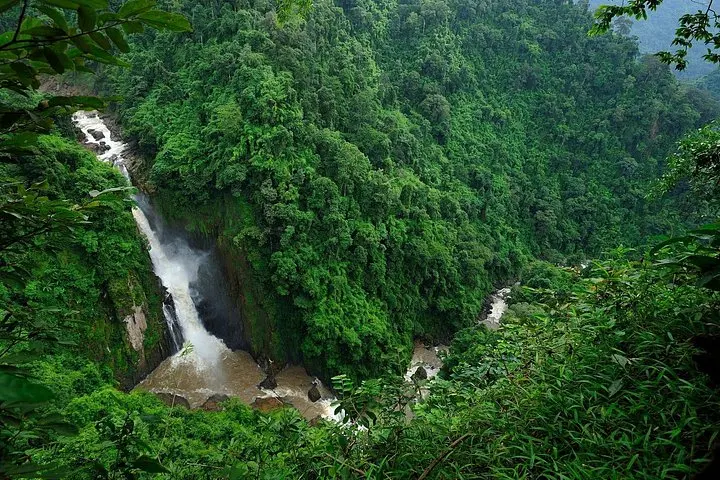
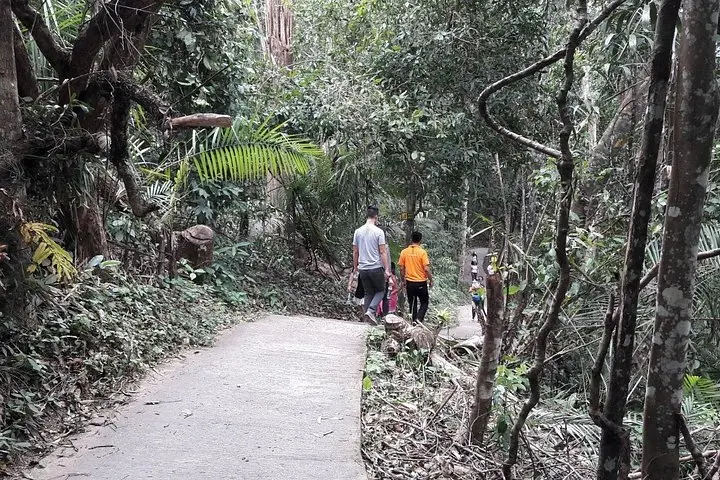
Haew Narok is a three-tiered plunge that demands a short, stair-rich walk (roughly 1 km with about 200 steps). The trail is paved in places and carved into steep jungle, so the approach feels purposeful: roots, damp rock, and the constant pulse of falling water. Haew Suwat, the other stop, is instantly recognizable from film and offers a broader lip and a gentler access for photographs.
Khao Yai sits on the Dong Phaya Yen–Khao Yai forest complex, a UNESCO-listed tract protecting mixed deciduous and evergreen forest on the Khorat Plateau’s foothills. The park’s geology is mostly sandstone and lateritic soils, which feed the streams that swell in the rainy season — June to October — when the falls are at their best.
Practical side: this is a long day (9–10 hours), with park fees and a short lunch break included in most tours. Expect muddy patches in the wet months, leeches after rain, and good chances to spot deer and hornbills at roadside clearings. Bring sturdy shoes, insect repellent, a light rain shell, and a camera with a fast shutter for spray and fleeting wildlife.
Timing is everything: early arrival reduces heat and bus traffic on the trails, while visiting in the rainy season rewards you with dramatic flows and emerald pools. Respect trails, avoid feeding wildlife, and plan your return to Bangkok before evening traffic tightens.
Haew Narok and Haew Suwat have their highest flow during the rainy season (June–October); dry-season visits can show reduced flow or exposed rock.
Most organized day trips include national park entrance fees; confirm with your operator before booking.
Common sightings include sambar deer, groups of colorful hornbills, and a variety of butterflies and small forest birds—larger mammals are possible but less likely on a single day visit.
Bigcountry Experience operates guided outdoor trips and adventures with an emphasis on safety, stewardship, and memorable experiences.
You leave Bangkok before dawn and the city blurs into cracked highway and roadside orchards; three hours later the air cools, the road narrows, and the forest takes hold. At the park gate you step out into humidity cut by a steady, leafy hush — the kind that makes a waterfall sound like an announcement.
You leave Bangkok before dawn and the city blurs into cracked highway and roadside orchards; three hours later the air cools, the road narrows, and the forest takes hold. At the park gate you step out into humidity cut by a steady, leafy hush — the kind that makes a waterfall sound like an announcement.
Haew Narok is a three-tiered plunge that demands a short, stair-rich walk (roughly 1 km with about 200 steps). The trail is paved in places and carved into steep jungle, so the approach feels purposeful: roots, damp rock, and the constant pulse of falling water. Haew Suwat, the other stop, is instantly recognizable from film and offers a broader lip and a gentler access for photographs.
Khao Yai sits on the Dong Phaya Yen–Khao Yai forest complex, a UNESCO-listed tract protecting mixed deciduous and evergreen forest on the Khorat Plateau’s foothills. The park’s geology is mostly sandstone and lateritic soils, which feed the streams that swell in the rainy season — June to October — when the falls are at their best.
Practical side: this is a long day (9–10 hours), with park fees and a short lunch break included in most tours. Expect muddy patches in the wet months, leeches after rain, and good chances to spot deer and hornbills at roadside clearings. Bring sturdy shoes, insect repellent, a light rain shell, and a camera with a fast shutter for spray and fleeting wildlife.
Timing is everything: early arrival reduces heat and bus traffic on the trails, while visiting in the rainy season rewards you with dramatic flows and emerald pools. Respect trails, avoid feeding wildlife, and plan your return to Bangkok before evening traffic tightens.