THE ADVENTURE COLLECTIVE® · Independent discovery and booking for outdoor travel

Experience Salalah’s green season on a full-day loop through springs, Taqah cliffs, Wadi Darbat waterfalls and the Tawi Ateer sinkhole. This guided drive-and-walk tour mixes short easy hikes, cultural stops and photo viewpoints.
Experience Salalah’s green season on a full-day loop through springs, Taqah cliffs, Wadi Darbat waterfalls and the Tawi Ateer sinkhole. This guided drive-and-walk tour mixes short easy hikes, cultural stops and photo viewpoints.
A low cloud clings to the Dhofar escarpment as the minivan turns east from Salalah; the air smells of wet earth and crushed grass. Travelers step out at a shaded spring and hear, rather than see at first, the thin, persistent whisper of water—this is Khareef country, where the monsoon teases the desert into green.
Verified experiences and guided adventures in the surrounding area.
Operated by Arabian Travel Service · Salalah, Dhofar
A low cloud clings to the Dhofar escarpment as the minivan turns east from Salalah; the air smells of wet earth and crushed grass. Travelers step out at a shaded spring and hear, rather than see at first, the thin, persistent whisper of water—this is Khareef country, where the monsoon teases the desert into green.
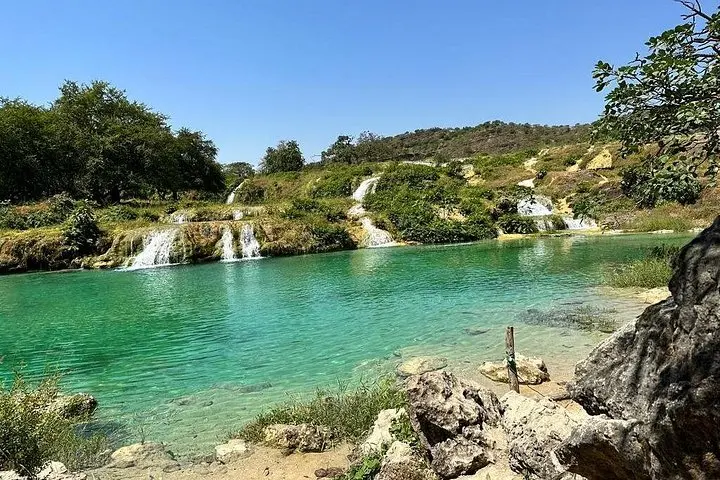
The route threads ancient falaj channels, seaside cliffs at Taqah, and the broad bowl of Wadi Darbat where seasonal waterfalls tumble from limestone benches. Geologically, the Dhofar range is younger and steeper than much of Oman, cut by wadi systems that collect monsoon flow and carve sinkholes like Tawi Ateer. Culturally the coast and moutains have long been linked by frankincense trade; forts at Taqah remind visitors of a maritime past and local village life centered on date palms and irrigation.
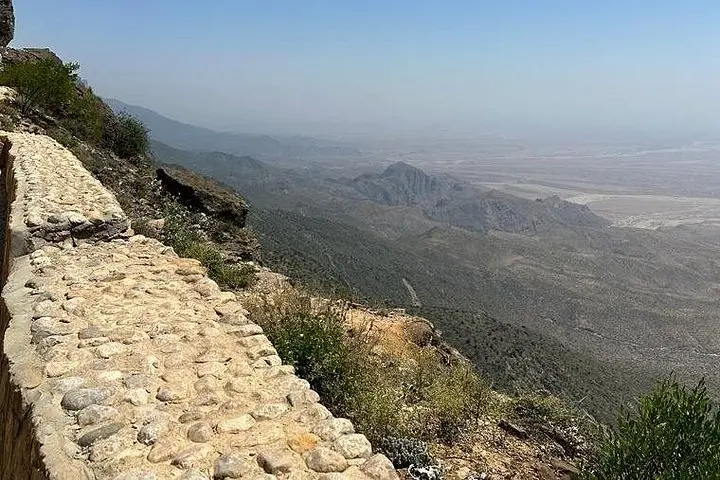
Expect short walks on paved paths and dirt tracks, photo stops at viewpoints and easy access to picnic areas around the lake. In autumn and the Khareef months (roughly June–September) rivers swell, waterfalls are dramatic and the hills wear green; outside of that window, the landscape is drier and views are wide and spare.
Practical: bring refillable water, sun protection, and stable shoes for uneven shorelines; a light waterproof layer is useful in mist or showers. Tours typically include bottled water, tea and coffee and operate as full-day loops (about seven hours) with multiple staffed stops. Arrive with a charged camera, modest clothing for village visits, and spare time to linger at Wadi Darbat—the river will dare you to stay a little longer.
The full-day itinerary runs about seven hours including pickups, stops and return to Salalah.
Yes; the tour is classified as easy and includes short, low-impact walks, though some viewpoints involve steps or uneven terrain.
No; waterfalls are most impressive during Khareef (roughly June–September) and after heavy rains—outside those periods flows may be reduced or absent.
Bottled water, tea/coffee and dates are included; if you booked a picnic lunch box request it when you confirm the tour.
Arabian Travel Service operates guided outdoor trips and adventures with an emphasis on safety, stewardship, and memorable experiences.
A low cloud clings to the Dhofar escarpment as the minivan turns east from Salalah; the air smells of wet earth and crushed grass. Travelers step out at a shaded spring and hear, rather than see at first, the thin, persistent whisper of water—this is Khareef country, where the monsoon teases the desert into green.
A low cloud clings to the Dhofar escarpment as the minivan turns east from Salalah; the air smells of wet earth and crushed grass. Travelers step out at a shaded spring and hear, rather than see at first, the thin, persistent whisper of water—this is Khareef country, where the monsoon teases the desert into green.
The route threads ancient falaj channels, seaside cliffs at Taqah, and the broad bowl of Wadi Darbat where seasonal waterfalls tumble from limestone benches. Geologically, the Dhofar range is younger and steeper than much of Oman, cut by wadi systems that collect monsoon flow and carve sinkholes like Tawi Ateer. Culturally the coast and moutains have long been linked by frankincense trade; forts at Taqah remind visitors of a maritime past and local village life centered on date palms and irrigation.
Expect short walks on paved paths and dirt tracks, photo stops at viewpoints and easy access to picnic areas around the lake. In autumn and the Khareef months (roughly June–September) rivers swell, waterfalls are dramatic and the hills wear green; outside of that window, the landscape is drier and views are wide and spare.
Practical: bring refillable water, sun protection, and stable shoes for uneven shorelines; a light waterproof layer is useful in mist or showers. Tours typically include bottled water, tea and coffee and operate as full-day loops (about seven hours) with multiple staffed stops. Arrive with a charged camera, modest clothing for village visits, and spare time to linger at Wadi Darbat—the river will dare you to stay a little longer.