THE ADVENTURE COLLECTIVE® · Independent discovery and booking for outdoor travel

Two days on the Mongolian heartland: explore the ruins and monastery of Kharkhorin, then track Przewalski’s horses in Khustai National Park. Expect wide horizons, ger-camp nights, and a mix of cultural history and steppe wildlife.
Two days on the Mongolian heartland: explore the ruins and monastery of Kharkhorin, then track Przewalski’s horses in Khustai National Park. Expect wide horizons, ger-camp nights, and a mix of cultural history and steppe wildlife.
Morning light flattens across the steppe as a convoy leaves Ulaanbaatar and the road unrolls toward Kharkhorin. Wind moves the grasses like a visible current; gers punctuate the horizon and the stone walls of Erdene Zuu appear, low and deliberate against the sky. By afternoon visitors stand where the seat of the Mongol Empire once shifted the world map.
Verified experiences and guided adventures in the surrounding area.
Operated by Mongolian Vision Tours · Kharkhorin, Övörkhangai Province
Morning light flattens across the steppe as a convoy leaves Ulaanbaatar and the road unrolls toward Kharkhorin. Wind moves the grasses like a visible current; gers punctuate the horizon and the stone walls of Erdene Zuu appear, low and deliberate against the sky. By afternoon visitors stand where the seat of the Mongol Empire once shifted the world map.
Erdene Zuu sits atop the ruins of 13th-century Karakorum, its 1586 walls built from the same stones that marked imperial foundations. The surrounding Orkhon Valley—an archaeological and geological corridor carved by the Orkhon River—reveals river terraces, volcanic outcrops and expansive meadows where nomadic herders still rotate livestock. Cultural stops include the local museum, Turtle and Phallic Rocks, and short horse rides that connect travelers to Mongolia’s equestrian traditions.
Day two shifts to Khustai National Park, where the reintroduced Takhi (Przewalski’s horses) move in small family bands. The park’s mosaic of forest, steppe and lava fields supports elk, gazelle and raptors; wildlife encounters depend on patient observation and quiet movement.
Practical guidance: pack layered clothing for strong diurnal swings, bring sturdy footwear for uneven ground around ruins, and prepare for long drives (roughly 360–370 km each way). Ger-camp lodging is basic but comfortable; respect pastoral rhythms by asking before photographing families or livestock. Park entry fees and a local guide are typically included—use them to locate wildlife and understand conservation efforts. Travel light, hydrate often, and keep noise low when approaching animal habitat.
Very likely in Khustai if you visit with a park guide—sightings depend on season and time of day, early morning and late afternoon are best.
Overnight stays are typically in tourist ger camps or family gers with basic facilities: shared bathrooms or simple toilets and communal dining.
Yes—activity is low-impact with short rides and easy walks, but expect long drives and variable weather; prepare accordingly.
Late spring through early fall (May–September) offers milder weather and higher wildlife activity; shoulder seasons reduce crowds but can be colder.
Mongolian Vision Tours operates guided outdoor trips and adventures with an emphasis on safety, stewardship, and memorable experiences.


Morning light flattens across the steppe as a convoy leaves Ulaanbaatar and the road unrolls toward Kharkhorin. Wind moves the grasses like a visible current; gers punctuate the horizon and the stone walls of Erdene Zuu appear, low and deliberate against the sky. By afternoon visitors stand where the seat of the Mongol Empire once shifted the world map.
Morning light flattens across the steppe as a convoy leaves Ulaanbaatar and the road unrolls toward Kharkhorin. Wind moves the grasses like a visible current; gers punctuate the horizon and the stone walls of Erdene Zuu appear, low and deliberate against the sky. By afternoon visitors stand where the seat of the Mongol Empire once shifted the world map.
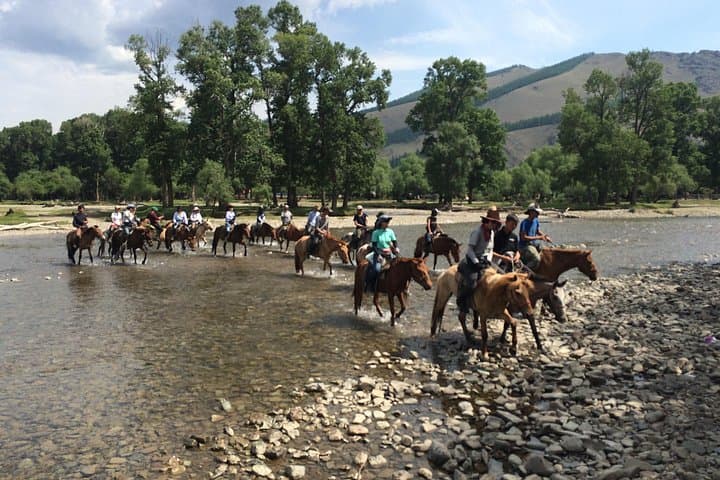
Erdene Zuu sits atop the ruins of 13th-century Karakorum, its 1586 walls built from the same stones that marked imperial foundations. The surrounding Orkhon Valley—an archaeological and geological corridor carved by the Orkhon River—reveals river terraces, volcanic outcrops and expansive meadows where nomadic herders still rotate livestock. Cultural stops include the local museum, Turtle and Phallic Rocks, and short horse rides that connect travelers to Mongolia’s equestrian traditions.
Day two shifts to Khustai National Park, where the reintroduced Takhi (Przewalski’s horses) move in small family bands. The park’s mosaic of forest, steppe and lava fields supports elk, gazelle and raptors; wildlife encounters depend on patient observation and quiet movement.
Practical guidance: pack layered clothing for strong diurnal swings, bring sturdy footwear for uneven ground around ruins, and prepare for long drives (roughly 360–370 km each way). Ger-camp lodging is basic but comfortable; respect pastoral rhythms by asking before photographing families or livestock. Park entry fees and a local guide are typically included—use them to locate wildlife and understand conservation efforts. Travel light, hydrate often, and keep noise low when approaching animal habitat.