THE ADVENTURE COLLECTIVE® · Independent discovery and booking for outdoor travel

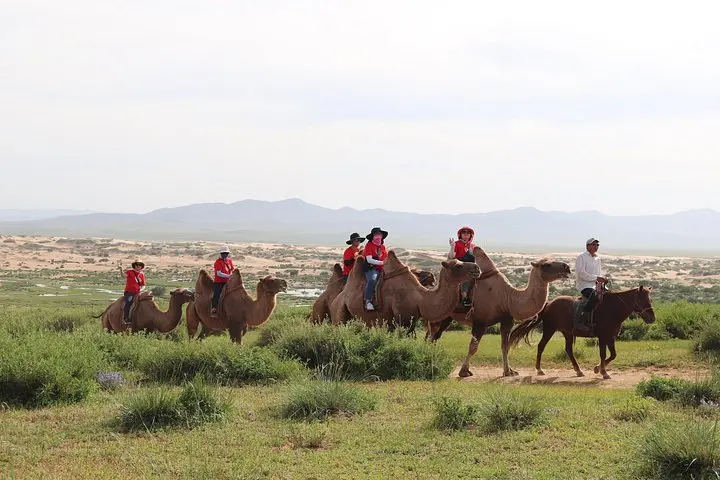
A compact three-day route from Ulaanbaatar takes you through Kharkhorin’s historic ruins and Erdene Zuu Monastery before the dunes of Elsen Tasarkhai, where you’ll ride camels and horses and stay with a nomadic family. Expect ger accommodations, sand walking, and hands-on cultural exchanges.
A compact three-day route from Ulaanbaatar takes you through Kharkhorin’s historic ruins and Erdene Zuu Monastery before the dunes of Elsen Tasarkhai, where you’ll ride camels and horses and stay with a nomadic family. Expect ger accommodations, sand walking, and hands-on cultural exchanges.
You step out of the van and the steppe stretches like an open page — wind pulling at your jacket, small ridges of sand catching light. On a three-day loop from Ulaanbaatar, the landscape changes from river-carved valley to slow-moving dunes, and you’ll move with it: visiting Kharkhorin’s ruins, the age-worn walls of Erdene Zuu monastery, then crossing into the Elsen Tasarkhai Mini Gobi to ride camels and horses with nomads.
Verified experiences and guided adventures in the surrounding area.
Operated by Meet Mongolia Join Tours LLC · Kharkhorin, Övörkhangai Province
You step out of the van and the steppe stretches like an open page — wind pulling at your jacket, small ridges of sand catching light. On a three-day loop from Ulaanbaatar, the landscape changes from river-carved valley to slow-moving dunes, and you’ll move with it: visiting Kharkhorin’s ruins, the age-worn walls of Erdene Zuu monastery, then crossing into the Elsen Tasarkhai Mini Gobi to ride camels and horses with nomads.
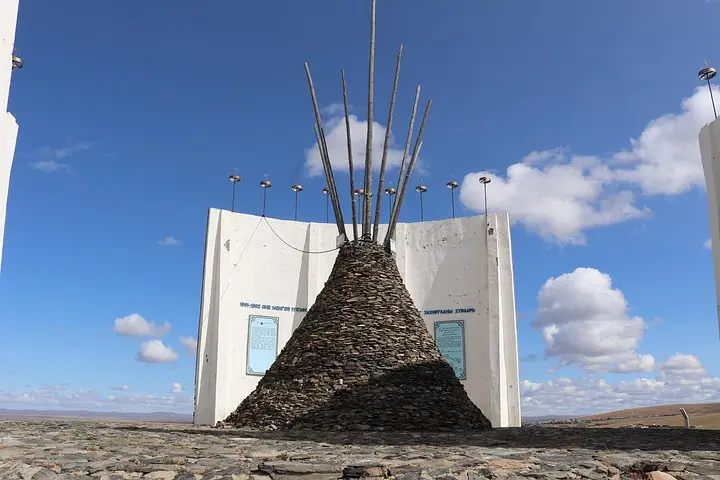
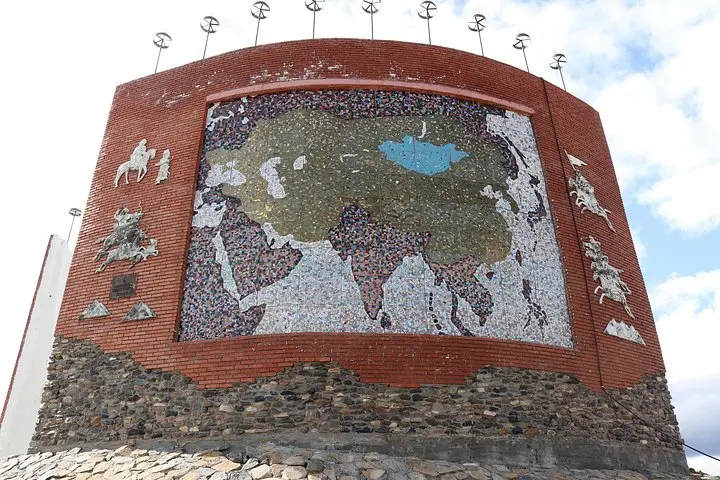
Kharkhorin (Karakorum) sits where the 13th-century capital once stood; stones from the ruined city were reused to build Erdene Zuu in 1586, linking Mongol imperial history to later Buddhist life. Geologically, the Orkhon Valley is a fertile corridor carved by the Orkhon and Tarna rivers, while Elsen Tasarkhai’s dunes are anchored by vegetation and bordered by Khogno Khan’s outcrops.
Culturally, expect direct hospitality: ger stays, shared meals, ankle bone games and livestock chores that show daily nomadic routines. Nature here acts with intent — the Tarna River pushes a ribbon of green against the sandy fringe, and the dunes invite slow, contemplative steps.
Practical guidance: pack layered clothing (summers are hot by day, cold at night), sturdy footwear for mixed terrain, and at least 2 liters of water per day. Riding is guided and suitable for beginners but let your guide know your experience. Expect unpaved roads and basic ger facilities; plan for sun, wind, and sudden temperature swings. Aim to travel light, charge electronics before departure, and bring cash for small purchases and tips.
No — basic guided camel and horse rides are included and suitable for beginners; notify the operator of your comfort level so guides can match you appropriately.
Overnight stays are in traditional gers (yurts) at tourist camps and with nomadic families; bedding is provided but facilities are basic.
The operator notes it is not recommended for pregnant travelers; children can join if able to handle long drives and basic riding — check age limits with the provider.
Bring enough Mongolian tugrik for snacks, souvenirs, and tips; card payment is unreliable in rural areas, so carry several tens to a few hundred USD converted locally depending on purchases.
Meet Mongolia Join Tours LLC operates guided outdoor trips and adventures with an emphasis on safety, stewardship, and memorable experiences.
You step out of the van and the steppe stretches like an open page — wind pulling at your jacket, small ridges of sand catching light. On a three-day loop from Ulaanbaatar, the landscape changes from river-carved valley to slow-moving dunes, and you’ll move with it: visiting Kharkhorin’s ruins, the age-worn walls of Erdene Zuu monastery, then crossing into the Elsen Tasarkhai Mini Gobi to ride camels and horses with nomads.
You step out of the van and the steppe stretches like an open page — wind pulling at your jacket, small ridges of sand catching light. On a three-day loop from Ulaanbaatar, the landscape changes from river-carved valley to slow-moving dunes, and you’ll move with it: visiting Kharkhorin’s ruins, the age-worn walls of Erdene Zuu monastery, then crossing into the Elsen Tasarkhai Mini Gobi to ride camels and horses with nomads.
Kharkhorin (Karakorum) sits where the 13th-century capital once stood; stones from the ruined city were reused to build Erdene Zuu in 1586, linking Mongol imperial history to later Buddhist life. Geologically, the Orkhon Valley is a fertile corridor carved by the Orkhon and Tarna rivers, while Elsen Tasarkhai’s dunes are anchored by vegetation and bordered by Khogno Khan’s outcrops.
Culturally, expect direct hospitality: ger stays, shared meals, ankle bone games and livestock chores that show daily nomadic routines. Nature here acts with intent — the Tarna River pushes a ribbon of green against the sandy fringe, and the dunes invite slow, contemplative steps.
Practical guidance: pack layered clothing (summers are hot by day, cold at night), sturdy footwear for mixed terrain, and at least 2 liters of water per day. Riding is guided and suitable for beginners but let your guide know your experience. Expect unpaved roads and basic ger facilities; plan for sun, wind, and sudden temperature swings. Aim to travel light, charge electronics before departure, and bring cash for small purchases and tips.