THE ADVENTURE COLLECTIVE® · Independent discovery and booking for outdoor travel

Drive into Musandam’s raw highlands on a half-day 4x4 to Jebel Harim. Expect fossil-strewn limestone ridges, a visit to Sayhe village, and sweeping views where mountain meets sea.
Drive into Musandam’s raw highlands on a half-day 4x4 to Jebel Harim. Expect fossil-strewn limestone ridges, a visit to Sayhe village, and sweeping views where mountain meets sea.
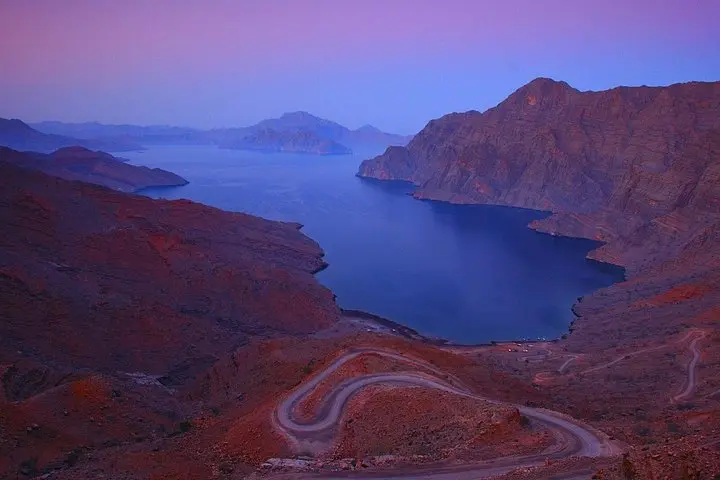
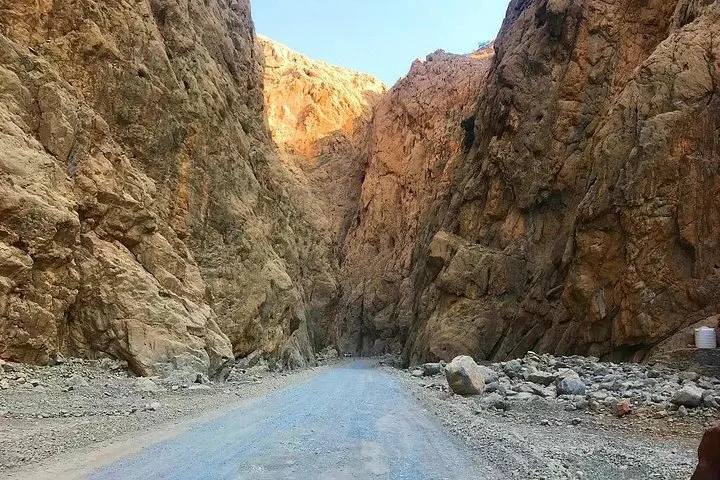
The convoy grinds up a gravel ribbon carved into the Musandam spine, dust lifting like a dry promise as the sea shrinks behind. Windows frame steep, ribbed slopes and pale strata where ancient seas left shells and fossils embedded in the rock; the road climbs toward Jebel Harim and the air thins with a cold, mineral clarity that makes the horizon feel close enough to touch.
Verified experiences and guided adventures in the surrounding area.
Operated by Dolphin Khasab Tours · Khasab, Musandam Governorate
The convoy grinds up a gravel ribbon carved into the Musandam spine, dust lifting like a dry promise as the sea shrinks behind. Windows frame steep, ribbed slopes and pale strata where ancient seas left shells and fossils embedded in the rock; the road climbs toward Jebel Harim and the air thins with a cold, mineral clarity that makes the horizon feel close enough to touch.
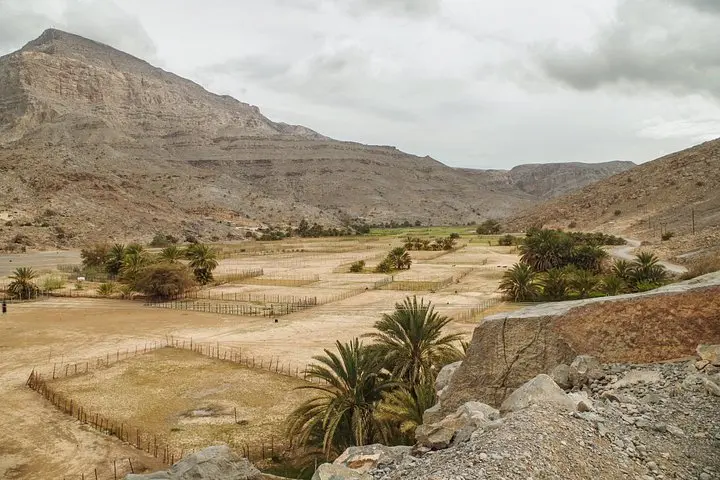
Musandam’s mountains are the exposed edge of the Hajar range—layers of fossil-bearing limestone and shale lifted by tectonic force and sculpted by wind. Bedouin settlements like Sayhe sit on high plateaus, their terraces and stone pens reminders of a pastoral life keyed to sparse rain and seasonal grazing. From Khor Najd the massif yields a sudden panorama where cliffs plunge toward the Indian Ocean and acacia pockets mark spring blooms.
Practically, this is a half-day 4x4 experience: expect bumpy, unpaved tracks, short walks at viewpoints, and stops for photos and short exploration of village plateaus. The route reaches roughly 2,087 meters at Jebel Harim—bring layers for wind and cooler temperatures, sun protection for exposed sections, and plenty of water. Vehicles provide soft drinks, but carry your own supply if you’re prone to dehydration.
Timing your visit for morning or late afternoon avoids midday heat and increases chances for dramatic light. Respect private property and local customs in Sayhe, avoid removing fossils, and follow the driver’s guidance on where to step. For a compact, high-altitude taste of Oman’s geology and Bedouin culture, this 4x4 safari delivers scenery, context, and straightforward logistics in a half-day package.
This is a 3-hour tour offered in morning (9:30–12:30) and afternoon (13:30–16:30) departures.
Children can join but the ride is bumpy; the operator notes it’s not recommended for travelers with serious back or heart conditions or for pregnant guests.
Yes—several short stops at viewpoints, the Sayhe plateau and Khor Najd allow brief walks and photography; expect uneven terrain.
Fossils are visible in exposed limestone but collecting is prohibited; please admire in place and follow guide instructions.
Dolphin Khasab Tours operates guided outdoor trips and adventures with an emphasis on safety, stewardship, and memorable experiences.
The convoy grinds up a gravel ribbon carved into the Musandam spine, dust lifting like a dry promise as the sea shrinks behind. Windows frame steep, ribbed slopes and pale strata where ancient seas left shells and fossils embedded in the rock; the road climbs toward Jebel Harim and the air thins with a cold, mineral clarity that makes the horizon feel close enough to touch.
The convoy grinds up a gravel ribbon carved into the Musandam spine, dust lifting like a dry promise as the sea shrinks behind. Windows frame steep, ribbed slopes and pale strata where ancient seas left shells and fossils embedded in the rock; the road climbs toward Jebel Harim and the air thins with a cold, mineral clarity that makes the horizon feel close enough to touch.
Musandam’s mountains are the exposed edge of the Hajar range—layers of fossil-bearing limestone and shale lifted by tectonic force and sculpted by wind. Bedouin settlements like Sayhe sit on high plateaus, their terraces and stone pens reminders of a pastoral life keyed to sparse rain and seasonal grazing. From Khor Najd the massif yields a sudden panorama where cliffs plunge toward the Indian Ocean and acacia pockets mark spring blooms.
Practically, this is a half-day 4x4 experience: expect bumpy, unpaved tracks, short walks at viewpoints, and stops for photos and short exploration of village plateaus. The route reaches roughly 2,087 meters at Jebel Harim—bring layers for wind and cooler temperatures, sun protection for exposed sections, and plenty of water. Vehicles provide soft drinks, but carry your own supply if you’re prone to dehydration.
Timing your visit for morning or late afternoon avoids midday heat and increases chances for dramatic light. Respect private property and local customs in Sayhe, avoid removing fossils, and follow the driver’s guidance on where to step. For a compact, high-altitude taste of Oman’s geology and Bedouin culture, this 4x4 safari delivers scenery, context, and straightforward logistics in a half-day package.