THE ADVENTURE COLLECTIVE® · Independent discovery and booking for outdoor travel

Spend a full day tracing Punjab’s geological and cultural highlights: descend into Khewra’s pink salt caverns, breathe the lake air at Kallar Kahar, and visit the ancient ponds and temples of Katas Raj. Practical, compact, and rich in contrast.
Spend a full day tracing Punjab’s geological and cultural highlights: descend into Khewra’s pink salt caverns, breathe the lake air at Kallar Kahar, and visit the ancient ponds and temples of Katas Raj. Practical, compact, and rich in contrast.
You step out of Islamabad’s morning haze onto the highway and the plains open into a different Punjab: low ridges, olive groves, and sudden salt-scarred slopes that glitter like a quiet promise. The first descent is into Khewra Salt Mine, where a narrow tourist train carries you into caverns cut through living rock. Light bounces off pink salt walls and the air tastes faintly mineral; the mine’s veins push history forward—Alexander’s horsemen passed here centuries ago, and miners still extract the crystalline blocks that define the region.
Verified experiences and guided adventures in the surrounding area.
Operated by Trips Planners · Khewra, Punjab
You step out of Islamabad’s morning haze onto the highway and the plains open into a different Punjab: low ridges, olive groves, and sudden salt-scarred slopes that glitter like a quiet promise. The first descent is into Khewra Salt Mine, where a narrow tourist train carries you into caverns cut through living rock. Light bounces off pink salt walls and the air tastes faintly mineral; the mine’s veins push history forward—Alexander’s horsemen passed here centuries ago, and miners still extract the crystalline blocks that define the region.
From there the road eases into Kallar Kahar, a green dip with a reflective saline lake that dares you to pause. Boating here is short and soft-edged: wind on your face, pebbled shore and scrub that shelters migratory birds. The final stretch brings Katas Raj Temple, an ancient complex built around a sacred pond whose water is tied to regional legends and the pre-Islamic cultural map of Punjab.
This is a day of contrasts—underground tunnels and open water, industrial geology and layered religious history. Expect stairways, short walks, and dusty paths; the sites are walkable but involve steps and uneven surfaces. Practical planning pays off: start early to avoid midday heat, carry water and sun protection, and wear supportive shoes for mine stairs and temple grounds. Local guides provide historical context and handle entrance logistics, and many operators include lunch and hotel pickup from Islamabad. With a measured pace, the loop is both accessible and richly textured—a compact cross-section of Punjab’s landscape and past.
Most operator packages include entrance tickets for Khewra Salt Mine and Katas Raj; confirm at booking and carry ID for ticket processing.
Infants must sit on an adult’s lap; older children can enjoy the sites but supervise them on mine stairways and near the temple pond.
Typical visits are 1–2 hours in Khewra, 45–90 minutes at Kallar Kahar, and 45–60 minutes at Katas Raj—timing varies by group and traffic.
Sites involve stairs, uneven terrain, and limited wheelchair access; travelers with back or cardiovascular issues should consult the operator beforehand.
Trips Planners operates guided outdoor trips and adventures with an emphasis on safety, stewardship, and memorable experiences.
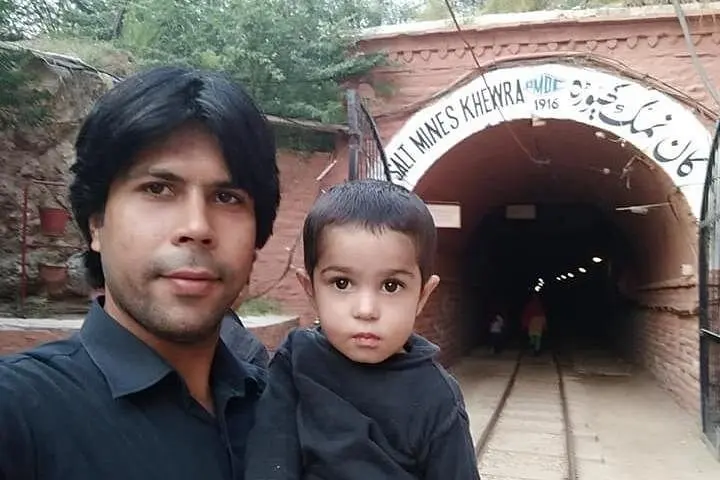
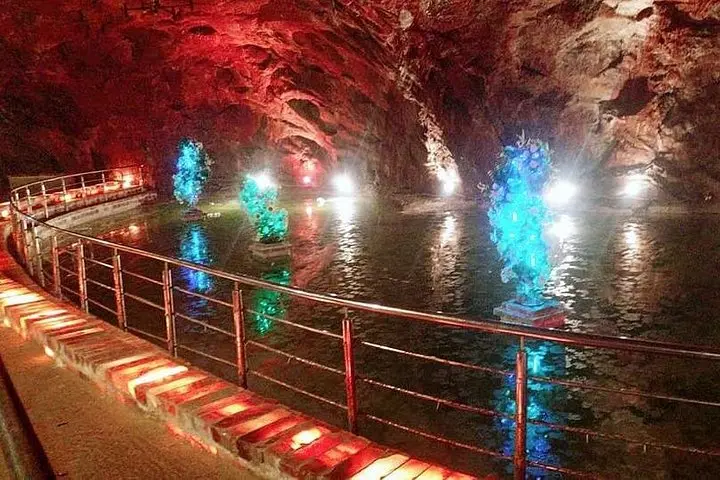
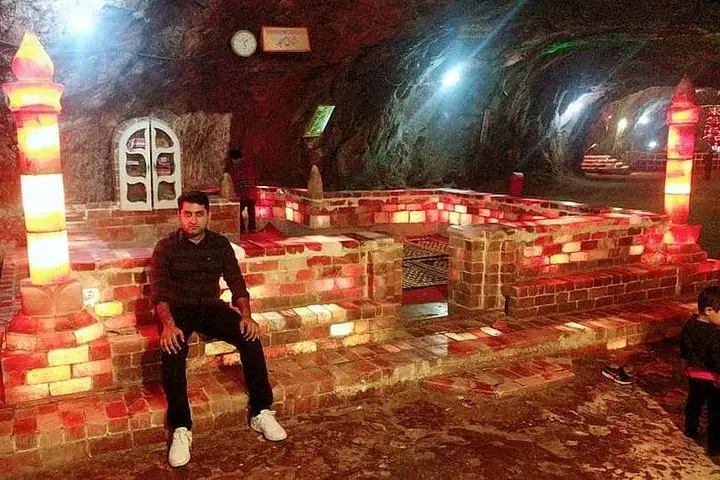
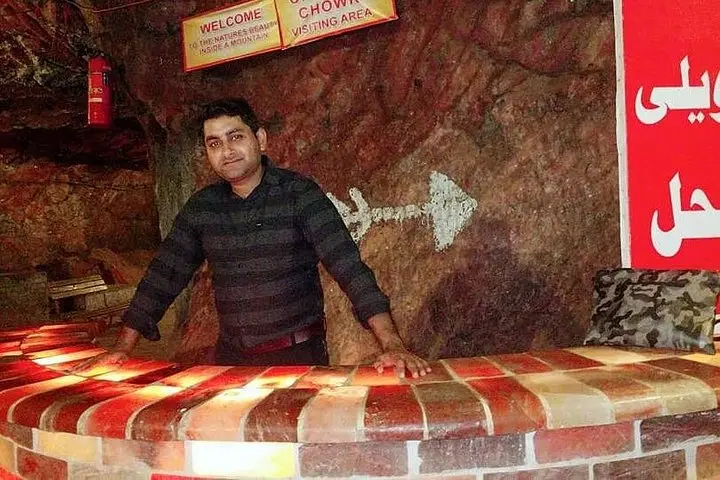
You step out of Islamabad’s morning haze onto the highway and the plains open into a different Punjab: low ridges, olive groves, and sudden salt-scarred slopes that glitter like a quiet promise. The first descent is into Khewra Salt Mine, where a narrow tourist train carries you into caverns cut through living rock. Light bounces off pink salt walls and the air tastes faintly mineral; the mine’s veins push history forward—Alexander’s horsemen passed here centuries ago, and miners still extract the crystalline blocks that define the region.
You step out of Islamabad’s morning haze onto the highway and the plains open into a different Punjab: low ridges, olive groves, and sudden salt-scarred slopes that glitter like a quiet promise. The first descent is into Khewra Salt Mine, where a narrow tourist train carries you into caverns cut through living rock. Light bounces off pink salt walls and the air tastes faintly mineral; the mine’s veins push history forward—Alexander’s horsemen passed here centuries ago, and miners still extract the crystalline blocks that define the region.
From there the road eases into Kallar Kahar, a green dip with a reflective saline lake that dares you to pause. Boating here is short and soft-edged: wind on your face, pebbled shore and scrub that shelters migratory birds. The final stretch brings Katas Raj Temple, an ancient complex built around a sacred pond whose water is tied to regional legends and the pre-Islamic cultural map of Punjab.
This is a day of contrasts—underground tunnels and open water, industrial geology and layered religious history. Expect stairways, short walks, and dusty paths; the sites are walkable but involve steps and uneven surfaces. Practical planning pays off: start early to avoid midday heat, carry water and sun protection, and wear supportive shoes for mine stairs and temple grounds. Local guides provide historical context and handle entrance logistics, and many operators include lunch and hotel pickup from Islamabad. With a measured pace, the loop is both accessible and richly textured—a compact cross-section of Punjab’s landscape and past.