THE ADVENTURE COLLECTIVE® · Independent discovery and booking for outdoor travel

Travel from Lahore to walk through the cool, lamp-lit chambers of Khewra Salt Mine and pause at the sacred waters and stone platforms of Katas Raj Temple. This full-day guided route mixes deep-time geology, regional history, and cultural significance with easy walking and local food.
Travel from Lahore to walk through the cool, lamp-lit chambers of Khewra Salt Mine and pause at the sacred waters and stone platforms of Katas Raj Temple. This full-day guided route mixes deep-time geology, regional history, and cultural significance with easy walking and local food.
The tour begins before dawn on the road from Lahore, the highway ribboning through Punjab fields as light lifts off the plains. By mid-morning you stand at the yawning mouth of the Khewra Salt Mine; the tunnel breathes cool air that smells faintly of minerals and time. Lamps carve the salt walls into bands of pink and white, and steps spiral toward caverns where miners have worked for generations.
Verified experiences and guided adventures in the surrounding area.
Operated by TOUR VISION TRAVEL · Khewra, Punjab
The tour begins before dawn on the road from Lahore, the highway ribboning through Punjab fields as light lifts off the plains. By mid-morning you stand at the yawning mouth of the Khewra Salt Mine; the tunnel breathes cool air that smells faintly of minerals and time. Lamps carve the salt walls into bands of pink and white, and steps spiral toward caverns where miners have worked for generations.
Geology here is plain and ancient: the Himalayan salt range is marine in origin, compressed over millennia into the massive deposit that made Khewra one of the world’s largest salt mines. Nearby Katas Raj Temple sits on a different history — a Hindu pilgrimage complex centered on the sacred Katas pond, its stone platforms and shrines layered with medieval inscriptions and local lore. Between them, Kallar Kahar’s rocky outcrops and Takht-e-Babri recall Mughal travellers who praised the cool air and views of scrub and terrace.
On the ground, expect guided walks through carved salt chambers, short stair climbs, and a chance to buy salt blocks or crafted souvenirs. The temple precinct involves modest walking on uneven stone and a respectful dress code. Practicalities are straightforward: sturdy shoes, a light jacket for the mine’s steady cool, and water for the longer transfers. Because visits include underground passages and steps, travelers with spinal, heart, or pregnancy concerns should defer. Aim to start early to avoid heat on the drive and to give ample time for both sites — the full day stretches to 13–14 hours with transport included.
This is a full-day private tour (about 13–14 hours) typically including private transport, bottled water, lunch, entrance fees, and a guide.
The mine has stairs and uneven surfaces; visitors with significant mobility issues, spinal problems, or pregnancy are not recommended to enter.
Yes—there are onsite shops selling raw salt blocks, lamps, and carved souvenirs; carry cash or a card depending on the vendor.
Katas Raj is a sacred Hindu site—dress modestly, remove shoes where requested, and follow any guidance from temple staff regarding photography and access.
TOUR VISION TRAVEL operates guided outdoor trips and adventures with an emphasis on safety, stewardship, and memorable experiences.
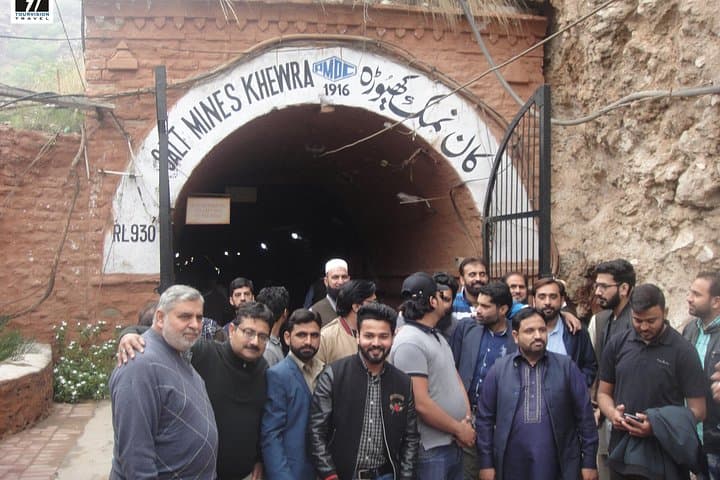


The tour begins before dawn on the road from Lahore, the highway ribboning through Punjab fields as light lifts off the plains. By mid-morning you stand at the yawning mouth of the Khewra Salt Mine; the tunnel breathes cool air that smells faintly of minerals and time. Lamps carve the salt walls into bands of pink and white, and steps spiral toward caverns where miners have worked for generations.
The tour begins before dawn on the road from Lahore, the highway ribboning through Punjab fields as light lifts off the plains. By mid-morning you stand at the yawning mouth of the Khewra Salt Mine; the tunnel breathes cool air that smells faintly of minerals and time. Lamps carve the salt walls into bands of pink and white, and steps spiral toward caverns where miners have worked for generations.
Geology here is plain and ancient: the Himalayan salt range is marine in origin, compressed over millennia into the massive deposit that made Khewra one of the world’s largest salt mines. Nearby Katas Raj Temple sits on a different history — a Hindu pilgrimage complex centered on the sacred Katas pond, its stone platforms and shrines layered with medieval inscriptions and local lore. Between them, Kallar Kahar’s rocky outcrops and Takht-e-Babri recall Mughal travellers who praised the cool air and views of scrub and terrace.
On the ground, expect guided walks through carved salt chambers, short stair climbs, and a chance to buy salt blocks or crafted souvenirs. The temple precinct involves modest walking on uneven stone and a respectful dress code. Practicalities are straightforward: sturdy shoes, a light jacket for the mine’s steady cool, and water for the longer transfers. Because visits include underground passages and steps, travelers with spinal, heart, or pregnancy concerns should defer. Aim to start early to avoid heat on the drive and to give ample time for both sites — the full day stretches to 13–14 hours with transport included.