THE ADVENTURE COLLECTIVE® · Independent discovery and booking for outdoor travel

A full-day circuit that skirts Kathmandu’s eastern rim, the Khopasi–Balthali loop mixes terraced fields, suspension bridges and Newari village life with sudden Himalayan views. Read on for what to expect and how to prepare.
A full-day circuit that skirts Kathmandu’s eastern rim, the Khopasi–Balthali loop mixes terraced fields, suspension bridges and Newari village life with sudden Himalayan views. Read on for what to expect and how to prepare.
You kick off before dawn from the edge of Kathmandu, the valley’s hum falling away as footpaths climb through terraced fields. The trail shifts between packed dirt and narrow stone steps; farmers’ homes slide past in compact Newari clusters and the occasional suspension bridge sways over a green-cut ravine. When the air clears you get a line of snowy peaks to the north, a sudden, bright punctuation against the ridge.
Verified experiences and guided adventures in the surrounding area.
Operated by Osho world Adventure · Kathmandu, Bagmati Province
You kick off before dawn from the edge of Kathmandu, the valley’s hum falling away as footpaths climb through terraced fields. The trail shifts between packed dirt and narrow stone steps; farmers’ homes slide past in compact Newari clusters and the occasional suspension bridge sways over a green-cut ravine. When the air clears you get a line of snowy peaks to the north, a sudden, bright punctuation against the ridge.
This loop threads the eastern rim of the Kathmandu Valley where centuries of terrace farming and Newar culture shape both the landscape and the route. The geology here is compact foothill—rolling ridgelines of the Mahabharat Range—so expect short, firm climbs and broad views rather than high alpine exposure. Balthali village along the way keeps older rhythms: wooden windows, small shrines and the Ladkeshwor Mahadev temple serving local pilgrims. The trail’s suspension bridges, built for daily travel, also create good photo vantage points and natural rest breaks.
Practical edge: plan for a full day on varied terrain — narrow singletrack, stone staircases and agricultural tracks — with roughly 8–14 km of walking and several hundred metres of cumulative gain depending on route variations. Carry at least 2 liters of water, layered clothing, sturdy boots and cash for a village lunch or tea. Mid-morning to late afternoon is the ideal window for clearer mountain views; avoid the Monsoon spine of July–August for muddier conditions. Local guides and simple private transport are common for door-to-door pickups from Kathmandu; they also help interpret cultural stops and negotiate the steeper stone sections safely.
Yes—it's commonly run as a guided day hike and suitable for hikers with basic fitness; expect uneven terrain and some sustained climbs so take it at your own pace.
Most operators include private pickup from central Kathmandu hotels; public transport exists but takes longer and requires connections to local trailheads.
Autumn (September–November) and spring (March–May) offer the clearest mountain views and stable weather; avoid the monsoon peak for muddy trails.
Balthali and a few villages have small tea houses with simple meals and basic toilets, but carry snacks and toilet paper just in case.
Osho world Adventure operates guided outdoor trips and adventures with an emphasis on safety, stewardship, and memorable experiences.
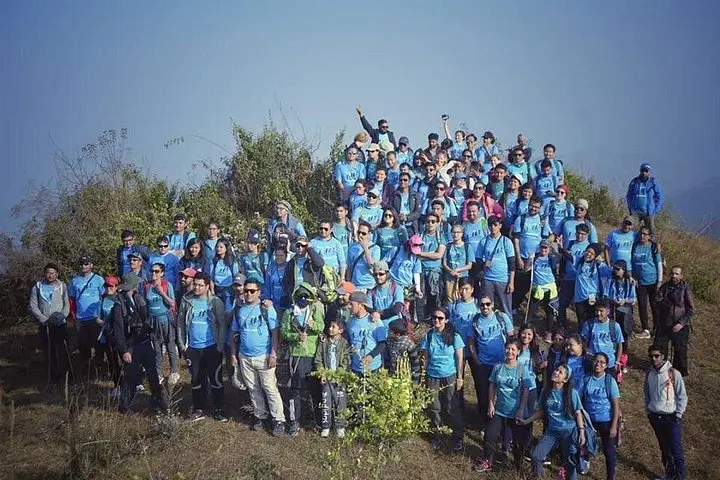
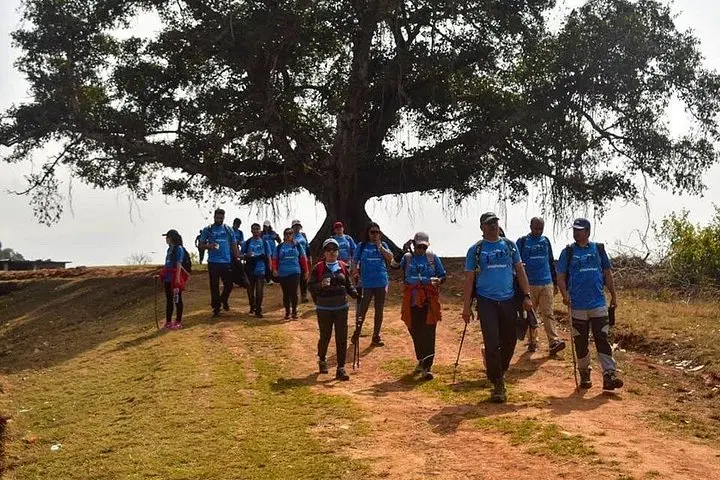
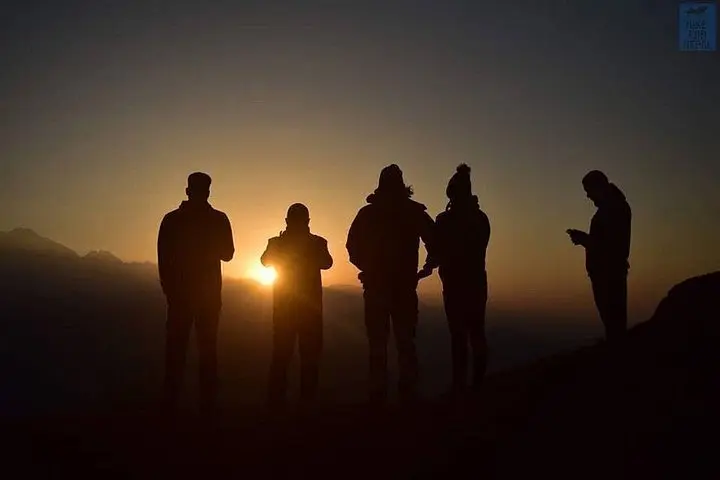
You kick off before dawn from the edge of Kathmandu, the valley’s hum falling away as footpaths climb through terraced fields. The trail shifts between packed dirt and narrow stone steps; farmers’ homes slide past in compact Newari clusters and the occasional suspension bridge sways over a green-cut ravine. When the air clears you get a line of snowy peaks to the north, a sudden, bright punctuation against the ridge.
You kick off before dawn from the edge of Kathmandu, the valley’s hum falling away as footpaths climb through terraced fields. The trail shifts between packed dirt and narrow stone steps; farmers’ homes slide past in compact Newari clusters and the occasional suspension bridge sways over a green-cut ravine. When the air clears you get a line of snowy peaks to the north, a sudden, bright punctuation against the ridge.
This loop threads the eastern rim of the Kathmandu Valley where centuries of terrace farming and Newar culture shape both the landscape and the route. The geology here is compact foothill—rolling ridgelines of the Mahabharat Range—so expect short, firm climbs and broad views rather than high alpine exposure. Balthali village along the way keeps older rhythms: wooden windows, small shrines and the Ladkeshwor Mahadev temple serving local pilgrims. The trail’s suspension bridges, built for daily travel, also create good photo vantage points and natural rest breaks.
Practical edge: plan for a full day on varied terrain — narrow singletrack, stone staircases and agricultural tracks — with roughly 8–14 km of walking and several hundred metres of cumulative gain depending on route variations. Carry at least 2 liters of water, layered clothing, sturdy boots and cash for a village lunch or tea. Mid-morning to late afternoon is the ideal window for clearer mountain views; avoid the Monsoon spine of July–August for muddier conditions. Local guides and simple private transport are common for door-to-door pickups from Kathmandu; they also help interpret cultural stops and negotiate the steeper stone sections safely.