THE ADVENTURE COLLECTIVE® · Independent discovery and booking for outdoor travel

Swap the busy Annapurna trails for Khopra Ridge’s broad panoramas and community-run teahouses. This 13-day trek serves mountain views, a sacred alpine lake, and close-up Gurung village culture.
Swap the busy Annapurna trails for Khopra Ridge’s broad panoramas and community-run teahouses. This 13-day trek serves mountain views, a sacred alpine lake, and close-up Gurung village culture.
Morning light strips across scree and rhododendron as you crest Khopra Ridge, the Kali Gandaki valley yawning far below and a row of Himalayan giants—Dhaulagiri, Annapurna South, Nilgiri—staring back. The air is thin and clear; prayer flags snap in the wind like a map of recent footsteps. This is a trek that trades crowded switchbacks for long vistas and village life.
Verified experiences and guided adventures in the surrounding area.
Operated by Alpine Club of Himalaya · Pokhara, Gandaki Province
Morning light strips across scree and rhododendron as you crest Khopra Ridge, the Kali Gandaki valley yawning far below and a row of Himalayan giants—Dhaulagiri, Annapurna South, Nilgiri—staring back. The air is thin and clear; prayer flags snap in the wind like a map of recent footsteps. This is a trek that trades crowded switchbacks for long vistas and village life.
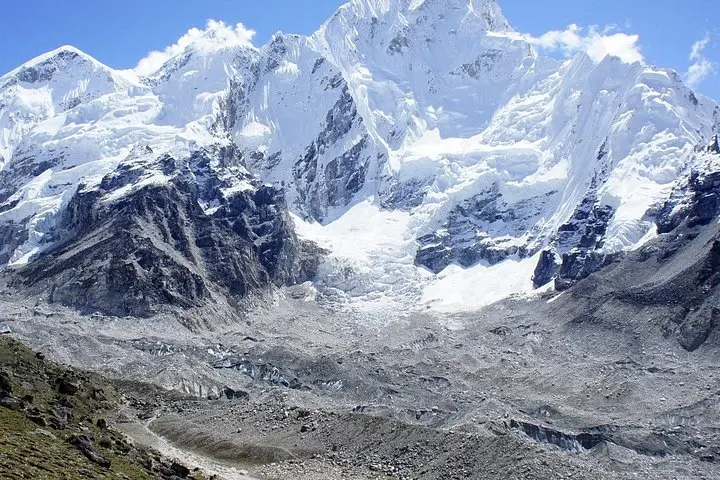
The route leaves the main Annapurna circuit after Tadapani and follows lesser-used trails to Khopra and Kaire Lake. Geologically, you move from subtropical hill forest into alpine pastures and moraine-scoured ridgelines carved by ancient glaciers. Culturally, villages like Ghandruk and Swanta are living pages of Gurung heritage—homes where traditional songs, Gurkha history, and terraced agriculture shape daily life. The Annapurna Conservation Area Project (ACAP) has supported community lodges that make this remote itinerary possible.
Expect steady ascents to 3,660 m at Khopra, an optional 4,500 m day to sacred Kaire Lake, and long downhill stretches to Pokhara. Trails vary from compacted dirt and stone steps to grassy alpine meadows; boots should handle mud, scree and occasional snow. Plan for 4–6 hours on most walking days, and a 10–11 hour summit day if you do Kaire Lake return.
Practical guidance: prioritize acclimatization, carry layered insulation and water treatment, and respect teahouse etiquette—support local guides and porters by packing light. Start very early for sunrise viewpoints, eat well, and monitor altitude symptoms. Khopra rewards patience: the mountains give their panoramas to those who rise with them and walk steadily through the quiet.
Yes—trekkers require ACAP permits and TIMS, which are normally arranged by operators and included in organized packages.
The round trip to Kaire Lake is a long alpine day (10–11 hours) with steep sections and high elevation—suitable for acclimatized, fit trekkers.
Teahouses on this route are basic community lodges offering simple meals and dorm-style rooms; expect communal bathrooms and limited hot water at higher elevations.
Report symptoms to your guide immediately; standard response includes rest, descent, oxygen if available, and seeking medical evacuation for severe cases.
Alpine Club of Himalaya operates guided outdoor trips and adventures with an emphasis on safety, stewardship, and memorable experiences.
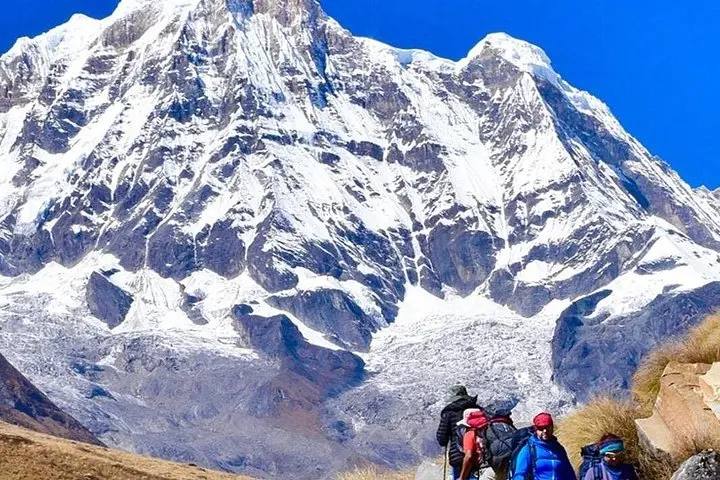
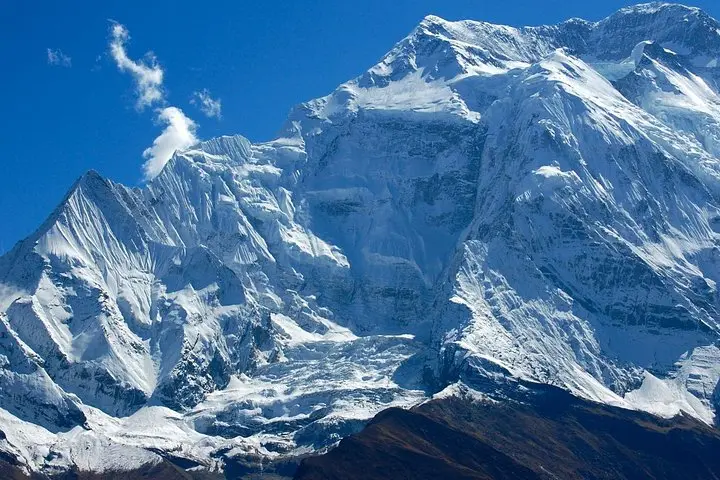
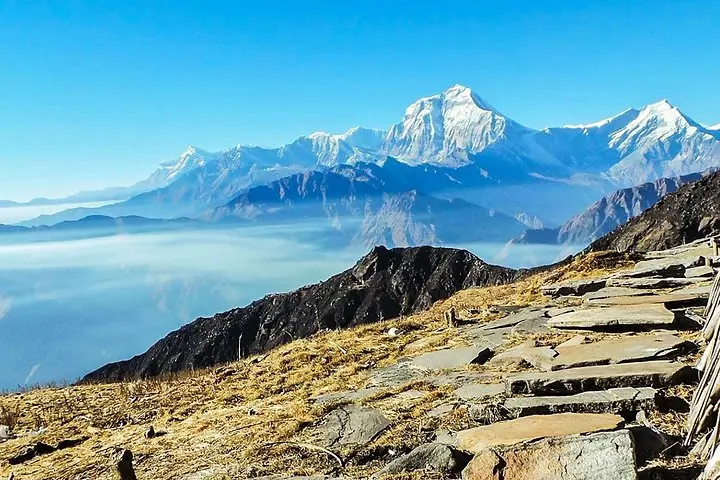
Morning light strips across scree and rhododendron as you crest Khopra Ridge, the Kali Gandaki valley yawning far below and a row of Himalayan giants—Dhaulagiri, Annapurna South, Nilgiri—staring back. The air is thin and clear; prayer flags snap in the wind like a map of recent footsteps. This is a trek that trades crowded switchbacks for long vistas and village life.
Morning light strips across scree and rhododendron as you crest Khopra Ridge, the Kali Gandaki valley yawning far below and a row of Himalayan giants—Dhaulagiri, Annapurna South, Nilgiri—staring back. The air is thin and clear; prayer flags snap in the wind like a map of recent footsteps. This is a trek that trades crowded switchbacks for long vistas and village life.
The route leaves the main Annapurna circuit after Tadapani and follows lesser-used trails to Khopra and Kaire Lake. Geologically, you move from subtropical hill forest into alpine pastures and moraine-scoured ridgelines carved by ancient glaciers. Culturally, villages like Ghandruk and Swanta are living pages of Gurung heritage—homes where traditional songs, Gurkha history, and terraced agriculture shape daily life. The Annapurna Conservation Area Project (ACAP) has supported community lodges that make this remote itinerary possible.
Expect steady ascents to 3,660 m at Khopra, an optional 4,500 m day to sacred Kaire Lake, and long downhill stretches to Pokhara. Trails vary from compacted dirt and stone steps to grassy alpine meadows; boots should handle mud, scree and occasional snow. Plan for 4–6 hours on most walking days, and a 10–11 hour summit day if you do Kaire Lake return.
Practical guidance: prioritize acclimatization, carry layered insulation and water treatment, and respect teahouse etiquette—support local guides and porters by packing light. Start very early for sunrise viewpoints, eat well, and monitor altitude symptoms. Khopra rewards patience: the mountains give their panoramas to those who rise with them and walk steadily through the quiet.