THE ADVENTURE COLLECTIVE® · Independent discovery and booking for outdoor travel

Follow high ridgelines and Gurung villages on the 14-day Khopra Ridge Trek, a sweeping Annapurna trek that culminates in panoramic views of Annapurna and Dhaulagiri. This guide covers what to expect on trail, cultural context, and practical tips for planning and safety.
Follow high ridgelines and Gurung villages on the 14-day Khopra Ridge Trek, a sweeping Annapurna trek that culminates in panoramic views of Annapurna and Dhaulagiri. This guide covers what to expect on trail, cultural context, and practical tips for planning and safety.
Morning light slices across a thin band of cloud as you step out onto Khopra Danda — a wind-scoured ridge that opens like a page to the Annapurna massif. The trail rises and recedes through oak and rhododendron, and every ridge turn offers a different angle on Annapurna South, Hiunchuli and the distant Dhaulagiri. The air here feels purposeful; winds press against you, snowfields hold their line, and the ridge dares you to keep moving.
Verified experiences and guided adventures in the surrounding area.
Operated by Alpine Luxury Treks Pvt Ltd · Pokhara, Gandaki Province
Morning light slices across a thin band of cloud as you step out onto Khopra Danda — a wind-scoured ridge that opens like a page to the Annapurna massif. The trail rises and recedes through oak and rhododendron, and every ridge turn offers a different angle on Annapurna South, Hiunchuli and the distant Dhaulagiri. The air here feels purposeful; winds press against you, snowfields hold their line, and the ridge dares you to keep moving.
The Khopra Ridge sits inside the Annapurna Conservation Area, an old network of shepherding routes and Gurung villages that linked market towns and seasonal pastures. Geologically the ridge is the exposed flank of the Lesser Himalaya — folded metamorphic rock uplifted by tectonic collision — which gives way to steep terraces and grassy kharkas used for summer grazing.
Gurung hospitality is a through-line of the trek: teahouses hum with wood smoke, and villagers maintain terraced fields and chhortens. Expect simple lodgings, local dal-bhat meals, and strong tea between long hill sections.
Practically: this is a 12–14 day trek that tops out near 3,660 m; altitude and sustained climbs make it physically demanding. Walk light, acclimatize with rest days, and plan morning starts to reduce exposure to afternoon weather. Footwear with good grip, layered insulation, trekking poles and a reliable map or guide will make ridge traverses and steep descents safer. Water treatment, sunscreen, and a plan for altitude symptoms are essential. When the ridge clears at sunrise, the mountains don’t feel distant — they feel like a next step.
Most treks start from Nayapul after a drive from Pokhara; buses or private transfer to Nayapul put you at the trail access point for Ghandruk and Khopra routes.
Yes — you need an Annapurna Conservation Area Permit (ACAP) and a TIMS card for trekking in the Annapurna region; these are obtained in Kathmandu or Pokhara.
Teahouses provide basic twin rooms or dorms with shared bathrooms and evening dining; expect simple bedding, hot meals, and limited electricity.
Yes — the itinerary reaches around 3,660 m; monitor symptoms, hydrate, and allow time to acclimatize; descend if severe symptoms appear.
Alpine Luxury Treks Pvt Ltd operates guided outdoor trips and adventures with an emphasis on safety, stewardship, and memorable experiences.
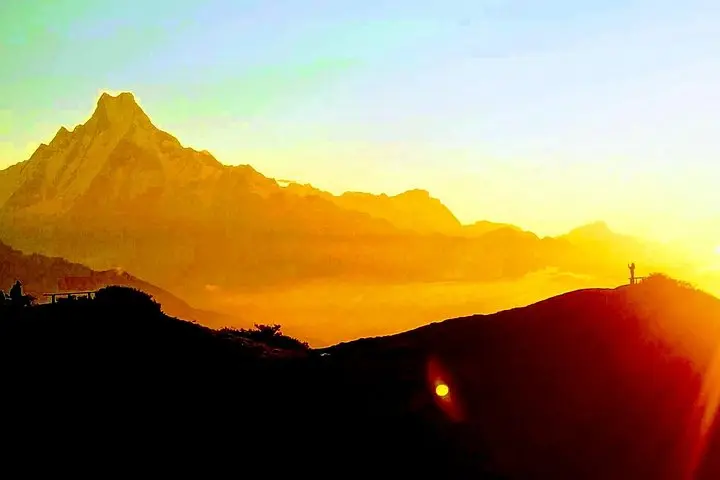
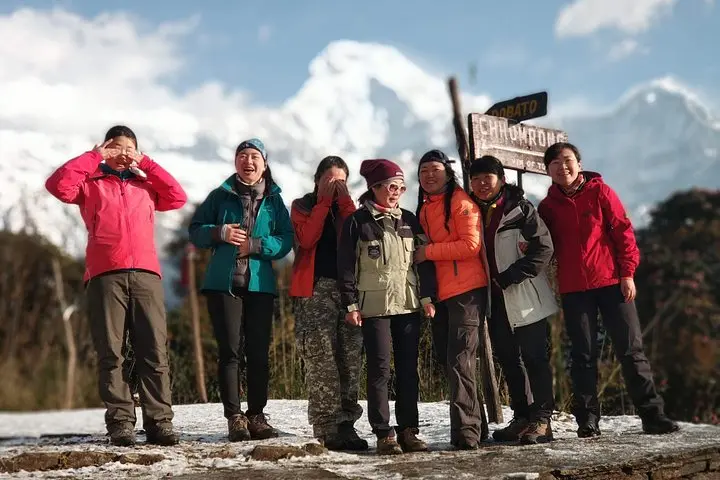
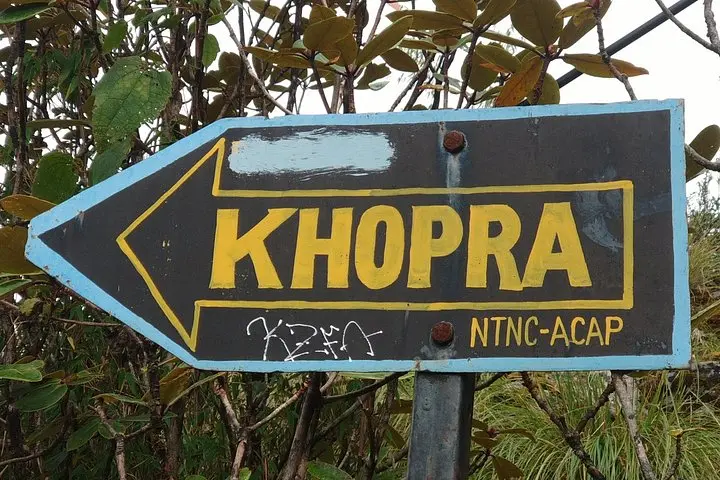
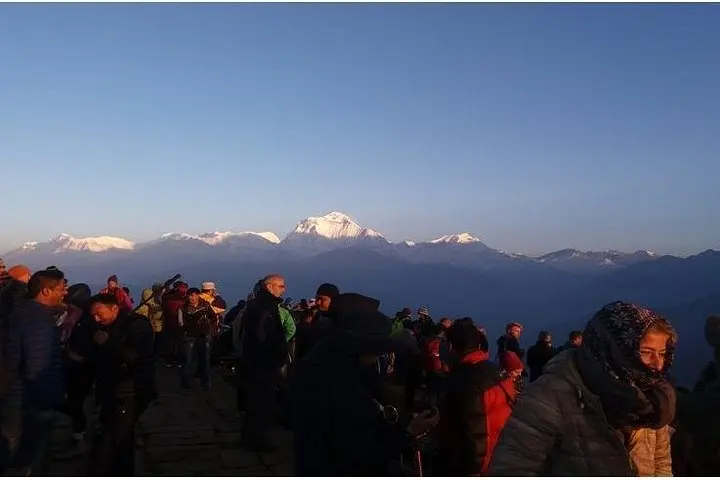
Morning light slices across a thin band of cloud as you step out onto Khopra Danda — a wind-scoured ridge that opens like a page to the Annapurna massif. The trail rises and recedes through oak and rhododendron, and every ridge turn offers a different angle on Annapurna South, Hiunchuli and the distant Dhaulagiri. The air here feels purposeful; winds press against you, snowfields hold their line, and the ridge dares you to keep moving.
Morning light slices across a thin band of cloud as you step out onto Khopra Danda — a wind-scoured ridge that opens like a page to the Annapurna massif. The trail rises and recedes through oak and rhododendron, and every ridge turn offers a different angle on Annapurna South, Hiunchuli and the distant Dhaulagiri. The air here feels purposeful; winds press against you, snowfields hold their line, and the ridge dares you to keep moving.
The Khopra Ridge sits inside the Annapurna Conservation Area, an old network of shepherding routes and Gurung villages that linked market towns and seasonal pastures. Geologically the ridge is the exposed flank of the Lesser Himalaya — folded metamorphic rock uplifted by tectonic collision — which gives way to steep terraces and grassy kharkas used for summer grazing.
Gurung hospitality is a through-line of the trek: teahouses hum with wood smoke, and villagers maintain terraced fields and chhortens. Expect simple lodgings, local dal-bhat meals, and strong tea between long hill sections.
Practically: this is a 12–14 day trek that tops out near 3,660 m; altitude and sustained climbs make it physically demanding. Walk light, acclimatize with rest days, and plan morning starts to reduce exposure to afternoon weather. Footwear with good grip, layered insulation, trekking poles and a reliable map or guide will make ridge traverses and steep descents safer. Water treatment, sunscreen, and a plan for altitude symptoms are essential. When the ridge clears at sunrise, the mountains don’t feel distant — they feel like a next step.