THE ADVENTURE COLLECTIVE® · Independent discovery and booking for outdoor travel

A compact 3-day trek from Pokhara that climbs to Korchan Danda (≈3,700 m) for a Himalayan sunrise. Expect forested trails, tea-house nights and big views of Machapuchare, Annapurna and Dhaulagiri.
A compact 3-day trek from Pokhara that climbs to Korchan Danda (≈3,700 m) for a Himalayan sunrise. Expect forested trails, tea-house nights and big views of Machapuchare, Annapurna and Dhaulagiri.
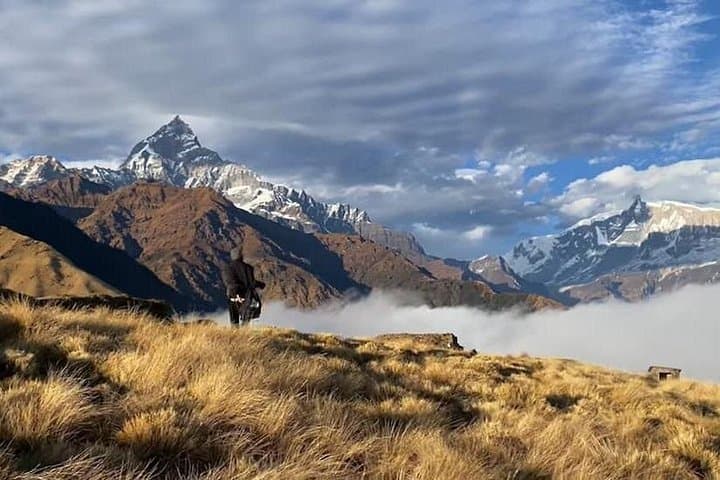
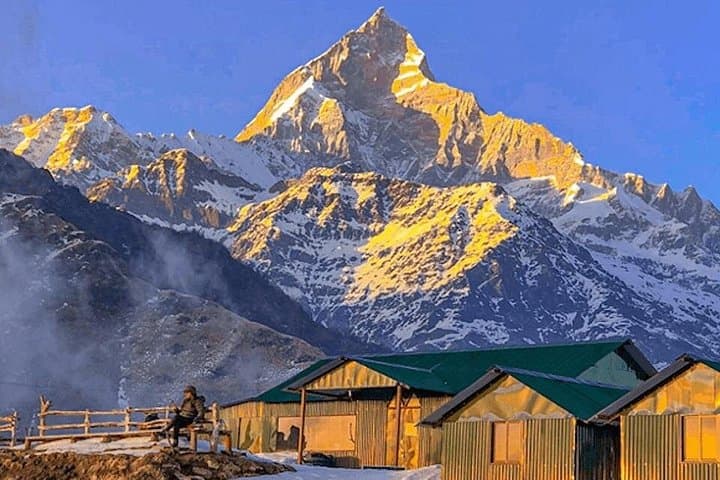
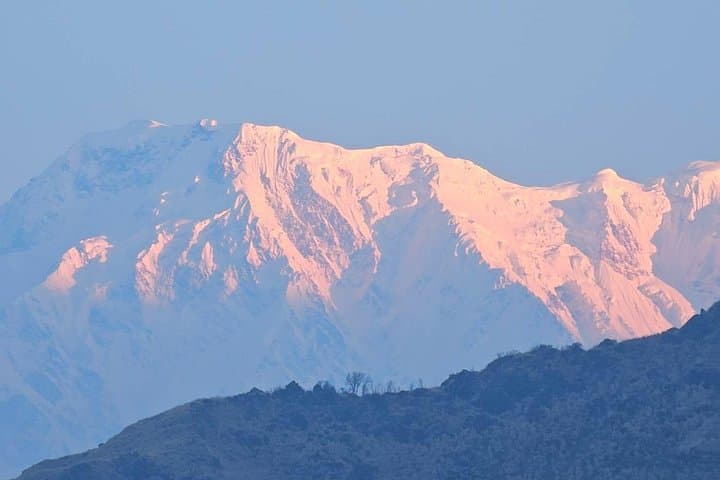
You wake before dawn on Korchan Danda, the cold pinching at your ears as a thin line of light slices the ridgeline and the Annapurna massif slowly takes shape—Machapuchare’s peak first, then Annapurna and Dhaulagiri spilling gold across snow. The summit at about 3,700 m rewards a small, steady crowd with an unobstructed Himalayan sunrise and a sense of altitude-earned quiet.
Verified experiences and guided adventures in the surrounding area.
Operated by CAN Travels · Pokhara, Gandaki Province
You wake before dawn on Korchan Danda, the cold pinching at your ears as a thin line of light slices the ridgeline and the Annapurna massif slowly takes shape—Machapuchare’s peak first, then Annapurna and Dhaulagiri spilling gold across snow. The summit at about 3,700 m rewards a small, steady crowd with an unobstructed Himalayan sunrise and a sense of altitude-earned quiet.
The three-day loop out of Pokhara threads village lanes, terraced fields and mixed oak-rhododendron forest. Geologically this is the outer Annapurna foothills—folded sedimentary slopes uplifted by the ongoing collision of the Indian and Eurasian plates—so expect steep, stepped trails and stony outcrops where the trail breaks out above the tree line.
Local Gurung and Magar communities shaped these paths; tea houses along the route are simple family-run stops where dal bhat and hot tea meet tired legs. The trek mixes cultural exchange with raw mountain scenery: Ghachowk offers close-range views of Macchapuchare while higher camps reveal wide, wind-swept panoramas.
Practically: plan three days with 5–7 hours of walking per day. Day one climbs from Hemja to Hile Kharka (≈2,160 m), day two to Khumai Danda (≈3,245 m) through narrow, grassy ridges, and day three gains Korchan Danda (≈3,700 m) before descending to Ghachowk and returning to Pokhara.
Pack warm layers for pre-dawn and exposed ridge sections, bring water purification and a basic first-aid kit, and allow time to move deliberately on narrow, sometimes slippery trail surfaces. Guides and tea-house stays make this a manageable, high-reward introduction to mid-altitude Himalayan trekking.
The route is classified moderate; guided tea-house support reduces logistic challenges but expect sustained climbs to 3,700 m and 5–7 hour walking days.
Yes—trekking permits and any local paperwork are handled as part of the tour package, but carry your passport copy while trekking.
Basic family-run tea houses with shared rooms and simple hot meals; bring a warm sleeping liner for comfort.
Pre- and post-monsoon (spring and autumn) offer the most stable weather and clear mountain views, while winter brings colder nights and summer monsoon increases trail wetness.
CAN Travels operates guided outdoor trips and adventures with an emphasis on safety, stewardship, and memorable experiences.

You wake before dawn on Korchan Danda, the cold pinching at your ears as a thin line of light slices the ridgeline and the Annapurna massif slowly takes shape—Machapuchare’s peak first, then Annapurna and Dhaulagiri spilling gold across snow. The summit at about 3,700 m rewards a small, steady crowd with an unobstructed Himalayan sunrise and a sense of altitude-earned quiet.
You wake before dawn on Korchan Danda, the cold pinching at your ears as a thin line of light slices the ridgeline and the Annapurna massif slowly takes shape—Machapuchare’s peak first, then Annapurna and Dhaulagiri spilling gold across snow. The summit at about 3,700 m rewards a small, steady crowd with an unobstructed Himalayan sunrise and a sense of altitude-earned quiet.
The three-day loop out of Pokhara threads village lanes, terraced fields and mixed oak-rhododendron forest. Geologically this is the outer Annapurna foothills—folded sedimentary slopes uplifted by the ongoing collision of the Indian and Eurasian plates—so expect steep, stepped trails and stony outcrops where the trail breaks out above the tree line.
Local Gurung and Magar communities shaped these paths; tea houses along the route are simple family-run stops where dal bhat and hot tea meet tired legs. The trek mixes cultural exchange with raw mountain scenery: Ghachowk offers close-range views of Macchapuchare while higher camps reveal wide, wind-swept panoramas.
Practically: plan three days with 5–7 hours of walking per day. Day one climbs from Hemja to Hile Kharka (≈2,160 m), day two to Khumai Danda (≈3,245 m) through narrow, grassy ridges, and day three gains Korchan Danda (≈3,700 m) before descending to Ghachowk and returning to Pokhara.
Pack warm layers for pre-dawn and exposed ridge sections, bring water purification and a basic first-aid kit, and allow time to move deliberately on narrow, sometimes slippery trail surfaces. Guides and tea-house stays make this a manageable, high-reward introduction to mid-altitude Himalayan trekking.