THE ADVENTURE COLLECTIVE® · Independent discovery and booking for outdoor travel

Leave Ulaanbaatar for a full-day private trip into Khustai National Park to track the rare Przewalski’s horse. This guided tour combines wildlife viewing, short hikes, a small museum visit and a picnic lunch—ideal for travelers wanting an efficient, wildlife-focused escape into Mongolian steppe.
Leave Ulaanbaatar for a full-day private trip into Khustai National Park to track the rare Przewalski’s horse. This guided tour combines wildlife viewing, short hikes, a small museum visit and a picnic lunch—ideal for travelers wanting an efficient, wildlife-focused escape into Mongolian steppe.
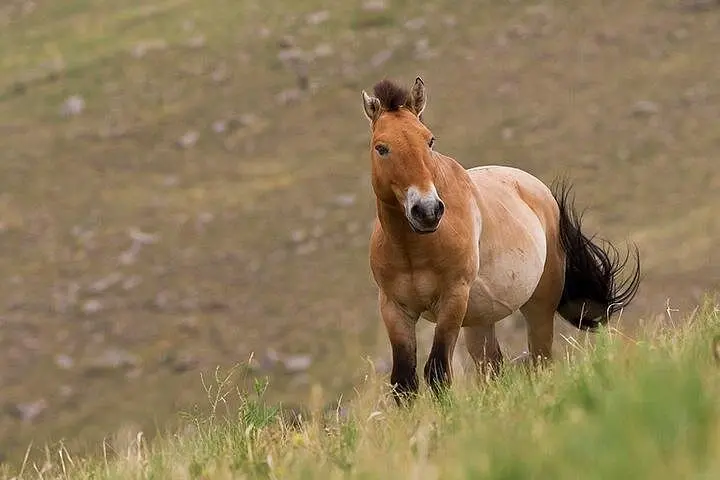
By the time the city’s concrete grid dissolves into a ribbon of steppe, the air tastes of grass and distance. Headlights pick out roadside gers, then pale humps of low ridges; after an hour the road eases into open country and the landscape takes on the scale that makes Mongolia feel like a movement rather than a place. Khustai’s grassland rolls away under an immense sky, and the first group of Przewalski’s horses—takhi—often appears as dark shapes against that light, watching you with the slow curiosity of animals that have learned how to live with people.
Verified experiences and guided adventures in the surrounding area.
Operated by Nomadic Tourism tour agency · Ulaanbaatar, Töv
By the time the city’s concrete grid dissolves into a ribbon of steppe, the air tastes of grass and distance. Headlights pick out roadside gers, then pale humps of low ridges; after an hour the road eases into open country and the landscape takes on the scale that makes Mongolia feel like a movement rather than a place. Khustai’s grassland rolls away under an immense sky, and the first group of Przewalski’s horses—takhi—often appears as dark shapes against that light, watching you with the slow curiosity of animals that have learned how to live with people.
Khustai National Park sits roughly 100 km southwest of Ulaanbaatar, its highest point reaching 1,842 m. The reserve protects more than open grass: over 10 freshwater rivers thread the valleys, 126 species of birds transit the skies, and some 450 plant species color the seasons. The park’s modern story is conservation-driven. From 1992 to 2001 international reintroduction brought takhi back from captive populations in Europe; now nearly 350 wild horses range here, a recovery that reshaped local land use and conservation in Mongolia.
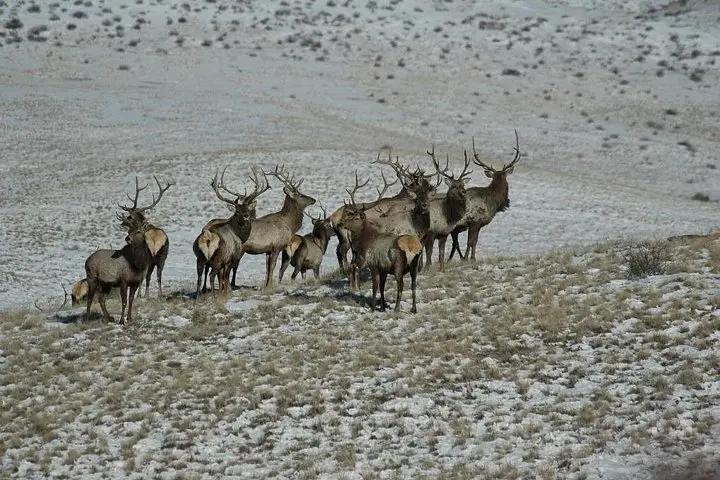
Geologically the park is steppe and low mountains—wind-sculpted dunes at Moltsog share space with grassy slopes where marmots whistle warnings and red deer move like slow weather systems. Cultural traces are visible too: nomadic herders use traditional patterns of grazing, and small archaeological finds hint at centuries of human movement across the same routes.
On this one-day private tour you’re driven into the heart of Khustai, stop at Moltsog Sand Dunes, climb a viewpoint where takhi congregate, and visit a compact museum focused on the species’ history. The day includes bottled water, a picnic or local-style lunch, national park fees, and hotel pickup and drop-off—planned as a roughly 9:00–18:00 excursion with about 220 km of driving round-trip.
Practicalities: roads are a mix of paved and gravel; expect dust and some washboard. Binoculars and a long lens reward patience; guides know likely takhi zones but sightings aren’t guaranteed—wildlife moves on its own timetable. Dress in layers for wind and sun, and bring sturdy shoes for short walks. Keep distance from animals, follow park rules, and store trash—this reserve’s recovery depends on visitor discipline.
The day is ideal for travelers who want a concentrated wildlife experience without camping: it balances the thrill of seeing rewilded takhi with accessible logistics and a guide who reads the landscape. If you want more time, consider booking a longer stay to hike, ride horses, or camp under the steppe’s broad night sky.
Expect roughly 1.5–2 hours each way depending on traffic and road conditions—about 220 km round-trip on the itinerary provided.
No—takhi are wild and move through large ranges; guides increase odds by visiting known zones but sightings depend on time of year and herd behavior.
Yes—infant seats are available, but bring appropriate clothing for children and supervise wildlife viewing closely.
Guides are typically English-speaking on advertised tours; confirm at booking if you need another language.
Vegetarian options are available—advise the operator at time of booking for other dietary restrictions.
The tour operates in all weather conditions; however, road quality can worsen—dress accordingly and check cancellation policies for severe conditions.
Nomadic Tourism tour agency operates guided outdoor trips and adventures with an emphasis on safety, stewardship, and memorable experiences.
By the time the city’s concrete grid dissolves into a ribbon of steppe, the air tastes of grass and distance. Headlights pick out roadside gers, then pale humps of low ridges; after an hour the road eases into open country and the landscape takes on the scale that makes Mongolia feel like a movement rather than a place. Khustai’s grassland rolls away under an immense sky, and the first group of Przewalski’s horses—takhi—often appears as dark shapes against that light, watching you with the slow curiosity of animals that have learned how to live with people.
By the time the city’s concrete grid dissolves into a ribbon of steppe, the air tastes of grass and distance. Headlights pick out roadside gers, then pale humps of low ridges; after an hour the road eases into open country and the landscape takes on the scale that makes Mongolia feel like a movement rather than a place. Khustai’s grassland rolls away under an immense sky, and the first group of Przewalski’s horses—takhi—often appears as dark shapes against that light, watching you with the slow curiosity of animals that have learned how to live with people.
Khustai National Park sits roughly 100 km southwest of Ulaanbaatar, its highest point reaching 1,842 m. The reserve protects more than open grass: over 10 freshwater rivers thread the valleys, 126 species of birds transit the skies, and some 450 plant species color the seasons. The park’s modern story is conservation-driven. From 1992 to 2001 international reintroduction brought takhi back from captive populations in Europe; now nearly 350 wild horses range here, a recovery that reshaped local land use and conservation in Mongolia.
Geologically the park is steppe and low mountains—wind-sculpted dunes at Moltsog share space with grassy slopes where marmots whistle warnings and red deer move like slow weather systems. Cultural traces are visible too: nomadic herders use traditional patterns of grazing, and small archaeological finds hint at centuries of human movement across the same routes.
On this one-day private tour you’re driven into the heart of Khustai, stop at Moltsog Sand Dunes, climb a viewpoint where takhi congregate, and visit a compact museum focused on the species’ history. The day includes bottled water, a picnic or local-style lunch, national park fees, and hotel pickup and drop-off—planned as a roughly 9:00–18:00 excursion with about 220 km of driving round-trip.
Practicalities: roads are a mix of paved and gravel; expect dust and some washboard. Binoculars and a long lens reward patience; guides know likely takhi zones but sightings aren’t guaranteed—wildlife moves on its own timetable. Dress in layers for wind and sun, and bring sturdy shoes for short walks. Keep distance from animals, follow park rules, and store trash—this reserve’s recovery depends on visitor discipline.
The day is ideal for travelers who want a concentrated wildlife experience without camping: it balances the thrill of seeing rewilded takhi with accessible logistics and a guide who reads the landscape. If you want more time, consider booking a longer stay to hike, ride horses, or camp under the steppe’s broad night sky.