THE ADVENTURE COLLECTIVE® · Independent discovery and booking for outdoor travel

Escape Nairobi for a half-day at Kiambethu Tea Estate: a guided walk through tea terraces and an indigenous forest, a tea-making talk by the hosts, and a three-course lunch made from local produce. Expect light walking, wildlife encounters, and hands-on tea insights.
Escape Nairobi for a half-day at Kiambethu Tea Estate: a guided walk through tea terraces and an indigenous forest, a tea-making talk by the hosts, and a three-course lunch made from local produce. Expect light walking, wildlife encounters, and hands-on tea insights.
You pull off the highway and the city’s heat slips away—air cools, leaves lift, and a gravel drive leads to a low colonial house where tea steam rises from a kettle. Marcus and Fiona meet the minibus with home-baked biscuits and a calm welcome; the estate smells of wet soil and cut leaves, and the gardens invite slow steps.
Verified experiences and guided adventures in the surrounding area.
Operated by Gracepatt Ecotours Kenya · Limuru, Kiambu County
You pull off the highway and the city’s heat slips away—air cools, leaves lift, and a gravel drive leads to a low colonial house where tea steam rises from a kettle. Marcus and Fiona meet the minibus with home-baked biscuits and a calm welcome; the estate smells of wet soil and cut leaves, and the gardens invite slow steps.
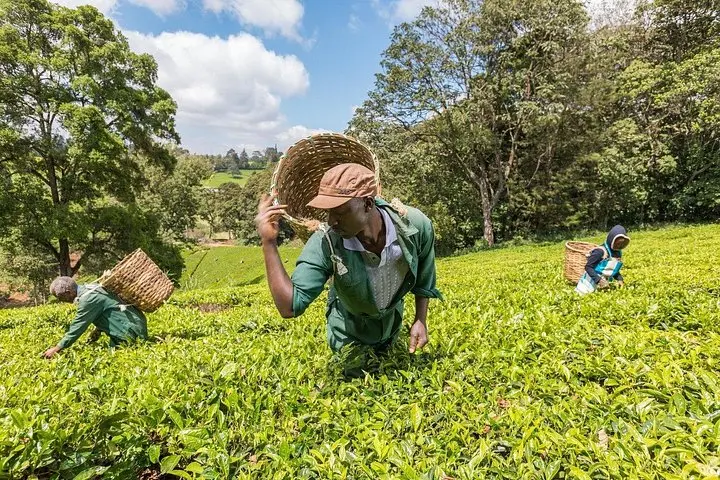
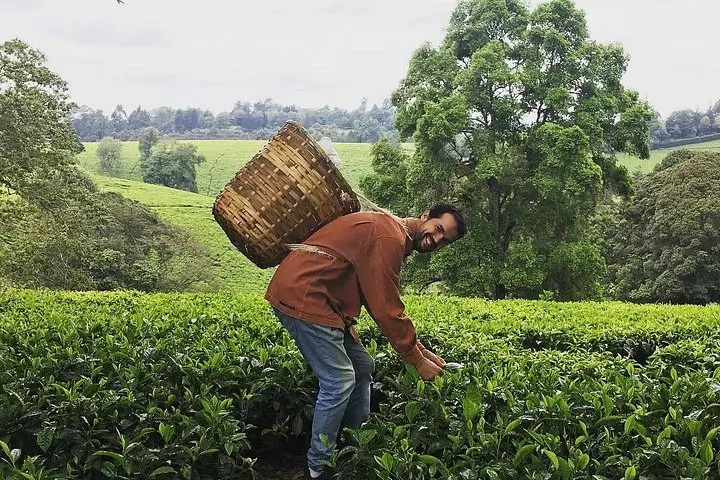
Kiambethu sits on the western slopes above Nairobi, a remnant of Kenya’s colonial tea history now run as a family estate that protects a patch of indigenous forest. The soil here is red-brown, derived from volcanic highlands, and tea terraces contour gentle hills. During the walk you’ll learn the tea-making chain—plucking, withering, rolling—while the preserved forest keeps small streams cool and birds vocal. Look up for black-and-white colobus monkeys moving with deliberate mischief through the canopy.
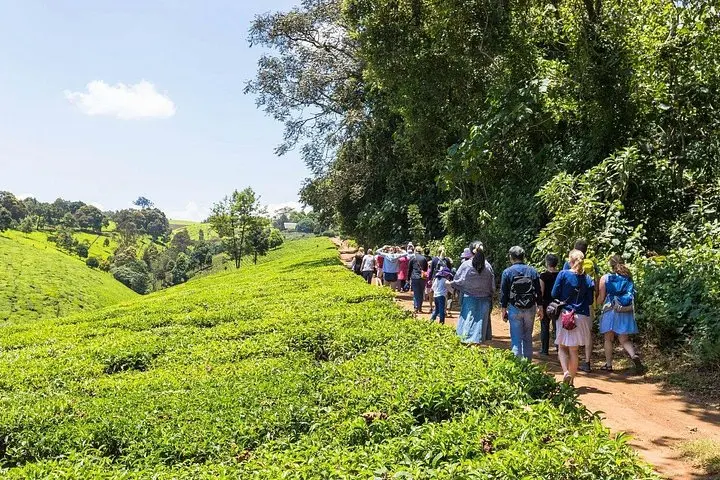
The program blends natural history with hospitality: a guided forest and plantation walk of roughly 1–2 km on well-formed paths (minor slopes, under 150 m change), an engaging talk on estate history and tea production, then a three-course lunch featuring local produce and teas served with care.
Practical bits: pickup from Nairobi is included; the full outing lasts about 5–6 hours with return late afternoon. Wear sturdy shoes for damp forest floors, carry a light rain layer during rainy months, and tell hosts about dietary needs in advance. Bring a camera and binoculars—tea fields and the forest feel alive, and the estate’s quiet makes for an easy, informative half-day outside the city.
The tour runs about 5–6 hours and includes hotel pickup/drop-off from Nairobi, a guided walk, tea tasting, and a three-course lunch with beverages.
Walks are short and on maintained paths; the tour is described as physically easy and suitable for children, though infants must sit on laps during transport.
Yes—most food is locally sourced; inform the operator at booking of allergies or special dietary needs so the kitchen can prepare accordingly.
Dry months (June–September and January–February) offer clearer trails and easier wildlife viewing, though the estate is attractive year-round.
Gracepatt Ecotours Kenya operates guided outdoor trips and adventures with an emphasis on safety, stewardship, and memorable experiences.

You pull off the highway and the city’s heat slips away—air cools, leaves lift, and a gravel drive leads to a low colonial house where tea steam rises from a kettle. Marcus and Fiona meet the minibus with home-baked biscuits and a calm welcome; the estate smells of wet soil and cut leaves, and the gardens invite slow steps.
You pull off the highway and the city’s heat slips away—air cools, leaves lift, and a gravel drive leads to a low colonial house where tea steam rises from a kettle. Marcus and Fiona meet the minibus with home-baked biscuits and a calm welcome; the estate smells of wet soil and cut leaves, and the gardens invite slow steps.
Kiambethu sits on the western slopes above Nairobi, a remnant of Kenya’s colonial tea history now run as a family estate that protects a patch of indigenous forest. The soil here is red-brown, derived from volcanic highlands, and tea terraces contour gentle hills. During the walk you’ll learn the tea-making chain—plucking, withering, rolling—while the preserved forest keeps small streams cool and birds vocal. Look up for black-and-white colobus monkeys moving with deliberate mischief through the canopy.
The program blends natural history with hospitality: a guided forest and plantation walk of roughly 1–2 km on well-formed paths (minor slopes, under 150 m change), an engaging talk on estate history and tea production, then a three-course lunch featuring local produce and teas served with care.
Practical bits: pickup from Nairobi is included; the full outing lasts about 5–6 hours with return late afternoon. Wear sturdy shoes for damp forest floors, carry a light rain layer during rainy months, and tell hosts about dietary needs in advance. Bring a camera and binoculars—tea fields and the forest feel alive, and the estate’s quiet makes for an easy, informative half-day outside the city.