THE ADVENTURE COLLECTIVE® · Independent discovery and booking for outdoor travel

Join a focused 2-day pilgrimage to Kibeho for the 45th anniversary solemnity: vigil mass, candle procession and guided visits to the apparition sites. This concise pilgrimage blends structured liturgy with local hospitality and simple, accessible walking across the shrine grounds.
Join a focused 2-day pilgrimage to Kibeho for the 45th anniversary solemnity: vigil mass, candle procession and guided visits to the apparition sites. This concise pilgrimage blends structured liturgy with local hospitality and simple, accessible walking across the shrine grounds.
Morning mist lifts off the southern Rwandan hills as pilgrims arrive at the Sanctuary of Our Lady of Kibeho. Stone steps, a wide esplanade and a scattering of chapels sit on a ridge that feels quieter than the road that brought you—candles flicker, voices gather, and the day stretches toward vigil and the Feast of the Assumption.
Verified experiences and guided adventures in the surrounding area.
Operated by Attractive Safaris · Kibeho, Southern Province
Morning mist lifts off the southern Rwandan hills as pilgrims arrive at the Sanctuary of Our Lady of Kibeho. Stone steps, a wide esplanade and a scattering of chapels sit on a ridge that feels quieter than the road that brought you—candles flicker, voices gather, and the day stretches toward vigil and the Feast of the Assumption.
Kibeho’s story begins with reported apparitions in 1981–1989 and formal ecclesiastical recognition in the early 2000s; the site now anchors contemporary devotional life in Rwanda. Geologically the area is highland—rolling volcanic hills at roughly 1,600 m—so expect red-earth tracks, compacted churchyard paving and short climbs between prayer sites. The cultural rhythm is structured: processions, rosary meditations, sacrament services and evening talks that marry local Catholic devotion with Rwandan hospitality.
On a practical level the pilgrimage is low-impact physically—daily walking totals are commonly 2–5 km over mostly even surfaces—but the altitude and sun make hydration and steady shoes important. Accommodation is simple religious lodging or local hotels (Regina Pacis is commonly used), and most food is prepared on-site; English and French guides are standard. Expect communal moments: candle processions at dusk, prolonged standing during mass, and opportunities to meet shrine staff or visionaries if arranged.
Plan logistics: arrive to Kigali with time to transfer, bring modest, weather-appropriate clothing, a refillable water bottle, sun protection and respect for the liturgical schedule. Travel light, move deliberately, and let the place set the pace.
Kibeho is about 2.5–3 hours by road from Kigali depending on traffic; most organized pilgrimages include round-trip transport.
Key areas including the main esplanade and some chapels have accessible surfaces and transport is wheelchair-capable, but some trails are uneven—notify the operator ahead of time.
Guides commonly speak English and French; services may be in Kinyarwanda and French, so basic translations are often provided by guides.
Meals listed include simple local and continental options (breakfast on day two, lunches and dinners included as noted); special dietary needs should be communicated at booking.
Attractive Safaris operates guided outdoor trips and adventures with an emphasis on safety, stewardship, and memorable experiences.

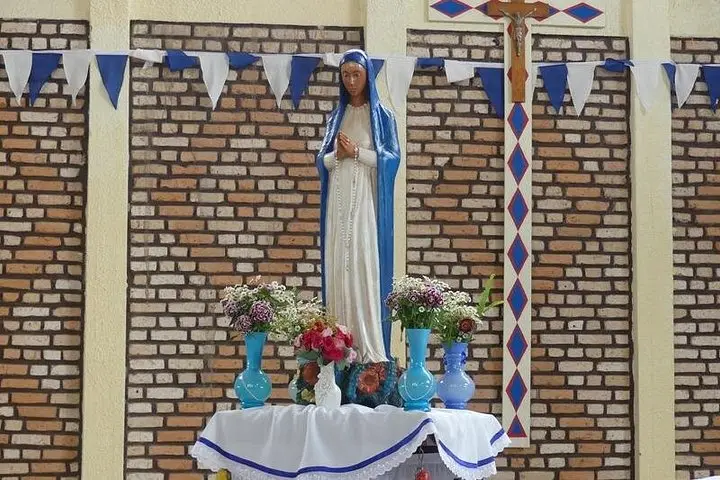
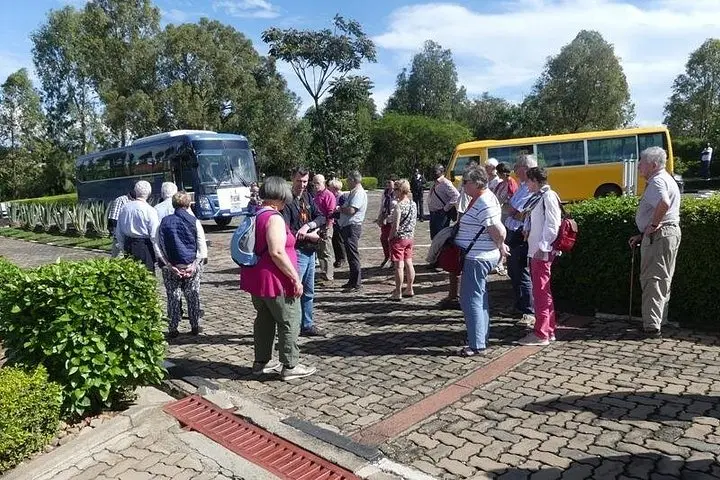
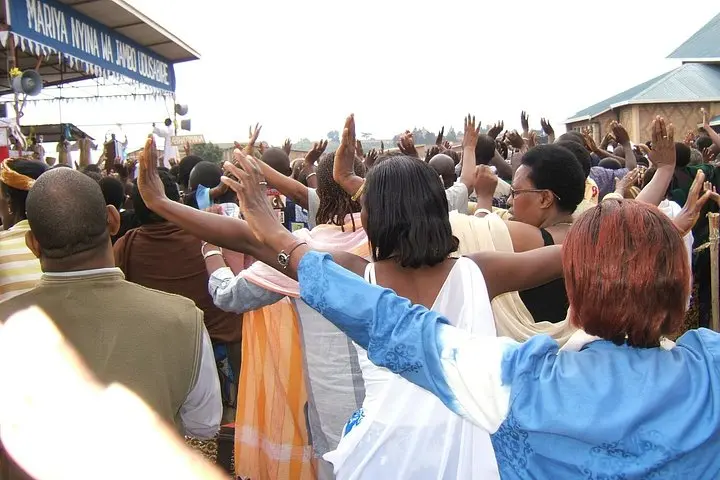
Morning mist lifts off the southern Rwandan hills as pilgrims arrive at the Sanctuary of Our Lady of Kibeho. Stone steps, a wide esplanade and a scattering of chapels sit on a ridge that feels quieter than the road that brought you—candles flicker, voices gather, and the day stretches toward vigil and the Feast of the Assumption.
Morning mist lifts off the southern Rwandan hills as pilgrims arrive at the Sanctuary of Our Lady of Kibeho. Stone steps, a wide esplanade and a scattering of chapels sit on a ridge that feels quieter than the road that brought you—candles flicker, voices gather, and the day stretches toward vigil and the Feast of the Assumption.
Kibeho’s story begins with reported apparitions in 1981–1989 and formal ecclesiastical recognition in the early 2000s; the site now anchors contemporary devotional life in Rwanda. Geologically the area is highland—rolling volcanic hills at roughly 1,600 m—so expect red-earth tracks, compacted churchyard paving and short climbs between prayer sites. The cultural rhythm is structured: processions, rosary meditations, sacrament services and evening talks that marry local Catholic devotion with Rwandan hospitality.
On a practical level the pilgrimage is low-impact physically—daily walking totals are commonly 2–5 km over mostly even surfaces—but the altitude and sun make hydration and steady shoes important. Accommodation is simple religious lodging or local hotels (Regina Pacis is commonly used), and most food is prepared on-site; English and French guides are standard. Expect communal moments: candle processions at dusk, prolonged standing during mass, and opportunities to meet shrine staff or visionaries if arranged.
Plan logistics: arrive to Kigali with time to transfer, bring modest, weather-appropriate clothing, a refillable water bottle, sun protection and respect for the liturgical schedule. Travel light, move deliberately, and let the place set the pace.