THE ADVENTURE COLLECTIVE® · Independent discovery and booking for outdoor travel

Walk through Kibera’s winding lanes, witness tribal performances at the Bomas of Kenya, and close the day with Carnivore’s famed feast. This half-day private tour pairs street-level insight with theatrical culture and a hearty Nairobi dinner.
Walk through Kibera’s winding lanes, witness tribal performances at the Bomas of Kenya, and close the day with Carnivore’s famed feast. This half-day private tour pairs street-level insight with theatrical culture and a hearty Nairobi dinner.
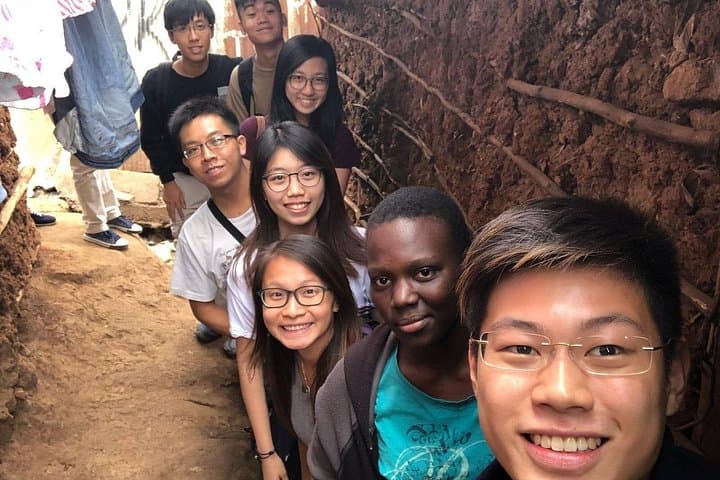
You step out of the vehicle and Nairobi's city hum shifts: vendors call, children play, and the narrow paths of Kibera open into a maze of corrugated roofs and improvised courtyards. The air carries the smell of frying mandazi and wood smoke; nearby, the city’s red volcanic soils slope gently toward the Ngong Hills, a reminder that Nairobi sits on an elevated East African plateau.
Verified experiences and guided adventures in the surrounding area.
Operated by Muringa Kenya Tours & Safaris Ltd · Nairobi, Nairobi County
You step out of the vehicle and Nairobi's city hum shifts: vendors call, children play, and the narrow paths of Kibera open into a maze of corrugated roofs and improvised courtyards. The air carries the smell of frying mandazi and wood smoke; nearby, the city’s red volcanic soils slope gently toward the Ngong Hills, a reminder that Nairobi sits on an elevated East African plateau.
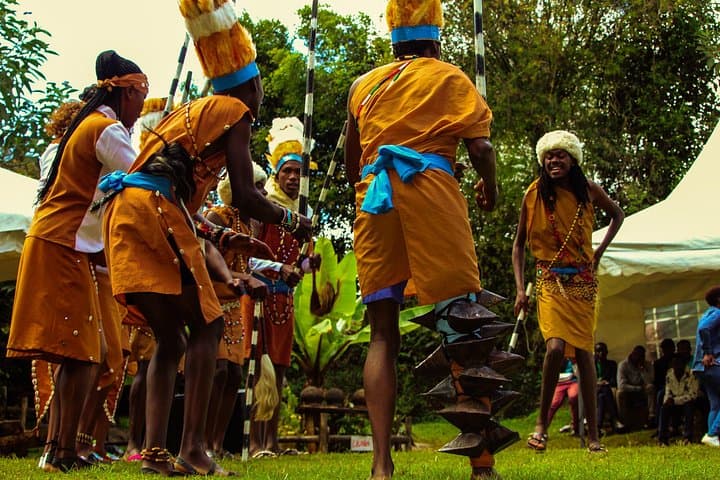
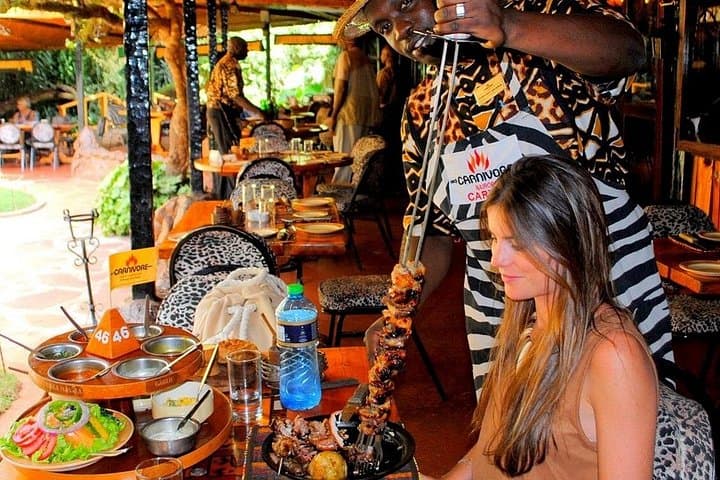
Kibera’s origins trace back to early 20th-century labour settlements, evolving into East Africa’s largest informal community. Walking here is a lesson in adaptive urban life—the craft workshops shaping bone and bead into saleable art, nursery schools full of song, and homesteads arranged around shared water points. The Bomas of Kenya, by contrast, stages the country’s tribal cultures: elaborate costumes, drumming that pushes the chest forward, and dances that map geography and history in movement. Finish at the Carnivore, where a theatrical parade of meats arrives sizzling on cast-iron, and the communal feast feels celebratory and pragmatic at once.
Practicalities: this half-day loop includes hotel pickup and drop-off and roughly three hours of guided walking—uneven, often dusty paths so wear sturdy shoes. Carry Kenyan shillings for market purchases, a small daypack, sun protection, and a willingness to move at local pace. Respect private spaces, ask before photographing people, and tip your guide if their storytelling opens doors for you. The tour blends urban anthropology with cultural performance and a memorable dinner—an efficient snapshot of Nairobi’s contrasting rhythms.
With a vetted guide and during daytime, visitors commonly tour Kibera safely; follow local guidance, keep valuables discreet, and stay with the group.
The Bomas admission and lunch are typically paid separately—confirm with the operator which stops include entry fees.
Yes—operators note they can handle vegetarian, vegan, and gluten-free requests; communicate restrictions when booking.
Round-trip transportation from Nairobi hotels is included in the tour, with pickup details collected at booking.
Muringa Kenya Tours & Safaris Ltd operates guided outdoor trips and adventures with an emphasis on safety, stewardship, and memorable experiences.

You step out of the vehicle and Nairobi's city hum shifts: vendors call, children play, and the narrow paths of Kibera open into a maze of corrugated roofs and improvised courtyards. The air carries the smell of frying mandazi and wood smoke; nearby, the city’s red volcanic soils slope gently toward the Ngong Hills, a reminder that Nairobi sits on an elevated East African plateau.
You step out of the vehicle and Nairobi's city hum shifts: vendors call, children play, and the narrow paths of Kibera open into a maze of corrugated roofs and improvised courtyards. The air carries the smell of frying mandazi and wood smoke; nearby, the city’s red volcanic soils slope gently toward the Ngong Hills, a reminder that Nairobi sits on an elevated East African plateau.
Kibera’s origins trace back to early 20th-century labour settlements, evolving into East Africa’s largest informal community. Walking here is a lesson in adaptive urban life—the craft workshops shaping bone and bead into saleable art, nursery schools full of song, and homesteads arranged around shared water points. The Bomas of Kenya, by contrast, stages the country’s tribal cultures: elaborate costumes, drumming that pushes the chest forward, and dances that map geography and history in movement. Finish at the Carnivore, where a theatrical parade of meats arrives sizzling on cast-iron, and the communal feast feels celebratory and pragmatic at once.
Practicalities: this half-day loop includes hotel pickup and drop-off and roughly three hours of guided walking—uneven, often dusty paths so wear sturdy shoes. Carry Kenyan shillings for market purchases, a small daypack, sun protection, and a willingness to move at local pace. Respect private spaces, ask before photographing people, and tip your guide if their storytelling opens doors for you. The tour blends urban anthropology with cultural performance and a memorable dinner—an efficient snapshot of Nairobi’s contrasting rhythms.