
Kibune to Kurama: Private Mountain Hike and Kurama Onsen Escape
Walk the mossy ridge between Kibune and Kurama with a private guide, visit two historic shrines, then unwind at Kurama Onsen. This short mountain hike pairs cultural insight with a restorative hot-spring finish.
An Adventure In Kyoto.
Walk the mossy ridge between Kibune and Kurama with a private guide, visit two historic shrines, then unwind at Kurama Onsen. This short mountain hike pairs cultural insight with a restorative hot-spring finish.
Read the full experience
A thin mist lifts off the mountain stream as you step away from Demachiyanagi Station and climb into Kyoto’s northern hills. The Eizan Railway drops you at a quieter edge of the city; cedar trunks rise like columns and the track of the trail threads between mossy stone steps and shaded gullies. Your private guide sets the pace, pointing out shrine markers and reminding you to watch your footing on uneven rock.
A thin mist lifts off the mountain stream as you step away from Demachiyanagi Station and climb into Kyoto’s northern hills. The Eizan Railway drops you at a quieter edge of the city; cedar trunks rise like columns and the track of the trail threads between mossy stone steps and shaded gullies. Your private guide sets the pace, pointing out shrine markers and reminding you to watch your footing on uneven rock.
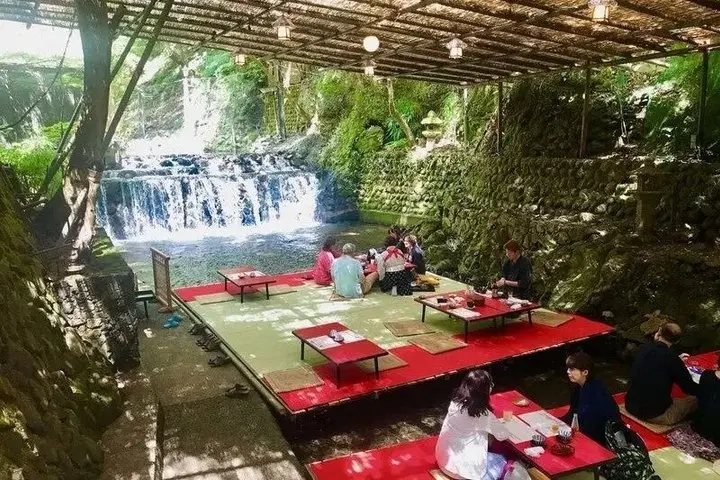
This route links two distinct cultural sites: Kibune Shrine, long associated with water rituals and rain prayers, and Kurama-dera, a rustic Buddhist temple established over a millennium ago. Geologically, the slope is carved from ancient granite and andesitic intrusions, producing steep ravines, layered rock outcrops, and clear, cool streams that gave rise to riverside dining platforms (kawadoko) in summer.
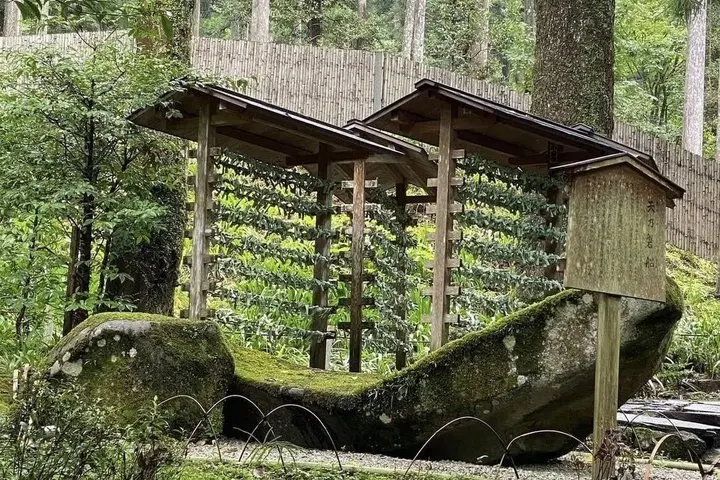
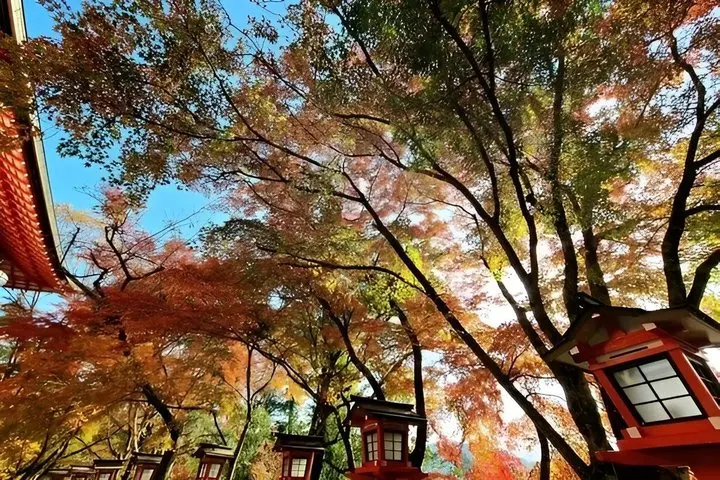
Along the way you’ll hear local stories about tengu—mythic mountain guardians—and see stone lanterns marking old pilgrim paths. The hike is short but steep in places, with stone steps, narrow singletrack, and root-strewn switchbacks that reward steady footing with wide forested views.
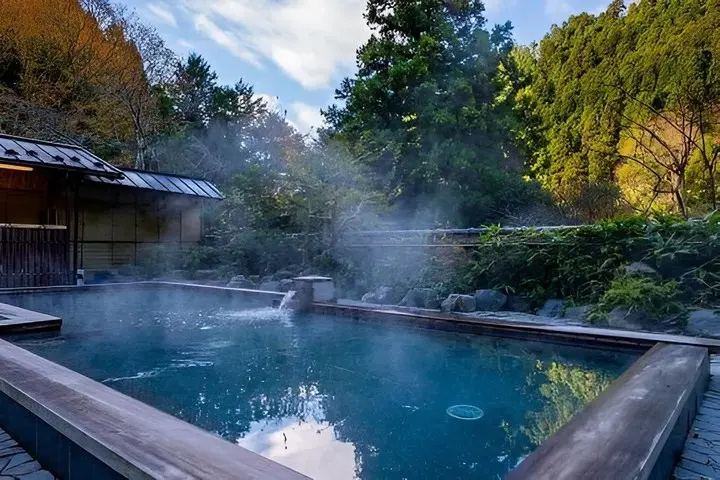
Practical note: the tour includes transport and admission fees, and finishes at Kurama Onsen where soaking is independent—bring a towel and toiletries. Wear grippy shoes, carry water, and expect intermittent phone signal. Weather can change fast; operators may cancel for unsafe trail conditions. Plan lunch in Kibune village or Kurama; both have small restaurants but menus and hours vary. This private outing balances cultural immersion with a manageable mountain hike and a restorative hot-spring finish.
Frequently asked questions
No—lunch is independent; your guide can recommend kawadoko river restaurants in Kibune or small eateries in Kurama.
Moderate: roughly 3 hours total with steep stone steps and uneven paths; reasonable fitness and steady footing required.
Yes—the package includes combined transport and hot spring ticket and temple admission; personal purchases like food are extra.
The operator may cancel the hike for unsafe trail conditions; cancellations 24 hours prior qualify for a full refund per policy.
About This Experience
SORA Kyoto Experiences operates guided outdoor trips and adventures with an emphasis on safety, stewardship, and memorable experiences.
Adventure tips
Recommended gear
- Sturdy hiking shoes: Provides traction on wet stone steps and rooty singletrack.
- Daypack with water (1–2 L): Carries water, snacks, towel, and a light rain layer.
- Towel & personal bathing items: Required for Kurama Onsen and more hygienic than relying on rentals.
- Light rain jacket: Protects against sudden showers common in the mountains, especially in spring and fall.
Photos of the experience
Related adventures & guides
Read the full experience
A thin mist lifts off the mountain stream as you step away from Demachiyanagi Station and climb into Kyoto’s northern hills. The Eizan Railway drops you at a quieter edge of the city; cedar trunks rise like columns and the track of the trail threads between mossy stone steps and shaded gullies. Your private guide sets the pace, pointing out shrine markers and reminding you to watch your footing on uneven rock.
A thin mist lifts off the mountain stream as you step away from Demachiyanagi Station and climb into Kyoto’s northern hills. The Eizan Railway drops you at a quieter edge of the city; cedar trunks rise like columns and the track of the trail threads between mossy stone steps and shaded gullies. Your private guide sets the pace, pointing out shrine markers and reminding you to watch your footing on uneven rock.
This route links two distinct cultural sites: Kibune Shrine, long associated with water rituals and rain prayers, and Kurama-dera, a rustic Buddhist temple established over a millennium ago. Geologically, the slope is carved from ancient granite and andesitic intrusions, producing steep ravines, layered rock outcrops, and clear, cool streams that gave rise to riverside dining platforms (kawadoko) in summer.
Along the way you’ll hear local stories about tengu—mythic mountain guardians—and see stone lanterns marking old pilgrim paths. The hike is short but steep in places, with stone steps, narrow singletrack, and root-strewn switchbacks that reward steady footing with wide forested views.
Practical note: the tour includes transport and admission fees, and finishes at Kurama Onsen where soaking is independent—bring a towel and toiletries. Wear grippy shoes, carry water, and expect intermittent phone signal. Weather can change fast; operators may cancel for unsafe trail conditions. Plan lunch in Kibune village or Kurama; both have small restaurants but menus and hours vary. This private outing balances cultural immersion with a manageable mountain hike and a restorative hot-spring finish.
Make a day of it nearby.
Verified experiences and guided adventures in the surrounding area.