THE ADVENTURE COLLECTIVE® · Independent discovery and booking for outdoor travel

Four days in Kidepo National Park take you into one of Uganda’s most remote wildlife strongholds — long drives, early-morning game drives, and evenings under vast skies. This itinerary pairs rugged scenery with strong wildlife encounters and local cultural context.
Four days in Kidepo National Park take you into one of Uganda’s most remote wildlife strongholds — long drives, early-morning game drives, and evenings under vast skies. This itinerary pairs rugged scenery with strong wildlife encounters and local cultural context.
Early light slices across the Narus Valley and the air smells of sun-baked grass and dust. On a four-day circuit through Kidepo Valley National Park you feel the landscape push back — ridgelines that hold herds, dry riverbeds that channel the park’s life, and kopjes where predators watch the plain.
Verified experiences and guided adventures in the surrounding area.
Operated by Discover Sipi · Kaabong, Karamoja
Early light slices across the Narus Valley and the air smells of sun-baked grass and dust. On a four-day circuit through Kidepo Valley National Park you feel the landscape push back — ridgelines that hold herds, dry riverbeds that channel the park’s life, and kopjes where predators watch the plain.
Kidepo sits in Uganda’s Karamoja region, a semi-arid basin carved by ancient rivers and uplifted plateaus. The park preserves montane grassland, thorn scrub and savanna that support uniquely dense populations of giraffe, elephant, and plains game; the Karamojong pastoral communities who live around the park bring a living cultural context to the edges of the reserve.
Geologically the valley is a pocket of lower-lying plains hemmed by rocky hills; those rocks create lookout points ideal for both animal viewing and understanding how water and wind shaped the land. Culturally, expect simple hospitality — lodges operate with limited infrastructure but attentive guides who know where the wildlife concentrates at dawn and dusk.
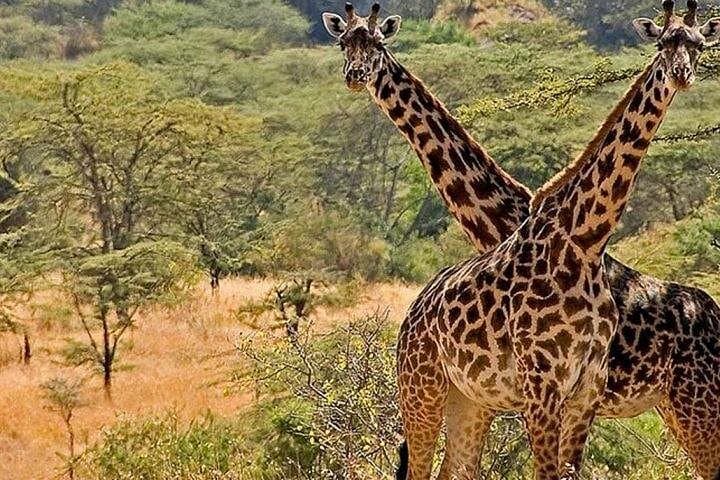
Practically, the tour is driven: expect long transfer stretches (road quality varies), early starts for morning game drives in the Narus and Kidepo valleys, and evening drives when predators are active. Accommodations range from basic lodges to safari camps; meals are usually included. Bring layered clothing for cool mornings, sun protection for midday, and insect repellent for evenings. Stay patient and quiet during drives — Kidepo rewards those who watch and wait. With low visitor density, sightings can feel intensely personal: a lone lion on a rock, or a tower of giraffes moving through dusty light.
Most itineraries start with a drive or domestic flight to Gulu or direct charter flights toward Kidepo; this tour includes overland transfers with long driving days.
This tour lists entry fees and accommodation as included — confirm with the operator before booking for any recent changes.
Yes — Kidepo is in a malaria-prone region; consult your doctor about prophylaxis and carry insect repellent and a net if you are sensitive.
Expect elephants, giraffe, zebra, eland, antelope species and predators like lion and cheetah; sightings aren’t guaranteed but the park’s low visitor numbers improve odds.
Discover Sipi operates guided outdoor trips and adventures with an emphasis on safety, stewardship, and memorable experiences.

Early light slices across the Narus Valley and the air smells of sun-baked grass and dust. On a four-day circuit through Kidepo Valley National Park you feel the landscape push back — ridgelines that hold herds, dry riverbeds that channel the park’s life, and kopjes where predators watch the plain.
Early light slices across the Narus Valley and the air smells of sun-baked grass and dust. On a four-day circuit through Kidepo Valley National Park you feel the landscape push back — ridgelines that hold herds, dry riverbeds that channel the park’s life, and kopjes where predators watch the plain.
Kidepo sits in Uganda’s Karamoja region, a semi-arid basin carved by ancient rivers and uplifted plateaus. The park preserves montane grassland, thorn scrub and savanna that support uniquely dense populations of giraffe, elephant, and plains game; the Karamojong pastoral communities who live around the park bring a living cultural context to the edges of the reserve.
Geologically the valley is a pocket of lower-lying plains hemmed by rocky hills; those rocks create lookout points ideal for both animal viewing and understanding how water and wind shaped the land. Culturally, expect simple hospitality — lodges operate with limited infrastructure but attentive guides who know where the wildlife concentrates at dawn and dusk.
Practically, the tour is driven: expect long transfer stretches (road quality varies), early starts for morning game drives in the Narus and Kidepo valleys, and evening drives when predators are active. Accommodations range from basic lodges to safari camps; meals are usually included. Bring layered clothing for cool mornings, sun protection for midday, and insect repellent for evenings. Stay patient and quiet during drives — Kidepo rewards those who watch and wait. With low visitor density, sightings can feel intensely personal: a lone lion on a rock, or a tower of giraffes moving through dusty light.