THE ADVENTURE COLLECTIVE® · Independent discovery and booking for outdoor travel

Spend a day moving between Kigali’s vibrant markets and the sober Kigali Genocide Memorial. This practical guide explains what to expect—terrain, timing, and respectful behavior—so you can experience the city with context and confidence.
Spend a day moving between Kigali’s vibrant markets and the sober Kigali Genocide Memorial. This practical guide explains what to expect—terrain, timing, and respectful behavior—so you can experience the city with context and confidence.
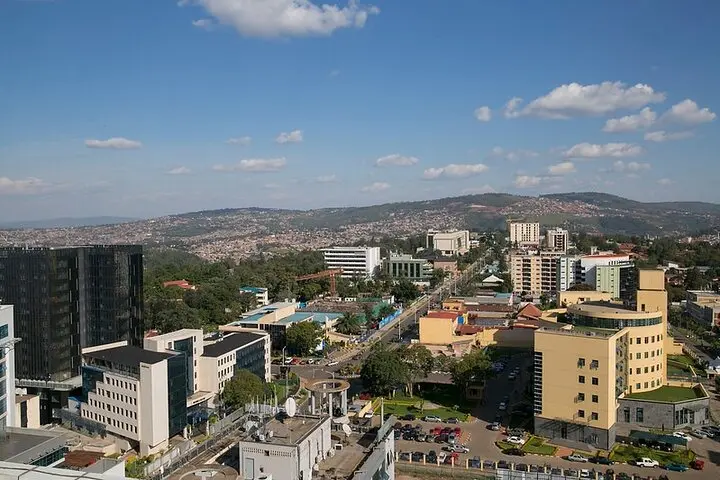
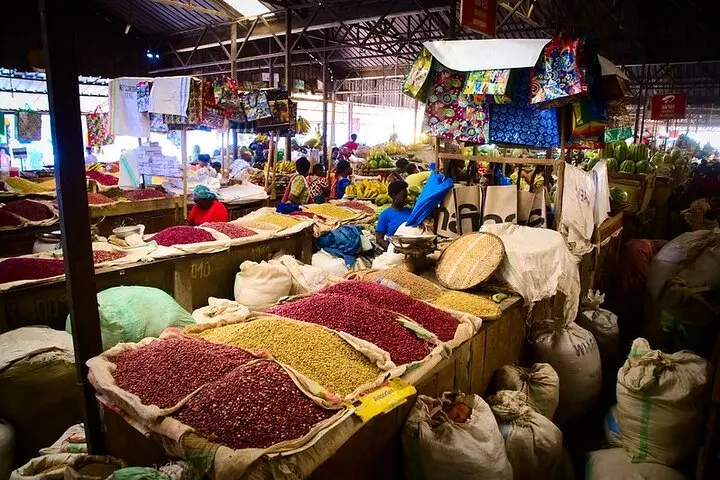
Morning light slides down Kigali’s hills and the city wakes like a careful breath: boda-bodas threading narrow streets, vendors arranging bright fabrics, and the hum of a place that rebuilt itself from deep rupture.
Verified experiences and guided adventures in the surrounding area.
Operated by La Fontana Tours · Kigali, Kigali Province
Morning light slides down Kigali’s hills and the city wakes like a careful breath: boda-bodas threading narrow streets, vendors arranging bright fabrics, and the hum of a place that rebuilt itself from deep rupture.
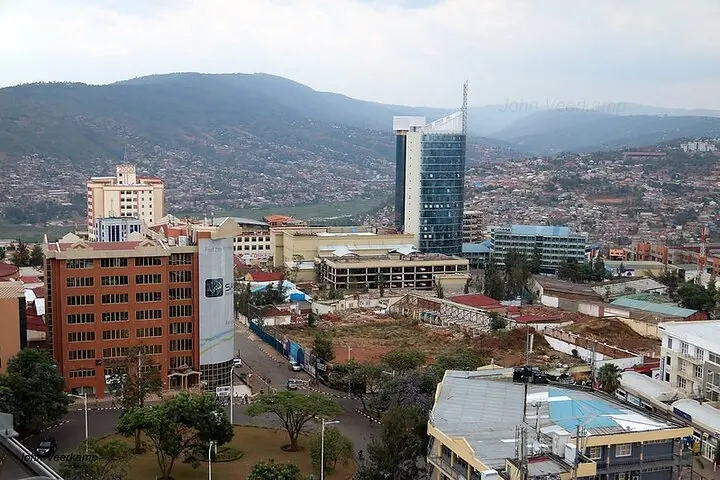
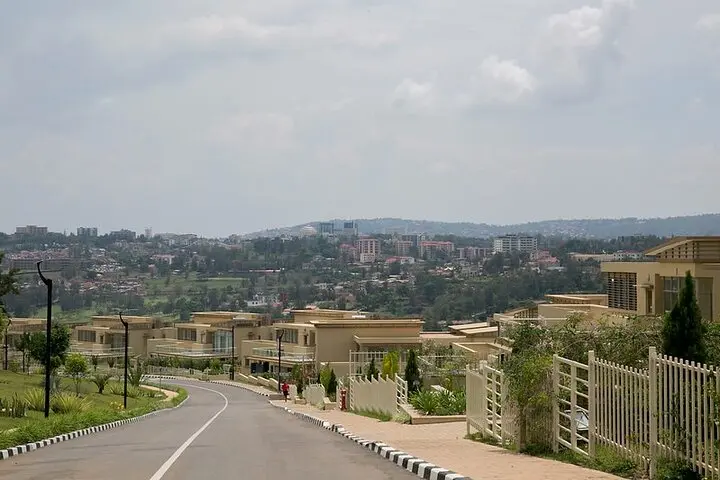
This one-day tour threads modern Kigali with its past—stops at bustling markets selling fruits, cereals and handcrafted souvenirs, and a solemn visit to the Kigali Genocide Memorial for context and remembrance. Kigali sits on a series of steep ridgelines carved from volcanic soils; the city’s elevation (around 1,500–1,600 m) gives mornings a cool clarity and offers short climbs between viewpoints where the red earth and orange roofs spread below.
Culturally the route traces post‑colonial growth and Rwandan renewal: markets that are as much social hubs as places to buy goods, neighborhoods like Nyamirambo where Muslim heritage and local eateries create strong flavors, and contemporary art centers that map a young nation’s voice. Geologically, the city is shallow‑rooted on weathered volcanic bedrock—expect firm, paved streets most of the way but steep slopes and stairways in older quarters.
Practical guidance: the tour runs roughly 6–7 hours and includes transport and a local lunch, but plan for 2–4 km of walking spread across the day with cumulative elevation changes of a few hundred meters. Wear supportive shoes for hills, carry water and sun protection, and bring small local currency for market purchases. At the memorial, keep a respectful silence and follow guide instructions; photography rules are strict. Start early to beat midday heat and leave room in your schedule to wander a favored market stall after the guided loop.
Yes; the itinerary includes a guided learning and remembrance visit—respectful behavior and some photography restrictions apply.
Expect 2–4 km of walking over the day with several short uphill sections and stairways; transport is used between stops.
A local lunch is included along with coffee and bottled water; notify the operator of dietary requirements when booking.
The operator notes wheelchair‑accessible transportation and some sites; however, steep streets and stairs may limit full accessibility—check specific pickup and route details when booking.
La Fontana Tours operates guided outdoor trips and adventures with an emphasis on safety, stewardship, and memorable experiences.
Morning light slides down Kigali’s hills and the city wakes like a careful breath: boda-bodas threading narrow streets, vendors arranging bright fabrics, and the hum of a place that rebuilt itself from deep rupture.
Morning light slides down Kigali’s hills and the city wakes like a careful breath: boda-bodas threading narrow streets, vendors arranging bright fabrics, and the hum of a place that rebuilt itself from deep rupture.
This one-day tour threads modern Kigali with its past—stops at bustling markets selling fruits, cereals and handcrafted souvenirs, and a solemn visit to the Kigali Genocide Memorial for context and remembrance. Kigali sits on a series of steep ridgelines carved from volcanic soils; the city’s elevation (around 1,500–1,600 m) gives mornings a cool clarity and offers short climbs between viewpoints where the red earth and orange roofs spread below.
Culturally the route traces post‑colonial growth and Rwandan renewal: markets that are as much social hubs as places to buy goods, neighborhoods like Nyamirambo where Muslim heritage and local eateries create strong flavors, and contemporary art centers that map a young nation’s voice. Geologically, the city is shallow‑rooted on weathered volcanic bedrock—expect firm, paved streets most of the way but steep slopes and stairways in older quarters.
Practical guidance: the tour runs roughly 6–7 hours and includes transport and a local lunch, but plan for 2–4 km of walking spread across the day with cumulative elevation changes of a few hundred meters. Wear supportive shoes for hills, carry water and sun protection, and bring small local currency for market purchases. At the memorial, keep a respectful silence and follow guide instructions; photography rules are strict. Start early to beat midday heat and leave room in your schedule to wander a favored market stall after the guided loop.