THE ADVENTURE COLLECTIVE® · Independent discovery and booking for outdoor travel

Explore Kigali by motorbike to cover more ground, from the Kigali Genocide Memorial to Kimironko Market and Mt. Kigali viewpoints. This half-day guided ride mixes urban culture, contemporary art, and sweeping city views with practical safety and local insight.
Explore Kigali by motorbike to cover more ground, from the Kigali Genocide Memorial to Kimironko Market and Mt. Kigali viewpoints. This half-day guided ride mixes urban culture, contemporary art, and sweeping city views with practical safety and local insight.
The engine hums, the city opens — streets rising and falling with the hills that shape Kigali. On a motorbike tour, the air carries market spices, exhaust, and the distant call of vendors; riders thread through urban parks, skirt glass-and-concrete conference halls, and climb toward the ridge-line views from Mt. Kigali. The pace is immediate: stoplights, pedestrian crossings, and sudden vistas that demand a brief, breath-stealing pause.
Verified experiences and guided adventures in the surrounding area.
Operated by Kigali motor bike tours · Kigali, Kigali
The engine hums, the city opens — streets rising and falling with the hills that shape Kigali. On a motorbike tour, the air carries market spices, exhaust, and the distant call of vendors; riders thread through urban parks, skirt glass-and-concrete conference halls, and climb toward the ridge-line views from Mt. Kigali. The pace is immediate: stoplights, pedestrian crossings, and sudden vistas that demand a brief, breath-stealing pause.
Kigali’s streets tell a recent, complex history. Passengers will pause at the Kigali Genocide Memorial, a solemn site that explains the city’s transformation and the nationwide commitment to reconciliation. Architecturally, modern landmarks like the Kigali Convention Centre sit above older neighborhoods where fabrics and produce animate markets such as Kimironko. Geologically, the city perches on undulating volcanic hills — short climbs and panoramic ridgelines offer unexpected vantage points. Cultural stops like the Niyo Art Gallery and local markets reveal contemporary Rwandan art and daily commerce, while memorials and public parks map the nation’s narrative.
Practically, this is a half-day to full-day urban ride that balances sightseeing with short walking stops. Expect paved roads, frequent stops, and close interaction with traffic and pedestrians. Guides provide helmets and machines; bring sensible footwear, layered clothing for sudden showers, and a respectful attitude at memorials and religious sites. Hydrate before you go and keep valuables secured; pockets and handlebar bags work best. Timing matters — morning rides cut through cooler air and thinner traffic, while late afternoons offer warm light over the hills. For travelers seeking a quick, kinetic orientation to Kigali, a guided motorbike tour is efficient, vivid, and distinctly local.
Check with the operator—many tours allow guests to join as passengers; if riding solo, a local or international motorcycle license may be required.
Yes — visits are standard; expect a guided time window and observe quiet, respectful behavior and photography rules inside memorial spaces.
Guides typically speak English; confirm at booking for other language needs or specialized requests.
Yes — the operator supplies well-maintained motorbikes and clean helmets; bringing your own helmet is fine if you prefer.
Kigali motor bike tours operates guided outdoor trips and adventures with an emphasis on safety, stewardship, and memorable experiences.
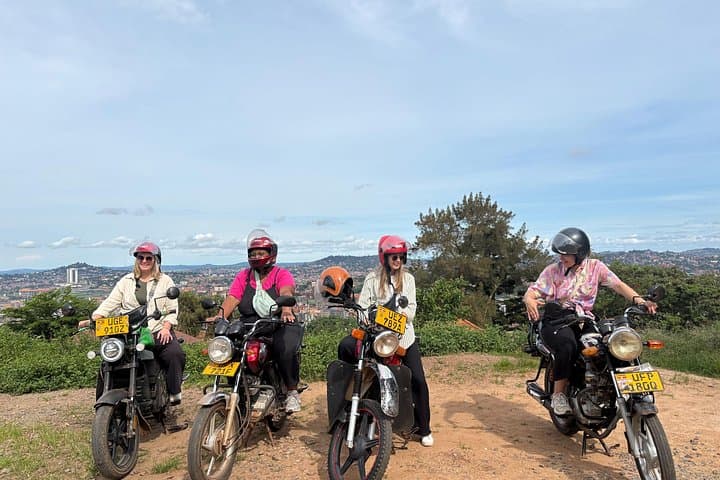


The engine hums, the city opens — streets rising and falling with the hills that shape Kigali. On a motorbike tour, the air carries market spices, exhaust, and the distant call of vendors; riders thread through urban parks, skirt glass-and-concrete conference halls, and climb toward the ridge-line views from Mt. Kigali. The pace is immediate: stoplights, pedestrian crossings, and sudden vistas that demand a brief, breath-stealing pause.
The engine hums, the city opens — streets rising and falling with the hills that shape Kigali. On a motorbike tour, the air carries market spices, exhaust, and the distant call of vendors; riders thread through urban parks, skirt glass-and-concrete conference halls, and climb toward the ridge-line views from Mt. Kigali. The pace is immediate: stoplights, pedestrian crossings, and sudden vistas that demand a brief, breath-stealing pause.
Kigali’s streets tell a recent, complex history. Passengers will pause at the Kigali Genocide Memorial, a solemn site that explains the city’s transformation and the nationwide commitment to reconciliation. Architecturally, modern landmarks like the Kigali Convention Centre sit above older neighborhoods where fabrics and produce animate markets such as Kimironko. Geologically, the city perches on undulating volcanic hills — short climbs and panoramic ridgelines offer unexpected vantage points. Cultural stops like the Niyo Art Gallery and local markets reveal contemporary Rwandan art and daily commerce, while memorials and public parks map the nation’s narrative.
Practically, this is a half-day to full-day urban ride that balances sightseeing with short walking stops. Expect paved roads, frequent stops, and close interaction with traffic and pedestrians. Guides provide helmets and machines; bring sensible footwear, layered clothing for sudden showers, and a respectful attitude at memorials and religious sites. Hydrate before you go and keep valuables secured; pockets and handlebar bags work best. Timing matters — morning rides cut through cooler air and thinner traffic, while late afternoons offer warm light over the hills. For travelers seeking a quick, kinetic orientation to Kigali, a guided motorbike tour is efficient, vivid, and distinctly local.