THE ADVENTURE COLLECTIVE® · Independent discovery and booking for outdoor travel

Spend a full day exploring Kigali’s neighborhoods, history, and rooftop views — from the Kigali Genocide Memorial to Nyamirambo’s food streets and Mount Kigali’s lookout. This private tour blends cultural insight with practical, walkable exploration.
Spend a full day exploring Kigali’s neighborhoods, history, and rooftop views — from the Kigali Genocide Memorial to Nyamirambo’s food streets and Mount Kigali’s lookout. This private tour blends cultural insight with practical, walkable exploration.
The day opens with Kigali’s hills rolling into view from the back of a private vehicle; the city exhales steam and market chatter as you step onto Biryogo’s streets. Guides move with purposeful calm — steering through spice stalls, pointing out muraled lanes, and pausing where sunlight slants between corrugated roofs.
Verified experiences and guided adventures in the surrounding area.
Operated by Gorilla Hub Safaris · Kigali, Kigali
The day opens with Kigali’s hills rolling into view from the back of a private vehicle; the city exhales steam and market chatter as you step onto Biryogo’s streets. Guides move with purposeful calm — steering through spice stalls, pointing out muraled lanes, and pausing where sunlight slants between corrugated roofs.
Kigali’s modern skyline sits atop older layers: pre-colonial Rwandan kingdoms, German then Belgian colonial outposts, and the city’s more recent rebirth after 1994. The Kigali Genocide Memorial presents a sober, factual account of the genocide against the Tutsi and the country’s ongoing reconciliation work. Nearby, Kandt House traces early colonial science and natural history, while Mount Kigali’s slopes reveal the volcanic uplands that shape Rwanda’s ridged topography.
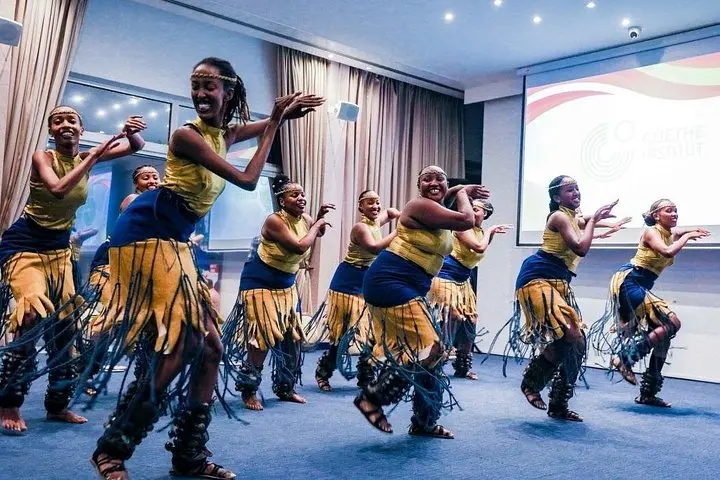
Culture here is kinetic — markets trading fresh produce, street cooks serving brochettes, and community projects such as the Nyamirambo Women’s Center offering tangible social impact. The day alternates between walkable neighborhoods (short sections of 1–2 km on paved or compacted surfaces) and brief vehicle transfers; expect a sustained uphill walk to the Mount Kigali viewpoint (roughly 30–45 minutes with steady elevation gain).
Practical guidance: wear sturdy walking shoes, carry sun protection and a lightweight rain layer, and bring local currency for market purchases. Plan for a full day (about 12–14 hours) with intermittent standing and walking; hydration and sensible pacing make the difference between a rushed visit and a reflective one. Respect memorial protocols — quiet, photography limits, and time to absorb exhibits.
The memorial contains graphic historical material; caregivers should assess age-appropriate exposure and consider shorter visits or guided explanations for younger children.
Lunch and bottled water are included; street food tastings in Nyamirambo are usually additional and paid on-site depending on your choices.
This private tour is typically flexible — guides can adjust timing and stops to focus on markets, museums, or community projects with advance notice.
Much of the route uses paved streets and vehicle transfers, but some sites have stairs or uneven surfaces; notify the operator at booking to discuss accessibility options.
Gorilla Hub Safaris operates guided outdoor trips and adventures with an emphasis on safety, stewardship, and memorable experiences.
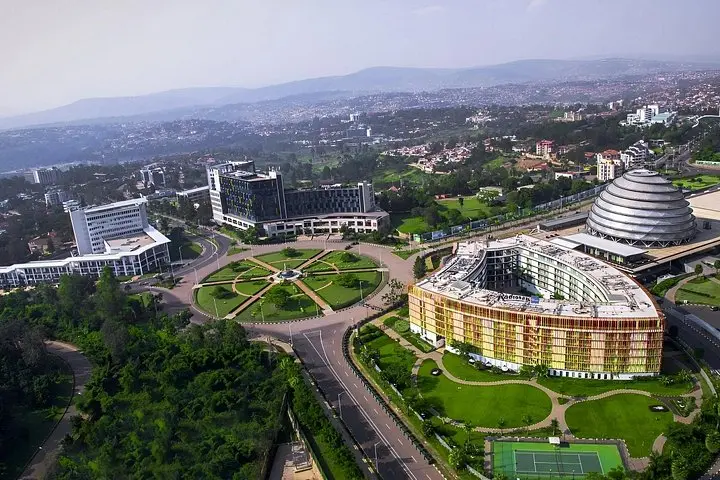


The day opens with Kigali’s hills rolling into view from the back of a private vehicle; the city exhales steam and market chatter as you step onto Biryogo’s streets. Guides move with purposeful calm — steering through spice stalls, pointing out muraled lanes, and pausing where sunlight slants between corrugated roofs.
The day opens with Kigali’s hills rolling into view from the back of a private vehicle; the city exhales steam and market chatter as you step onto Biryogo’s streets. Guides move with purposeful calm — steering through spice stalls, pointing out muraled lanes, and pausing where sunlight slants between corrugated roofs.
Kigali’s modern skyline sits atop older layers: pre-colonial Rwandan kingdoms, German then Belgian colonial outposts, and the city’s more recent rebirth after 1994. The Kigali Genocide Memorial presents a sober, factual account of the genocide against the Tutsi and the country’s ongoing reconciliation work. Nearby, Kandt House traces early colonial science and natural history, while Mount Kigali’s slopes reveal the volcanic uplands that shape Rwanda’s ridged topography.
Culture here is kinetic — markets trading fresh produce, street cooks serving brochettes, and community projects such as the Nyamirambo Women’s Center offering tangible social impact. The day alternates between walkable neighborhoods (short sections of 1–2 km on paved or compacted surfaces) and brief vehicle transfers; expect a sustained uphill walk to the Mount Kigali viewpoint (roughly 30–45 minutes with steady elevation gain).
Practical guidance: wear sturdy walking shoes, carry sun protection and a lightweight rain layer, and bring local currency for market purchases. Plan for a full day (about 12–14 hours) with intermittent standing and walking; hydration and sensible pacing make the difference between a rushed visit and a reflective one. Respect memorial protocols — quiet, photography limits, and time to absorb exhibits.