THE ADVENTURE COLLECTIVE® · Independent discovery and booking for outdoor travel

Spend a day moving from Nyamirambo’s lively lanes to the solemn Kigali Genocide Memorial. This private city tour mixes walking, markets, contemporary galleries and thoughtful history—ideal for travelers who want a grounded, human-scale introduction to Kigali.
Spend a day moving from Nyamirambo’s lively lanes to the solemn Kigali Genocide Memorial. This private city tour mixes walking, markets, contemporary galleries and thoughtful history—ideal for travelers who want a grounded, human-scale introduction to Kigali.
The morning opens on Kigali’s rolling streets with a cool, city-breathing quiet—the guide calls from the parked, air‑conditioned vehicle and the neighborhood answers with distant market stalls and church bells.
Verified experiences and guided adventures in the surrounding area.
Operated by Rwanda Eco Company and Safaris · Kigali, Kigali
The morning opens on Kigali’s rolling streets with a cool, city-breathing quiet—the guide calls from the parked, air‑conditioned vehicle and the neighborhood answers with distant market stalls and church bells.
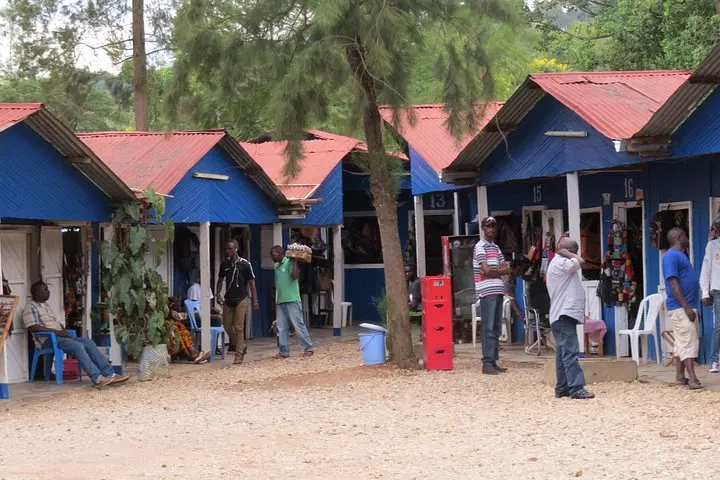
Start in Nyamirambo, where a walking tour threads through narrow lanes, household courtyards and the Nyamirambo Women’s Centre; the rhythm here is human-scale and social, the scents of coffee and grilled nyama mixing with street-level commerce. Later, the Kigali Genocide Memorial brings a stillness that contrasts the day’s earlier bustle—its exhibits and gardens ask for quiet attention and time.
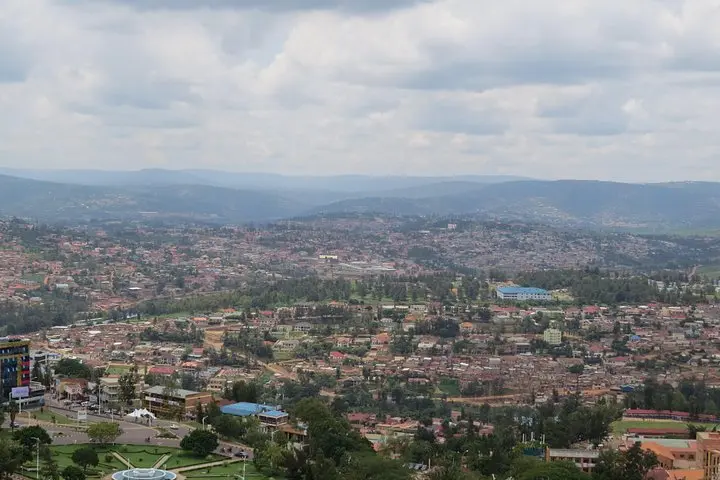
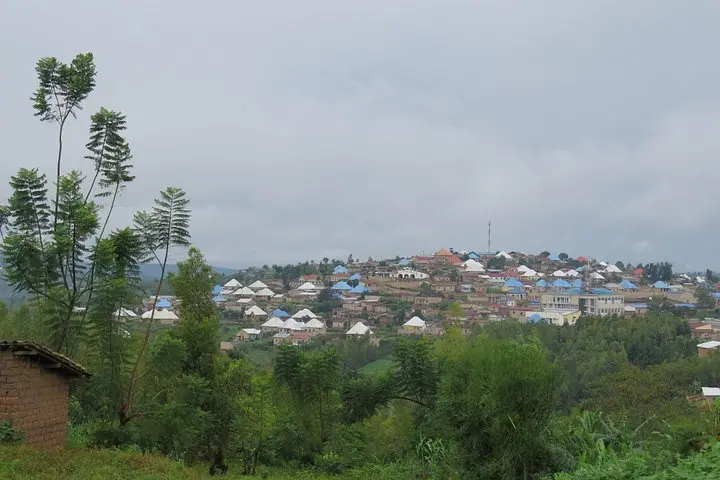
Kigali sits on a series of volcanic hills; the city’s layout and views are shaped by that geology, with drainage gullies, folded ridgelines and volcanic soils that feed city gardens. Culturally, this tour highlights a Rwanda rebuilding after 1994—a place where community projects, contemporary art galleries and market economies intersect. Local artisans and small cafés around Kimironko market showcase products and foods rooted in the region’s coffee culture and agrarian traditions.
Practical guidance: expect 5–8 hours with intermittent walking, brief stair sections and paved or compact-dirt surfaces. Wear sturdy walking shoes, carry a light rain jacket (afternoon showers are common), and keep water and sun protection handy. Allow time at the memorial for reflection; photography is restricted in parts. Lunch at a local restaurant gives a true taste of Rwandan cuisine—plan for cash and small change.
This city tour mixes human stories, approachable urban hiking, and meaningful history—direct, walkable, and best taken with curiosity and respect.
The itinerary runs approximately 5–8 hours (300–480 minutes), typically starting after breakfast and returning late afternoon.
Yes, the tour visits the Kigali Genocide Memorial; admission may be required separately depending on operator policy—allow extra time for the exhibit.
Infants can join (stroller accessibility noted) but children should be supervised at the memorial and during busy market sections.
Lunch is arranged at a local restaurant but usually not included—confirm when booking and bring cash for gratuities and market purchases.
Rwanda Eco Company and Safaris operates guided outdoor trips and adventures with an emphasis on safety, stewardship, and memorable experiences.
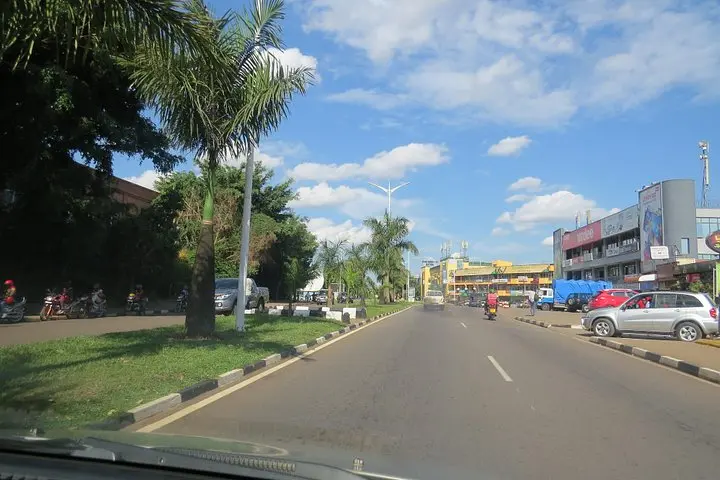
The morning opens on Kigali’s rolling streets with a cool, city-breathing quiet—the guide calls from the parked, air‑conditioned vehicle and the neighborhood answers with distant market stalls and church bells.
The morning opens on Kigali’s rolling streets with a cool, city-breathing quiet—the guide calls from the parked, air‑conditioned vehicle and the neighborhood answers with distant market stalls and church bells.
Start in Nyamirambo, where a walking tour threads through narrow lanes, household courtyards and the Nyamirambo Women’s Centre; the rhythm here is human-scale and social, the scents of coffee and grilled nyama mixing with street-level commerce. Later, the Kigali Genocide Memorial brings a stillness that contrasts the day’s earlier bustle—its exhibits and gardens ask for quiet attention and time.
Kigali sits on a series of volcanic hills; the city’s layout and views are shaped by that geology, with drainage gullies, folded ridgelines and volcanic soils that feed city gardens. Culturally, this tour highlights a Rwanda rebuilding after 1994—a place where community projects, contemporary art galleries and market economies intersect. Local artisans and small cafés around Kimironko market showcase products and foods rooted in the region’s coffee culture and agrarian traditions.
Practical guidance: expect 5–8 hours with intermittent walking, brief stair sections and paved or compact-dirt surfaces. Wear sturdy walking shoes, carry a light rain jacket (afternoon showers are common), and keep water and sun protection handy. Allow time at the memorial for reflection; photography is restricted in parts. Lunch at a local restaurant gives a true taste of Rwandan cuisine—plan for cash and small change.
This city tour mixes human stories, approachable urban hiking, and meaningful history—direct, walkable, and best taken with curiosity and respect.