THE ADVENTURE COLLECTIVE® · Independent discovery and booking for outdoor travel

A full-day hike from Nairobi that drops into the Kijabe Hills to find a shaded ‘dark tunnel’ and a series of waterfalls. Expect mixed terrain, steep pitches, and local cultural touches guided by an experienced local guide.
A full-day hike from Nairobi that drops into the Kijabe Hills to find a shaded ‘dark tunnel’ and a series of waterfalls. Expect mixed terrain, steep pitches, and local cultural touches guided by an experienced local guide.
The trail opens with a cool, wooded rim that drops into a narrow valley; you feel the air change as you descend toward the tunnels and waterfalls. Low ridgelines frame wide views back to the Nairobi skyline on clear days, while the route threads through eucalyptus stands, grassland, and rocky outcrops. The dark tunnel — a local swath of shaded rock and moss — channels the waterfalls into a short gorge where water darts and pools.
Verified experiences and guided adventures in the surrounding area.
The trail opens with a cool, wooded rim that drops into a narrow valley; you feel the air change as you descend toward the tunnels and waterfalls. Low ridgelines frame wide views back to the Nairobi skyline on clear days, while the route threads through eucalyptus stands, grassland, and rocky outcrops. The dark tunnel — a local swath of shaded rock and moss — channels the waterfalls into a short gorge where water darts and pools.
Geologically, Kijabe sits on the highlands west of the Rift Valley, where volcanic flows and tectonic uplift created steep scarps and steep drainage lines. Culturally, the area has long been a corridor between Nairobi and the central highlands; small Kikuyu farming communities and missionary-era clinics dot the approach roads. The hike mixes human history (old footpaths and farm tracks) with raw geology: fractured basalt and layered volcanic ash underfoot lead to compacted soils around the streams.
Expect variable footing, short steep pitches, and several creek crossings that can be slippery after rain. Wildlife is quiet but present — birds, small mammals, and the occasional mongoose patrol the edges. Guides point out local plants used in traditional medicine and describe how the hills shaped settlement patterns.
Practical notes: start early to avoid heat and afternoon showers, bring waterproof footwear and at least 2 liters of water, and be ready for up to 8 hours on mixed terrain. Mobile coverage is patchy; a local guide improves both navigation and cultural context.
Most tours provide pickup from Nairobi; if going independently, take the A104/railway line toward Limuru and follow local directions to Kijabe, then a short dirt road to the trailhead.
Beginner hikers in good health can complete the route with a guide, but expect steep sections and some technical footing—moderate fitness recommended.
There are no formal national park permits, but some landowners request small access fees or guide fees—check with your operator before the hike.
Layered clothing, waterproof jacket, sturdy boots, sun protection, insect repellent, water, and a packed lunch; carry cash for local fees.
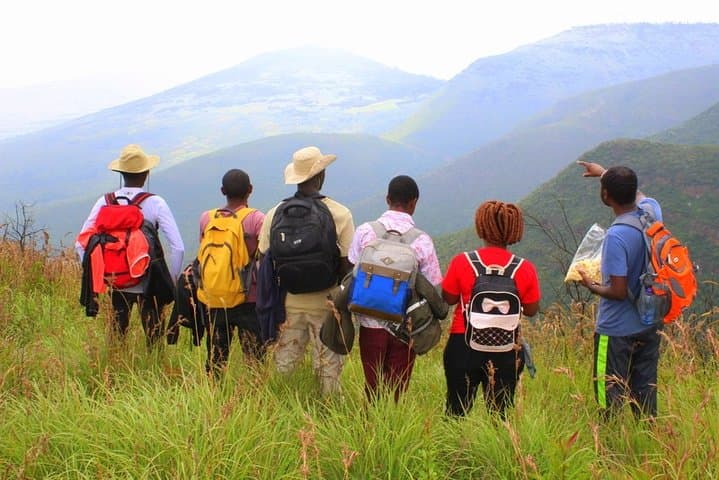
The trail opens with a cool, wooded rim that drops into a narrow valley; you feel the air change as you descend toward the tunnels and waterfalls. Low ridgelines frame wide views back to the Nairobi skyline on clear days, while the route threads through eucalyptus stands, grassland, and rocky outcrops. The dark tunnel — a local swath of shaded rock and moss — channels the waterfalls into a short gorge where water darts and pools.
The trail opens with a cool, wooded rim that drops into a narrow valley; you feel the air change as you descend toward the tunnels and waterfalls. Low ridgelines frame wide views back to the Nairobi skyline on clear days, while the route threads through eucalyptus stands, grassland, and rocky outcrops. The dark tunnel — a local swath of shaded rock and moss — channels the waterfalls into a short gorge where water darts and pools.
Geologically, Kijabe sits on the highlands west of the Rift Valley, where volcanic flows and tectonic uplift created steep scarps and steep drainage lines. Culturally, the area has long been a corridor between Nairobi and the central highlands; small Kikuyu farming communities and missionary-era clinics dot the approach roads. The hike mixes human history (old footpaths and farm tracks) with raw geology: fractured basalt and layered volcanic ash underfoot lead to compacted soils around the streams.
Expect variable footing, short steep pitches, and several creek crossings that can be slippery after rain. Wildlife is quiet but present — birds, small mammals, and the occasional mongoose patrol the edges. Guides point out local plants used in traditional medicine and describe how the hills shaped settlement patterns.
Practical notes: start early to avoid heat and afternoon showers, bring waterproof footwear and at least 2 liters of water, and be ready for up to 8 hours on mixed terrain. Mobile coverage is patchy; a local guide improves both navigation and cultural context.