THE ADVENTURE COLLECTIVE® · Independent discovery and booking for outdoor travel

A clear, turquoise pool rises from limestone in the dry scrub outside Arusha—Kikuletwa (Chemka) Hot Springs makes for an easy full-day swim and picnic with views toward Kilimanjaro. Read on for what to expect, how to prepare, and local tips.
A clear, turquoise pool rises from limestone in the dry scrub outside Arusha—Kikuletwa (Chemka) Hot Springs makes for an easy full-day swim and picnic with views toward Kilimanjaro. Read on for what to expect, how to prepare, and local tips.
The turquoise pool waits like an unexpected oasis beneath a wide, sun-bleached sky—palm fronds brushing slow circles above clear water that surfaces from deep limestone cracks. Arriving from Arusha, a dust-road ribbon through villages and onion fields drops you at a patch of shade and roots; the spring's calm surface reflects a patchwork of palms and sky.
Verified experiences and guided adventures in the surrounding area.
Operated by Rupia Adventure · Boma Ng'ombe, Kilimanjaro Region
The turquoise pool waits like an unexpected oasis beneath a wide, sun-bleached sky—palm fronds brushing slow circles above clear water that surfaces from deep limestone cracks. Arriving from Arusha, a dust-road ribbon through villages and onion fields drops you at a patch of shade and roots; the spring's calm surface reflects a patchwork of palms and sky.
Geologically the spring is forced up through fractured volcanic and sedimentary rock; groundwater meets the surface here in steady, cool flow rather than boiling heat. Locals call it Chemka and Kikuletwa—names that map the site across guides and conversation—and the spring has long served as a communal swim and picnic spot rather than a source of drinking water: natural fluoride levels make ingestion unsafe.
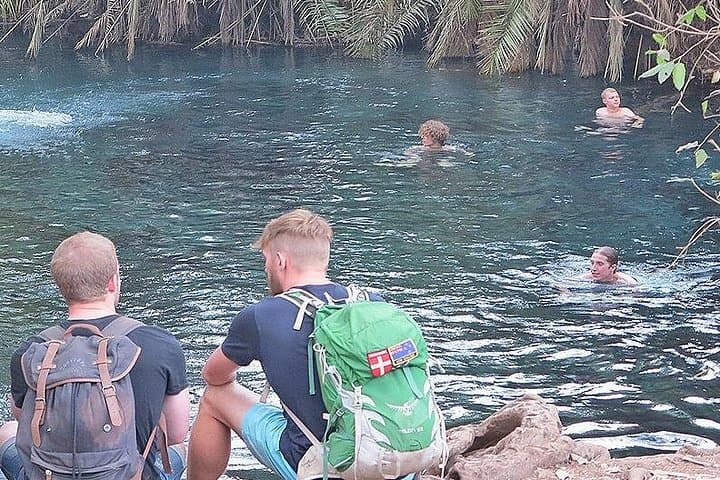
Culturally, the site is simple and social: mattress-shaded rest areas, small vendors, and swimmers sharing space with local families. On a clear day Kilimanjaro's silhouette reads the horizon, a distant mass that frames an otherwise intimate riverscape.
Practical guidance: plan a full-day from Arusha (pickup and return are typically included). Expect shallow banks that slope abruptly into areas over 6 meters deep—life vests or flotation for weaker swimmers are wise. Bring water and snacks (do not drink spring water), reef or water shoes for submerged roots and stones, and sun protection; mid-morning or late afternoon visits avoid peak sun and heat. Respect local spaces, pay small vendor fees when offered, and leave no trace—pack out rubbish and avoid soaps in the spring. Whether you come for a quick dip or a long, lazy afternoon, Chemka offers a clear, cooling pause on a road through Tanzania's dry country.
No—the spring is pleasantly warm or cool depending on the season; it is not a geothermal hot spring despite the name.
No. Natural fluoride concentration is high, so do not drink spring water; bring your own bottled or filtered water.
Most day tours account for about 1–2 hours each way from Arusha depending on traffic and exact pickup location, and the full itinerary is about 10 hours.
Yes with supervision—banks slope into sections over 6 meters deep, so life vests and close adult oversight are recommended for young swimmers.
Rupia Adventure operates guided outdoor trips and adventures with an emphasis on safety, stewardship, and memorable experiences.
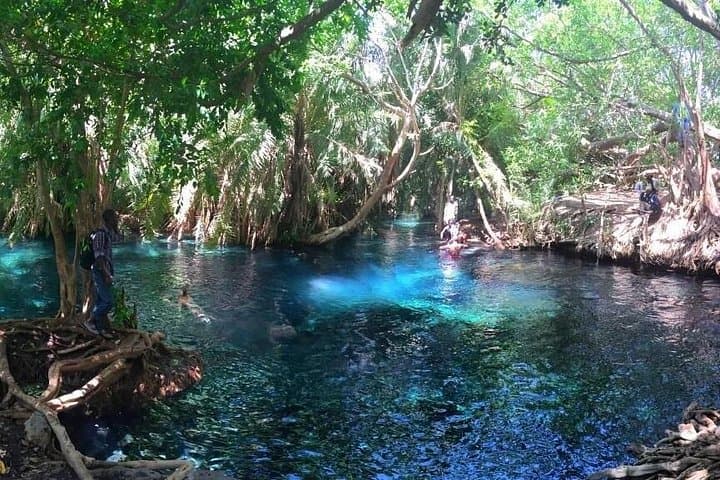
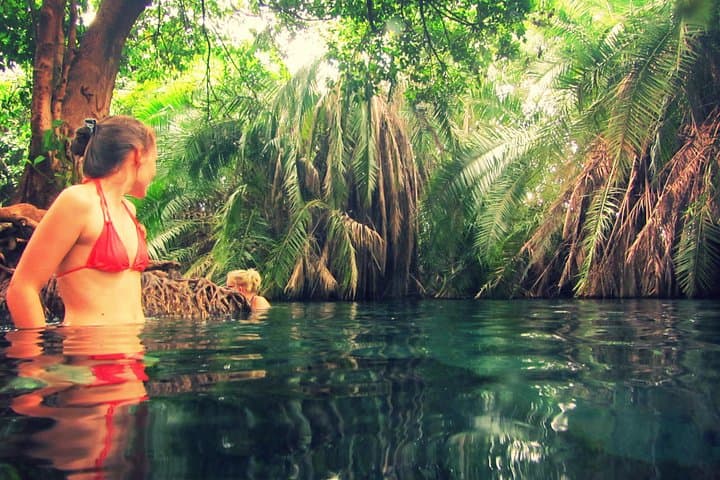

The turquoise pool waits like an unexpected oasis beneath a wide, sun-bleached sky—palm fronds brushing slow circles above clear water that surfaces from deep limestone cracks. Arriving from Arusha, a dust-road ribbon through villages and onion fields drops you at a patch of shade and roots; the spring's calm surface reflects a patchwork of palms and sky.
The turquoise pool waits like an unexpected oasis beneath a wide, sun-bleached sky—palm fronds brushing slow circles above clear water that surfaces from deep limestone cracks. Arriving from Arusha, a dust-road ribbon through villages and onion fields drops you at a patch of shade and roots; the spring's calm surface reflects a patchwork of palms and sky.
Geologically the spring is forced up through fractured volcanic and sedimentary rock; groundwater meets the surface here in steady, cool flow rather than boiling heat. Locals call it Chemka and Kikuletwa—names that map the site across guides and conversation—and the spring has long served as a communal swim and picnic spot rather than a source of drinking water: natural fluoride levels make ingestion unsafe.
Culturally, the site is simple and social: mattress-shaded rest areas, small vendors, and swimmers sharing space with local families. On a clear day Kilimanjaro's silhouette reads the horizon, a distant mass that frames an otherwise intimate riverscape.
Practical guidance: plan a full-day from Arusha (pickup and return are typically included). Expect shallow banks that slope abruptly into areas over 6 meters deep—life vests or flotation for weaker swimmers are wise. Bring water and snacks (do not drink spring water), reef or water shoes for submerged roots and stones, and sun protection; mid-morning or late afternoon visits avoid peak sun and heat. Respect local spaces, pay small vendor fees when offered, and leave no trace—pack out rubbish and avoid soaps in the spring. Whether you come for a quick dip or a long, lazy afternoon, Chemka offers a clear, cooling pause on a road through Tanzania's dry country.