THE ADVENTURE COLLECTIVE® · Independent discovery and booking for outdoor travel

A half-day escape from Moshi or Arusha to Chemka (Kikuletwa) Hot Springs—swim in crystalline pools beneath fig trees, try the rope swing, and enjoy a picnic by warm, spring-fed water. Ideal after Kilimanjaro or Meru treks or as a relaxed day off safari.
A half-day escape from Moshi or Arusha to Chemka (Kikuletwa) Hot Springs—swim in crystalline pools beneath fig trees, try the rope swing, and enjoy a picnic by warm, spring-fed water. Ideal after Kilimanjaro or Meru treks or as a relaxed day off safari.
You step off the minibus into a pocket of green: fig and palm roots tangle at the water’s edge, and turquoise pools reflect a bright African sky. The spring’s clear water laps against volcanic rock and a rope swing arcs over a deepening blue — an invitation to jump, cool off, and slow the pulse after a climb or safari.
Verified experiences and guided adventures in the surrounding area.
Operated by Miwaleni Travel · Moshi, Kilimanjaro Region
You step off the minibus into a pocket of green: fig and palm roots tangle at the water’s edge, and turquoise pools reflect a bright African sky. The spring’s clear water laps against volcanic rock and a rope swing arcs over a deepening blue — an invitation to jump, cool off, and slow the pulse after a climb or safari.
Geology here is straightforward and honest: groundwater filters through ancient volcanic basalts and re-emerges as a steady spring, creating pools with unusually clear visibility. The area sits on the lower slopes draining from Kilimanjaro and Meru, and the surrounding landscape shifts rapidly from sugar-cane fields to baobab-studded scrub as you drive back toward Moshi or Arusha. Local Chagga and Maasai communities dot the route; village life and roadside stalls offer a quiet cultural backdrop to the day.
Practically, expect about a half-day out from Moshi or Arusha (pickups commonly around 8:00). The site is family-friendly and low-impact: swimming, rope swings, short walks between pools, and picnic areas beneath shade. Bring water shoes for slippery roots, reef-friendly sunscreen, insect repellent, and a small dry bag for phones. Cash is useful for local purchases and tips; changing is informal—flip-flop between sun and shade to avoid midday heat.
Plan visits in the dry season for easier access and clearer water; wet months bring muddier approaches. Respect local customs, pack out trash, and let the springs be a restorative stop on your Tanzania itinerary — a simple, restorative counterpoint to the long effort of a trek or safari.
Typical pickup from Moshi or Arusha and return takes most of the day (about 8–9 hours total including transport and time at the springs); pickup times are commonly around 8:00 AM.
Despite the name, the springs are pleasantly warm to cool depending on flow and season—comfortable for swimming rather than scalding.
Facilities are basic: informal changing areas and pit/flush toilets at the site or nearby; bring hand sanitizer and a quick-dry cover-up.
Yes—swimming areas are family-friendly and the terrain is generally flat, but supervision is required around deeper pools and rope swings.
Miwaleni Travel operates guided outdoor trips and adventures with an emphasis on safety, stewardship, and memorable experiences.
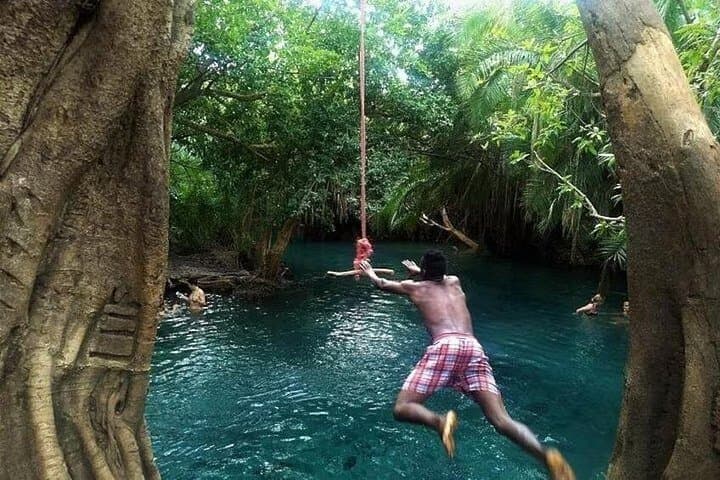
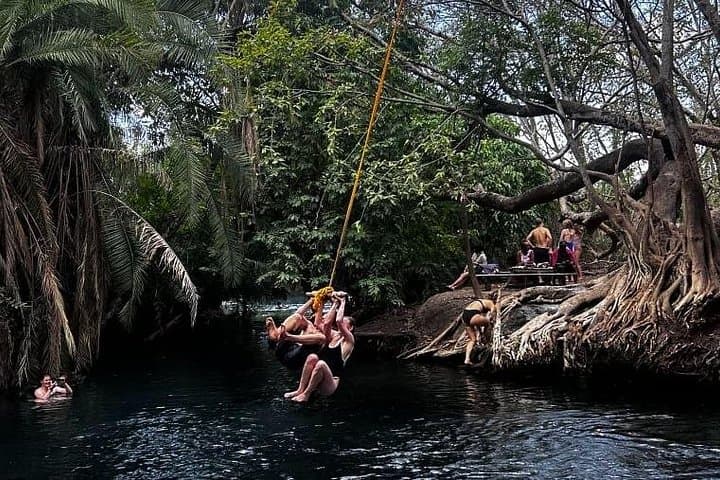

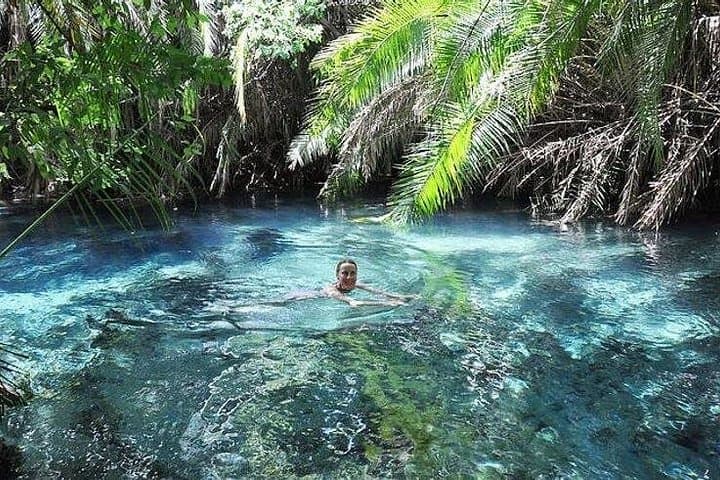
You step off the minibus into a pocket of green: fig and palm roots tangle at the water’s edge, and turquoise pools reflect a bright African sky. The spring’s clear water laps against volcanic rock and a rope swing arcs over a deepening blue — an invitation to jump, cool off, and slow the pulse after a climb or safari.
You step off the minibus into a pocket of green: fig and palm roots tangle at the water’s edge, and turquoise pools reflect a bright African sky. The spring’s clear water laps against volcanic rock and a rope swing arcs over a deepening blue — an invitation to jump, cool off, and slow the pulse after a climb or safari.
Geology here is straightforward and honest: groundwater filters through ancient volcanic basalts and re-emerges as a steady spring, creating pools with unusually clear visibility. The area sits on the lower slopes draining from Kilimanjaro and Meru, and the surrounding landscape shifts rapidly from sugar-cane fields to baobab-studded scrub as you drive back toward Moshi or Arusha. Local Chagga and Maasai communities dot the route; village life and roadside stalls offer a quiet cultural backdrop to the day.
Practically, expect about a half-day out from Moshi or Arusha (pickups commonly around 8:00). The site is family-friendly and low-impact: swimming, rope swings, short walks between pools, and picnic areas beneath shade. Bring water shoes for slippery roots, reef-friendly sunscreen, insect repellent, and a small dry bag for phones. Cash is useful for local purchases and tips; changing is informal—flip-flop between sun and shade to avoid midday heat.
Plan visits in the dry season for easier access and clearer water; wet months bring muddier approaches. Respect local customs, pack out trash, and let the springs be a restorative stop on your Tanzania itinerary — a simple, restorative counterpoint to the long effort of a trek or safari.