THE ADVENTURE COLLECTIVE® · Independent discovery and booking for outdoor travel

Float in warm, turquoise water fed by an underground spring and shaded by baobabs—Kikuletwa (Chemka) Hot Springs is a private, family-friendly swim stop about an hour from Moshi. Bring water shoes, cash for local fees, and plan an early start to beat the heat.
Float in warm, turquoise water fed by an underground spring and shaded by baobabs—Kikuletwa (Chemka) Hot Springs is a private, family-friendly swim stop about an hour from Moshi. Bring water shoes, cash for local fees, and plan an early start to beat the heat.
You arrive on a quiet road where baobabs watch like old sentries and the air smells faintly of wet earth. Turquoise water appears between trees—warm, clear, and inviting—pooling in a shallow natural basin fed by a steady underground spring. The guide motions toward a rope swing; locals laugh as floaters drift over the shallows while tiny fish flick through the light.
Verified experiences and guided adventures in the surrounding area.
Operated by Chamechamanaculturetourism · Kikuletwa (Chemka) Hot Springs, Kilimanjaro Region
You arrive on a quiet road where baobabs watch like old sentries and the air smells faintly of wet earth. Turquoise water appears between trees—warm, clear, and inviting—pooling in a shallow natural basin fed by a steady underground spring. The guide motions toward a rope swing; locals laugh as floaters drift over the shallows while tiny fish flick through the light.
The springs—often called Chemka—are the result of groundwater emerging where aquifers meet a fissured limestone shelf, creating a steady, mineral-rich pool that communities have used for generations. The landscape around the spring is rural and agricultural: cornfields, scattered homesteads and paths worn by people moving between villages. Local guides often explain how the spring supports nearby livestock and small-scale farming, and how a modest village development fee funds upkeep.
Expect simple infrastructure: changing areas, a picnic spot under shade, and a short, flat walking loop through native trees where kingfishers and monitor lizards are commonly seen. There’s minimal current; the water invites floating, snorkeling for small fish, or a lazy swing from ropes tied to branches.
Practical side: arrive early to avoid the heat and the busiest hours, bring water shoes for the rocky edges and reef-safe sunscreen, and carry a small amount of cash for the entrance and village fees. The round-trip drive from Moshi takes roughly 1–2 hours depending on your pickup point. This is an easy, family-friendly outing best paired with a morning start and a relaxed afternoon return to town.
Expect about 1–2 hours from Moshi and up to 2.5 hours from Arusha depending on traffic and pickup location.
Yes—locals and guides regularly use the spring; avoid entering if you have open wounds and don’t use soaps that could contaminate the pool.
The activity is family-friendly; basic wheelchair access is noted for transportation and flat areas, but shore entry may be uneven—ask the operator about specific accessibility needs.
Light snorkeling is possible to view small fish; compact gear is fine and sometimes provided or available to rent locally.
Chamechamanaculturetourism operates guided outdoor trips and adventures with an emphasis on safety, stewardship, and memorable experiences.
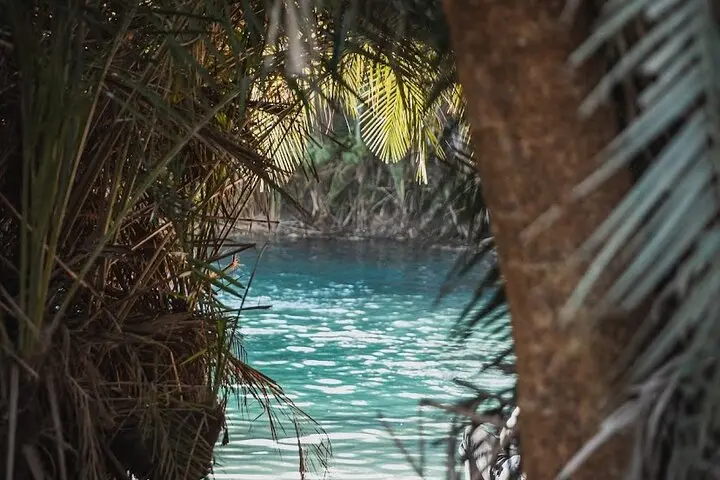
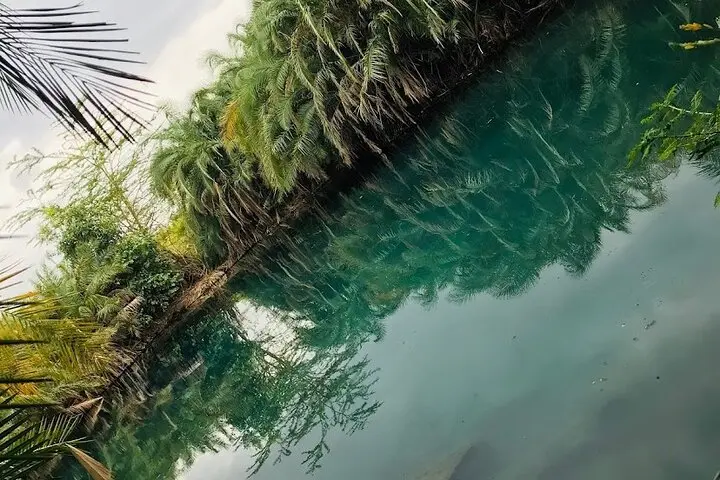
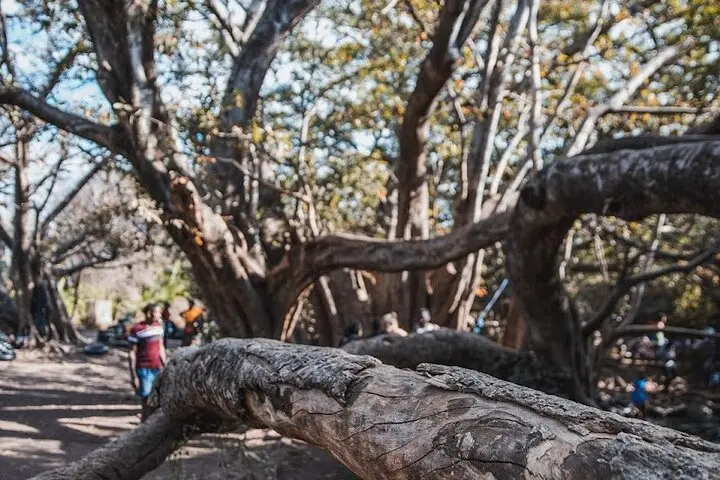
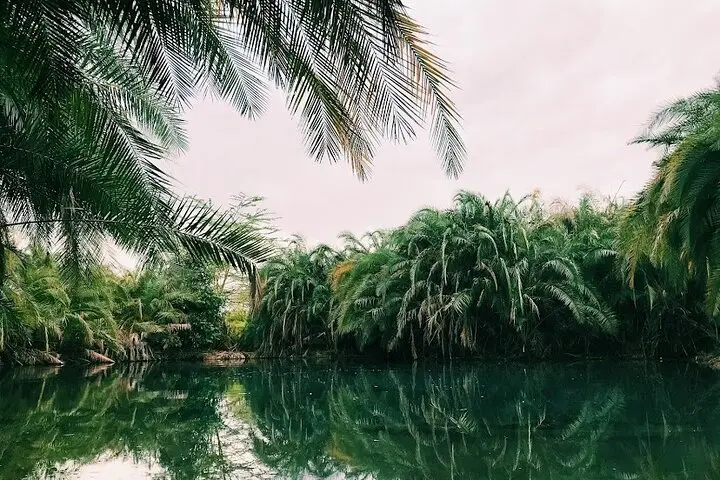
You arrive on a quiet road where baobabs watch like old sentries and the air smells faintly of wet earth. Turquoise water appears between trees—warm, clear, and inviting—pooling in a shallow natural basin fed by a steady underground spring. The guide motions toward a rope swing; locals laugh as floaters drift over the shallows while tiny fish flick through the light.
You arrive on a quiet road where baobabs watch like old sentries and the air smells faintly of wet earth. Turquoise water appears between trees—warm, clear, and inviting—pooling in a shallow natural basin fed by a steady underground spring. The guide motions toward a rope swing; locals laugh as floaters drift over the shallows while tiny fish flick through the light.
The springs—often called Chemka—are the result of groundwater emerging where aquifers meet a fissured limestone shelf, creating a steady, mineral-rich pool that communities have used for generations. The landscape around the spring is rural and agricultural: cornfields, scattered homesteads and paths worn by people moving between villages. Local guides often explain how the spring supports nearby livestock and small-scale farming, and how a modest village development fee funds upkeep.
Expect simple infrastructure: changing areas, a picnic spot under shade, and a short, flat walking loop through native trees where kingfishers and monitor lizards are commonly seen. There’s minimal current; the water invites floating, snorkeling for small fish, or a lazy swing from ropes tied to branches.
Practical side: arrive early to avoid the heat and the busiest hours, bring water shoes for the rocky edges and reef-safe sunscreen, and carry a small amount of cash for the entrance and village fees. The round-trip drive from Moshi takes roughly 1–2 hours depending on your pickup point. This is an easy, family-friendly outing best paired with a morning start and a relaxed afternoon return to town.