THE ADVENTURE COLLECTIVE® · Independent discovery and booking for outdoor travel

Crystal-clear, warm springs, a rope swing, and potential views of Kilimanjaro define this accessible day trip from Moshi. Read on for the geology, local context, and practical tips to plan your visit.
Crystal-clear, warm springs, a rope swing, and potential views of Kilimanjaro define this accessible day trip from Moshi. Read on for the geology, local context, and practical tips to plan your visit.
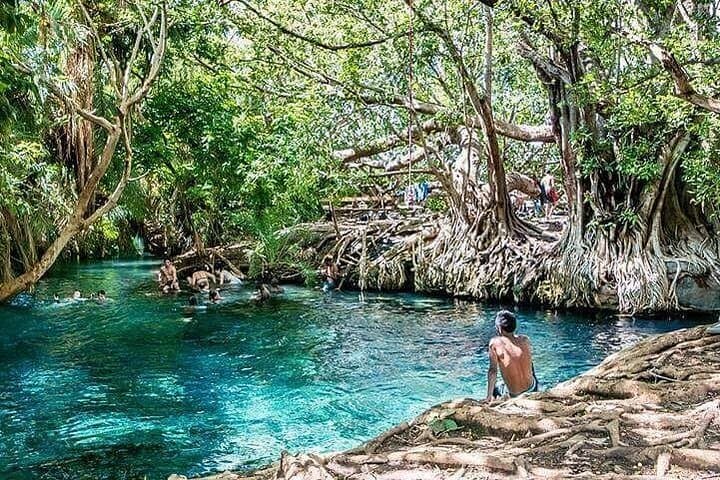
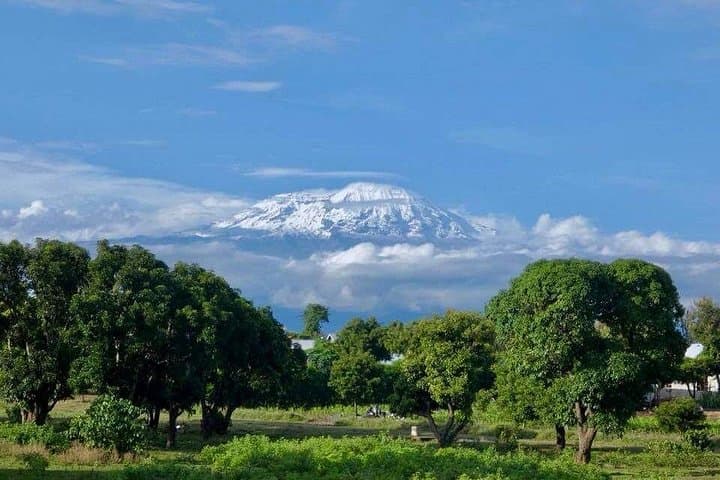
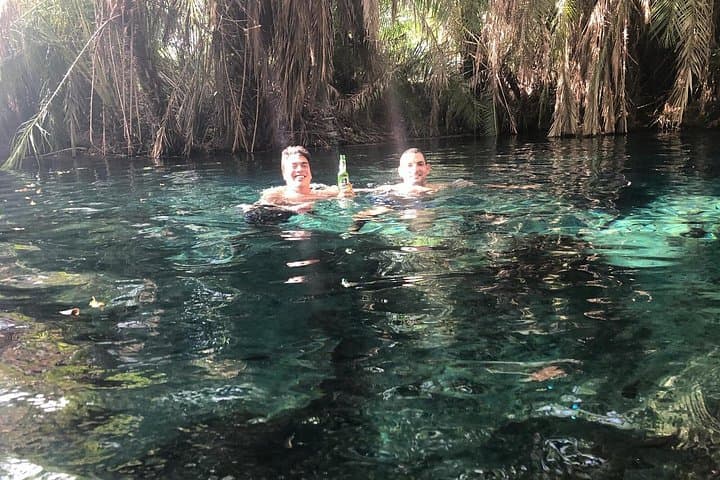
A warm, turquoise pool opens like a private mirror under a thick green canopy—steam rising lightly where groundwater meets air. At Kikuletwa (often called Maji Moto) the spring’s clarity pulls you close: palms shade the banks, a rope swing dares the brave, and on a clear day the profile of Kilimanjaro watches from a distance.
Verified experiences and guided adventures in the surrounding area.
Operated by Kili Footprints · Moshi, Kilimanjaro Region
A warm, turquoise pool opens like a private mirror under a thick green canopy—steam rising lightly where groundwater meets air. At Kikuletwa (often called Maji Moto) the spring’s clarity pulls you close: palms shade the banks, a rope swing dares the brave, and on a clear day the profile of Kilimanjaro watches from a distance.
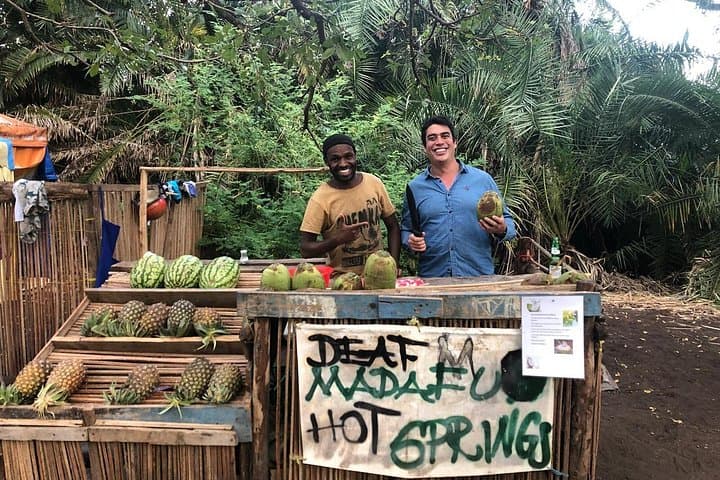
Geology here is immediate and visible: groundwater warmed by the Rift’s geothermal activity surfaces through limestone and volcanic deposits to form the calm, spring-fed lagoon. The name Maji Moto literally means “hot water” in Swahili, and local communities have long used the site for cooling, washing, and respite between farm cycles. Nearby villages still grow coffee and bananas; the spring functions as both a tourist stop and local gathering place.
For visitors the experience is straightforward and low-effort—this is a day trip best paired with easy walking, swimming, and shaded lounging. Expect about seven hours for round-trip transport, time at the spring, and a simple lunch; private transfers often include pickup from Moshi. Practical notes: the water stays warm year-round, shade is limited at midday, and visibility of Kilimanjaro depends on low-humidity mornings. Leave no trace—avoid soap or sunscreen in the pool, pack out plastic, and tip local staff.
Bring water shoes for the rocky entry, insect repellent for dusk, and a lightweight change of clothes. Whether you jump the swing or float quietly, the spring moves at its own steady pace—inviting, patient, and quietly insistive that you slow down.
Typical transfers from Moshi take about 1–1.5 hours each way depending on traffic and road conditions.
Yes—water is calm and relatively shallow near banks, but supervise children and consider life jackets for non-swimmers.
On clear mornings you may get views of Kilimanjaro’s silhouette; haze and clouds often reduce visibility later in the day.
Basic shaded picnic areas and a simple lunch are typically provided on tour; bring cash for extra snacks or souvenirs.
Kili Footprints operates guided outdoor trips and adventures with an emphasis on safety, stewardship, and memorable experiences.
A warm, turquoise pool opens like a private mirror under a thick green canopy—steam rising lightly where groundwater meets air. At Kikuletwa (often called Maji Moto) the spring’s clarity pulls you close: palms shade the banks, a rope swing dares the brave, and on a clear day the profile of Kilimanjaro watches from a distance.
A warm, turquoise pool opens like a private mirror under a thick green canopy—steam rising lightly where groundwater meets air. At Kikuletwa (often called Maji Moto) the spring’s clarity pulls you close: palms shade the banks, a rope swing dares the brave, and on a clear day the profile of Kilimanjaro watches from a distance.
Geology here is immediate and visible: groundwater warmed by the Rift’s geothermal activity surfaces through limestone and volcanic deposits to form the calm, spring-fed lagoon. The name Maji Moto literally means “hot water” in Swahili, and local communities have long used the site for cooling, washing, and respite between farm cycles. Nearby villages still grow coffee and bananas; the spring functions as both a tourist stop and local gathering place.
For visitors the experience is straightforward and low-effort—this is a day trip best paired with easy walking, swimming, and shaded lounging. Expect about seven hours for round-trip transport, time at the spring, and a simple lunch; private transfers often include pickup from Moshi. Practical notes: the water stays warm year-round, shade is limited at midday, and visibility of Kilimanjaro depends on low-humidity mornings. Leave no trace—avoid soap or sunscreen in the pool, pack out plastic, and tip local staff.
Bring water shoes for the rocky entry, insect repellent for dusk, and a lightweight change of clothes. Whether you jump the swing or float quietly, the spring moves at its own steady pace—inviting, patient, and quietly insistive that you slow down.