
Kīlauea & Volcanoes National Park Day Trip: Kona to Halemaʻumaʻu
See Kīlauea’s active landscapes, walk a lava tube, and taste Kona coffee on a full-day trip from the Big Island’s west side. Expect dramatic geology, limited services, and a cultural lens on Pele’s home.
An Adventure In Hilo.
See Kīlauea’s active landscapes, walk a lava tube, and taste Kona coffee on a full-day trip from the Big Island’s west side. Expect dramatic geology, limited services, and a cultural lens on Pele’s home.
Read the full experience
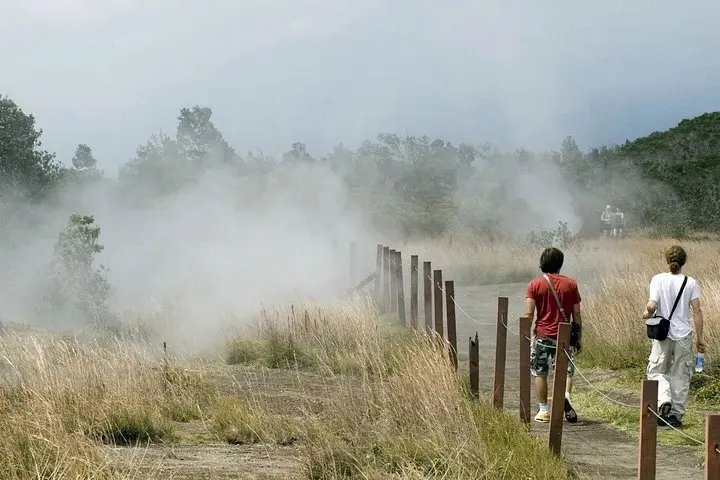
A morning on the Big Island begins with the road unspooling toward sagging clouds and the smell of wet earth. Travelers move from the Kona coffee belt through seaside scrub to the raw, smoking edges of Kīlauea, where steam vents exhale and the land feels newly formed.
A morning on the Big Island begins with the road unspooling toward sagging clouds and the smell of wet earth. Travelers move from the Kona coffee belt through seaside scrub to the raw, smoking edges of Kīlauea, where steam vents exhale and the land feels newly formed.
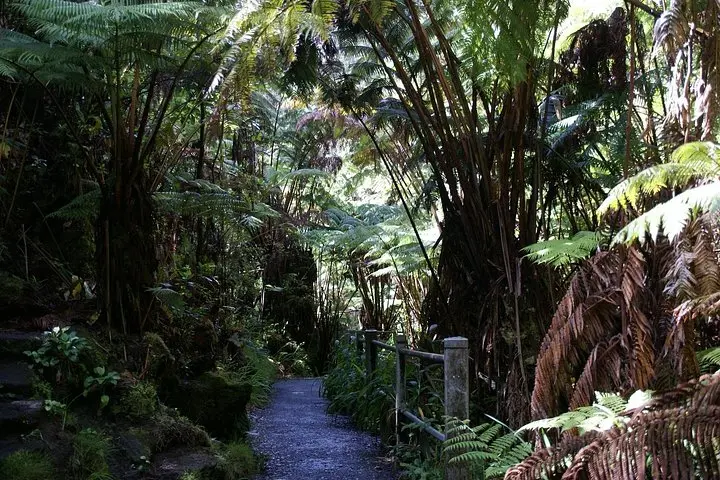
The route crosses lava flows and rainforest that record the island’s biography: ancient pāhoehoe and ʻaʻā lavas, the collapsed floors of past eruptions, and petroglyphs and cultural sites tied to Native Hawaiian reverence for Pele. Geology lessons play out as you pass Mauna Loa’s slopes and arrive at Halemaʻumaʻu Crater—a living cauldron where heat, gas, and light mark a place still shaping the shoreline miles below.
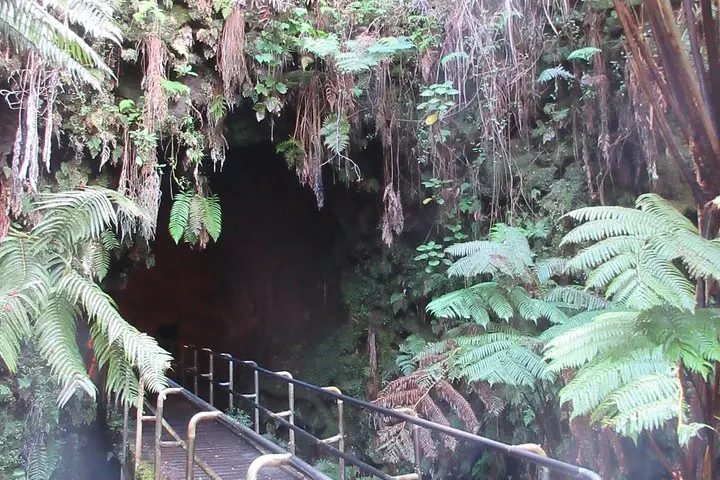
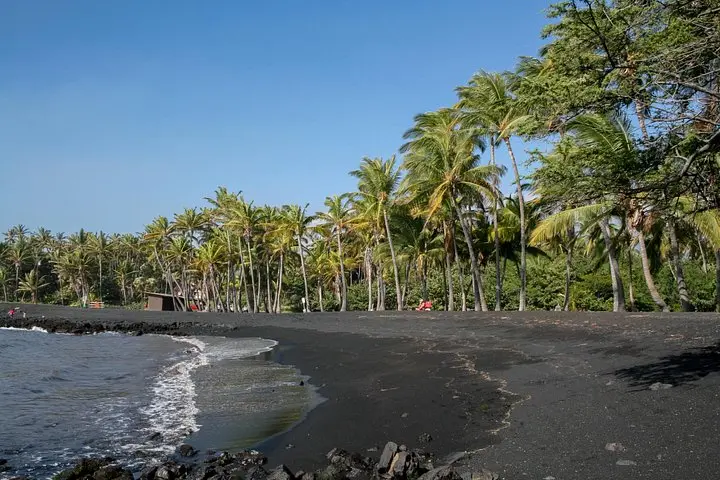
Cultural context is ever-present; guides point out places of historical significance and local practices that honor the land. Stops include a Kona coffee farm—an agricultural landscape etched into volcanic soil—Punaluʻu’s black sand beach with its resting honu (green sea turtles), and Thurston Lava Tube, where you walk inside what lava once created.
Practical guidance: expect variable weather and limited services—layers and a rain shell are essential. Trails range from paved overlooks to rough volcanic rock; sturdy, closed-toe shoes and water are non-negotiable. Allow a full day (8–10 hours) for transit and exploration; cell service is unreliable so download maps and carry a paper plan. Respect posted closures and cultural sites, and keep distance from steam vents and unstable cliff edges. This is a visceral, informative day that pairs dramatic geology with living Hawaiian culture.
Frequently asked questions
The tour runs about 8–10 hours and typically includes Kona coffee country, Punaluʻu Black Sand Beach, Volcanoes National Park (visitor center, Kīlauea overlooks, Thurston Lava Tube, steam vents), and a stop at Punaluʻu Bake Shop.
The park is actively monitored; hazards include volcanic gases, unstable edges, and changing conditions—follow ranger guidance and stay on marked trails to minimize risk.
Meals are not included; there’s a scheduled stop at Punaluʻu Bake Shop and limited food options inside the park, so bring snacks or cash for local vendors.
Volcanic gases like sulfur dioxide can aggravate respiratory conditions—consult a doctor and notify the operator; some areas may be avoided for safety.
About This Experience
Aloha Sunshine Tours operates guided outdoor trips and adventures with an emphasis on safety, stewardship, and memorable experiences.
Adventure tips
Recommended gear
- Closed-toe hiking shoes: Protects feet from sharp volcanic rock and provides traction on mixed terrain.
- Light insulating layer and rain jacket: High-elevation showers and wind make layering essential; a packable rain shell keeps you comfortable.
- Reusable water bottle (1–2 L): Limited services in the park mean water refill options can be scarce—stay hydrated throughout the day.
- Sun protection (hat, SPF, sunglasses): Open lava fields offer little shade; sun protection helps on exposed overlooks and coastal stops.
Photos of the experience
Related adventures & guides
Read the full experience
A morning on the Big Island begins with the road unspooling toward sagging clouds and the smell of wet earth. Travelers move from the Kona coffee belt through seaside scrub to the raw, smoking edges of Kīlauea, where steam vents exhale and the land feels newly formed.
A morning on the Big Island begins with the road unspooling toward sagging clouds and the smell of wet earth. Travelers move from the Kona coffee belt through seaside scrub to the raw, smoking edges of Kīlauea, where steam vents exhale and the land feels newly formed.
The route crosses lava flows and rainforest that record the island’s biography: ancient pāhoehoe and ʻaʻā lavas, the collapsed floors of past eruptions, and petroglyphs and cultural sites tied to Native Hawaiian reverence for Pele. Geology lessons play out as you pass Mauna Loa’s slopes and arrive at Halemaʻumaʻu Crater—a living cauldron where heat, gas, and light mark a place still shaping the shoreline miles below.
Cultural context is ever-present; guides point out places of historical significance and local practices that honor the land. Stops include a Kona coffee farm—an agricultural landscape etched into volcanic soil—Punaluʻu’s black sand beach with its resting honu (green sea turtles), and Thurston Lava Tube, where you walk inside what lava once created.
Practical guidance: expect variable weather and limited services—layers and a rain shell are essential. Trails range from paved overlooks to rough volcanic rock; sturdy, closed-toe shoes and water are non-negotiable. Allow a full day (8–10 hours) for transit and exploration; cell service is unreliable so download maps and carry a paper plan. Respect posted closures and cultural sites, and keep distance from steam vents and unstable cliff edges. This is a visceral, informative day that pairs dramatic geology with living Hawaiian culture.
Make a day of it nearby.
Verified experiences and guided adventures in the surrounding area.