THE ADVENTURE COLLECTIVE® · Independent discovery and booking for outdoor travel

In a sunlit Moshi kitchen with Kilimanjaro on the horizon, the Kili View Tanzanian Cooking Class teaches hands‑on Chagga recipes—ugali, banana stews and coastal curries—paired with local coffee and stories of mountain farming. Spend three hours cooking, eating and learning in a small-group setting.
In a sunlit Moshi kitchen with Kilimanjaro on the horizon, the Kili View Tanzanian Cooking Class teaches hands‑on Chagga recipes—ugali, banana stews and coastal curries—paired with local coffee and stories of mountain farming. Spend three hours cooking, eating and learning in a small-group setting.
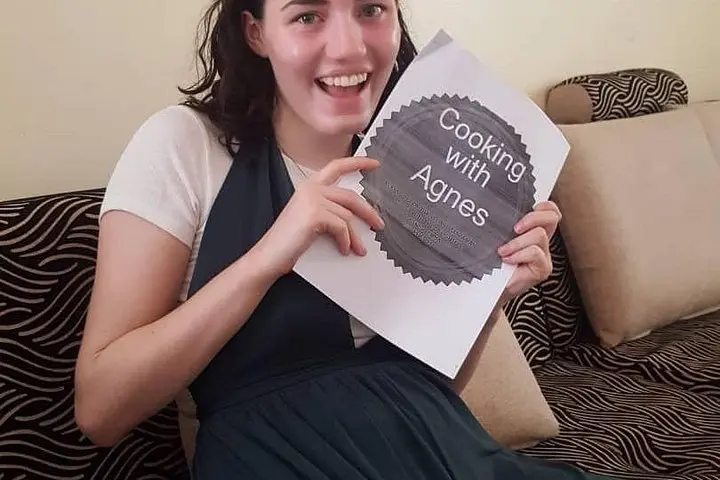
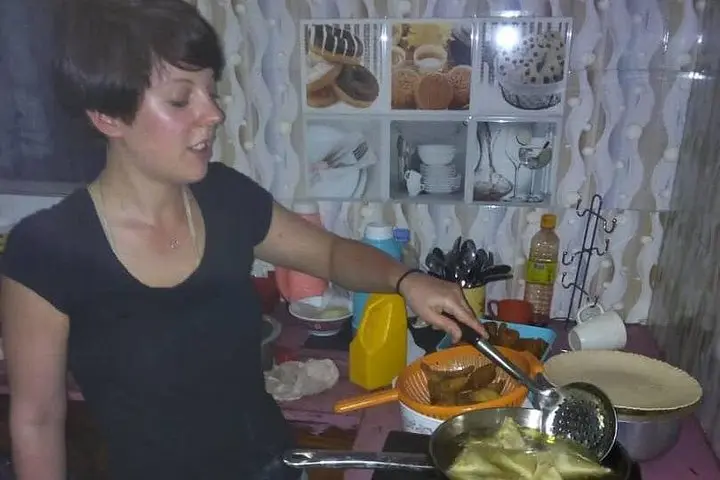
Steam lifts from a simmering pot and the silhouette of Kilimanjaro looms through an open kitchen window: that first inhale is the clearest introduction to the Kili View Tanzanian Cooking Class. In a modest Moshi kitchen just across from the bus stand, local cooks move with the same ease they use to read weather off the mountain—adding a handful of spices, tasting, and nudging a comal to the right temperature. The class trades showmanship for participation: attendees chop, stir and plate ingredients that trace the slopes of Kilimanjaro back to the Chagga households who farm its fertile soils.
Verified experiences and guided adventures in the surrounding area.
Operated by Kili view Tanzanian cooking class · Moshi, Kilimanjaro Region
Steam lifts from a simmering pot and the silhouette of Kilimanjaro looms through an open kitchen window: that first inhale is the clearest introduction to the Kili View Tanzanian Cooking Class. In a modest Moshi kitchen just across from the bus stand, local cooks move with the same ease they use to read weather off the mountain—adding a handful of spices, tasting, and nudging a comal to the right temperature. The class trades showmanship for participation: attendees chop, stir and plate ingredients that trace the slopes of Kilimanjaro back to the Chagga households who farm its fertile soils.
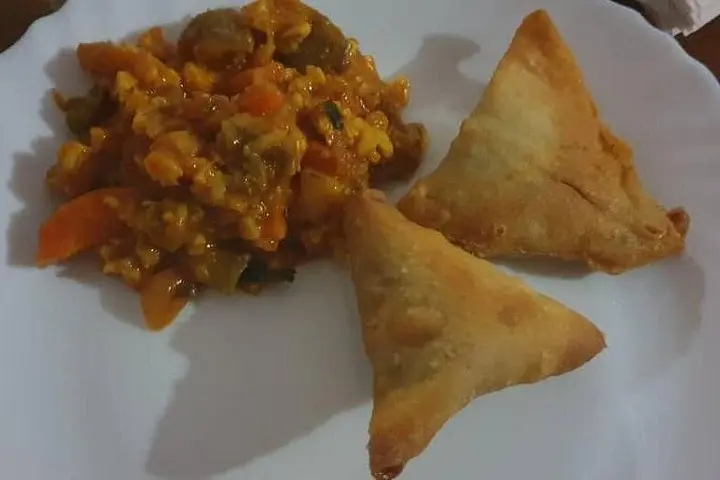
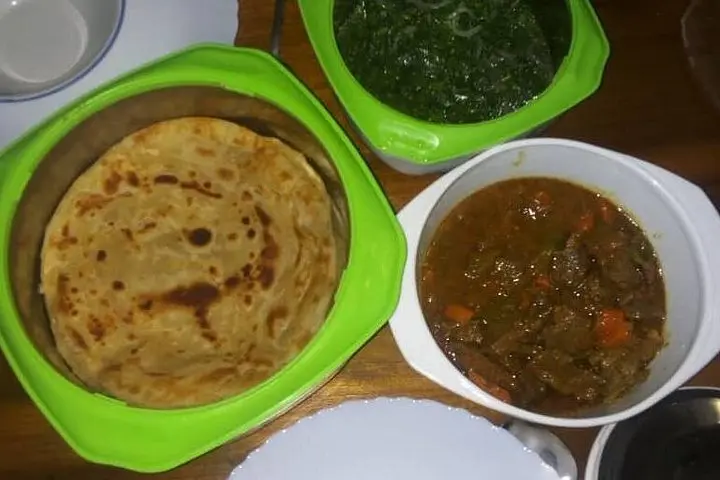
The recipe list is small but revealing. Expect to make staples such as ugali (stiff maize porridge), a banana-based stew influenced by Chagga plantain farming, and a tomato and coconut curry that nods to the wider East African spice routes. The region’s volcanic soils made the Kilimanjaro foothills among Tanzania’s oldest coffee-growing zones; coffee often finishes the meal, a reminder that these dishes grew alongside the trade goods that once moved down the mountain.
Geology and culture are threaded through the class. Mount Kilimanjaro—its ice-capped summit shrinking on climate timescales—creates microclimates: coffee farms at lower elevations, banana and vegetable plots mid-slope, and heather higher up. The Chagga people turned those gradients into a layered agricultural system; the cooking class mirrors that layered approach by pairing starches, stews, and sides designed to balance flavor and satiety.
Practicalities are straightforward. The experience runs three hours (roughly two hours of hands-on cooking, followed by an hour to eat). Pickup from Moshi can be arranged; otherwise the meeting point is across the Moshi bus stand. The class accommodates small groups (up to ten) and provides recipe handouts via email after the session. Transportation from the starting point is included in the package and the venue is wheelchair accessible.
For travelers, bring curiosity more than culinary skill—no prior experience is required. Inform the operator of dietary restrictions when booking; they can alter menus for vegetarians or guests with allergies. Wear closed-toe shoes for long standing, and carry a refillable water bottle: East African kitchens get hot, fast. Arrive with a camera ready—there are quiet moments of light as the sun moves across Kili, and the shared meal is as much a cultural exchange as a tasting.
This class is best for those who want a tactile, locally rooted food experience that pairs well with short treks or a coffee farm visit. It’s simple, grounded, and practical: a way to take home recipes and a clearer sense of how a mountain shapes everyday life in northern Tanzania.
No. The class is designed for beginners and experienced cooks alike; instructors guide every step.
The stated meeting point is across the Moshi bus stand; pickup from town can be arranged when you book.
Yes—vegetarian and allergy‑friendly variations are available if requested at booking.
Transportation from the starting point (go and return) is included as noted in the listing; confirm local pickup details after booking.
Yes—the facility and transportation options are listed as wheelchair accessible, but notify the operator of special needs in advance.
Yes—handouts are provided during the class and the instructor will email detailed recipes and directions after the session.
Kili view Tanzanian cooking class operates guided outdoor trips and adventures with an emphasis on safety, stewardship, and memorable experiences.
Steam lifts from a simmering pot and the silhouette of Kilimanjaro looms through an open kitchen window: that first inhale is the clearest introduction to the Kili View Tanzanian Cooking Class. In a modest Moshi kitchen just across from the bus stand, local cooks move with the same ease they use to read weather off the mountain—adding a handful of spices, tasting, and nudging a comal to the right temperature. The class trades showmanship for participation: attendees chop, stir and plate ingredients that trace the slopes of Kilimanjaro back to the Chagga households who farm its fertile soils.
Steam lifts from a simmering pot and the silhouette of Kilimanjaro looms through an open kitchen window: that first inhale is the clearest introduction to the Kili View Tanzanian Cooking Class. In a modest Moshi kitchen just across from the bus stand, local cooks move with the same ease they use to read weather off the mountain—adding a handful of spices, tasting, and nudging a comal to the right temperature. The class trades showmanship for participation: attendees chop, stir and plate ingredients that trace the slopes of Kilimanjaro back to the Chagga households who farm its fertile soils.
The recipe list is small but revealing. Expect to make staples such as ugali (stiff maize porridge), a banana-based stew influenced by Chagga plantain farming, and a tomato and coconut curry that nods to the wider East African spice routes. The region’s volcanic soils made the Kilimanjaro foothills among Tanzania’s oldest coffee-growing zones; coffee often finishes the meal, a reminder that these dishes grew alongside the trade goods that once moved down the mountain.
Geology and culture are threaded through the class. Mount Kilimanjaro—its ice-capped summit shrinking on climate timescales—creates microclimates: coffee farms at lower elevations, banana and vegetable plots mid-slope, and heather higher up. The Chagga people turned those gradients into a layered agricultural system; the cooking class mirrors that layered approach by pairing starches, stews, and sides designed to balance flavor and satiety.
Practicalities are straightforward. The experience runs three hours (roughly two hours of hands-on cooking, followed by an hour to eat). Pickup from Moshi can be arranged; otherwise the meeting point is across the Moshi bus stand. The class accommodates small groups (up to ten) and provides recipe handouts via email after the session. Transportation from the starting point is included in the package and the venue is wheelchair accessible.
For travelers, bring curiosity more than culinary skill—no prior experience is required. Inform the operator of dietary restrictions when booking; they can alter menus for vegetarians or guests with allergies. Wear closed-toe shoes for long standing, and carry a refillable water bottle: East African kitchens get hot, fast. Arrive with a camera ready—there are quiet moments of light as the sun moves across Kili, and the shared meal is as much a cultural exchange as a tasting.
This class is best for those who want a tactile, locally rooted food experience that pairs well with short treks or a coffee farm visit. It’s simple, grounded, and practical: a way to take home recipes and a clearer sense of how a mountain shapes everyday life in northern Tanzania.