THE ADVENTURE COLLECTIVE® · Independent discovery and booking for outdoor travel

Sail the Kilim River through limestone cliffs and dense mangroves on a four-hour Langkawi cruise. Spot bats, eagles, and monitor lizards while learning about the park’s karst geology and conservation efforts.
Sail the Kilim River through limestone cliffs and dense mangroves on a four-hour Langkawi cruise. Spot bats, eagles, and monitor lizards while learning about the park’s karst geology and conservation efforts.
The boat slips away from the jetty and the island’s chatter recedes, leaving only the soft slap of water and the tang of brine. Towering limestone cliffs lean over the dark ribbon of the Kilim River, and mangrove roots braid into a living lattice that the boat threads through like a ship through an ancient library.
Verified experiences and guided adventures in the surrounding area.
Operated by Asian Trails LTD · Langkawi, Kedah
The boat slips away from the jetty and the island’s chatter recedes, leaving only the soft slap of water and the tang of brine. Towering limestone cliffs lean over the dark ribbon of the Kilim River, and mangrove roots braid into a living lattice that the boat threads through like a ship through an ancient library.
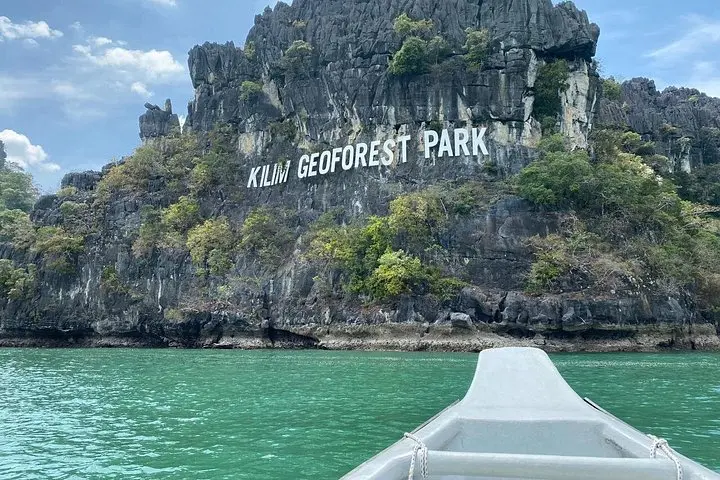
Kilim Karst Geoforest Park is part of the Langkawi UNESCO Global Geopark; its karst towers were sculpted by ancient seas and later uplifted, leaving sheer limestone faces peppered with caves. Human history here is maritime — fishers and small villages have long read the tides and relied on the mangroves for nursery grounds. Culture appears in floating restaurants and simple stilt houses where local fishermen still sell the day’s catch.
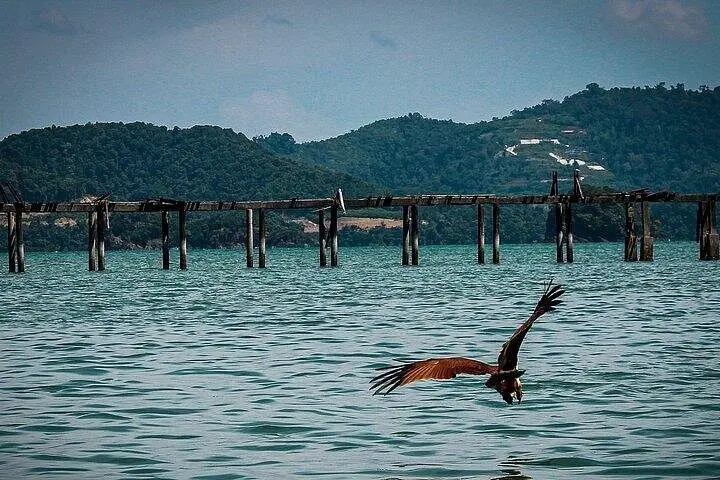
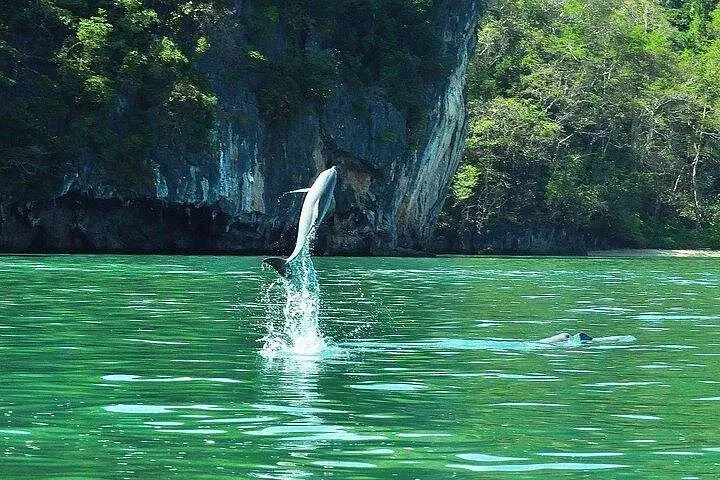
Wildlife is immediate: white-bellied sea eagles wheel overhead, macaques inspect your boat with blunt curiosity, and a bat cave reveals hundreds of fluttering bodies when a torch cuts the dark. The mangroves seem to test you — currents nudging the bow, roots daring your attention.
Practical guidance: tours run about four hours with hotel transfers; moderate fitness makes boarding and short walks easier. Expect narrow wooden boats, intermittent shade, and humidity; bring sun protection, a waterproof phone case, and modest clothing if you’ll visit village areas. Respect the ecosystem — avoid feeding wildlife and use reef-safe sunscreen to limit runoff.
The cruise is an accessible introduction to Langkawi’s geology and coastal ecology: intimate, educational, and shaped by the island’s tides and history.
Tours last about four hours and typically include hotel transfer, a guided boat cruise through Kilim River, a visit to a bat cave, wildlife viewing, and lunch at a local floating restaurant.
Children can join but infants must sit on an adult’s lap; the operator advises at least moderate fitness for safe boarding and short walks.
Some itineraries allow a quick dip if weather and tide permit, but always follow the guide’s safety instructions and avoid sensitive mangrove areas.
Yes — guides typically provide ecological and cultural commentary about the mangroves, karst formations, and local fisheries, highlighting conservation practices.
Asian Trails LTD operates guided outdoor trips and adventures with an emphasis on safety, stewardship, and memorable experiences.
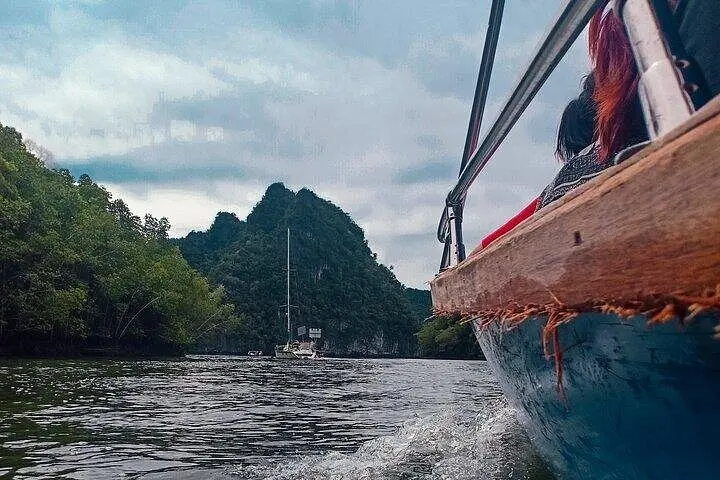
The boat slips away from the jetty and the island’s chatter recedes, leaving only the soft slap of water and the tang of brine. Towering limestone cliffs lean over the dark ribbon of the Kilim River, and mangrove roots braid into a living lattice that the boat threads through like a ship through an ancient library.
The boat slips away from the jetty and the island’s chatter recedes, leaving only the soft slap of water and the tang of brine. Towering limestone cliffs lean over the dark ribbon of the Kilim River, and mangrove roots braid into a living lattice that the boat threads through like a ship through an ancient library.
Kilim Karst Geoforest Park is part of the Langkawi UNESCO Global Geopark; its karst towers were sculpted by ancient seas and later uplifted, leaving sheer limestone faces peppered with caves. Human history here is maritime — fishers and small villages have long read the tides and relied on the mangroves for nursery grounds. Culture appears in floating restaurants and simple stilt houses where local fishermen still sell the day’s catch.
Wildlife is immediate: white-bellied sea eagles wheel overhead, macaques inspect your boat with blunt curiosity, and a bat cave reveals hundreds of fluttering bodies when a torch cuts the dark. The mangroves seem to test you — currents nudging the bow, roots daring your attention.
Practical guidance: tours run about four hours with hotel transfers; moderate fitness makes boarding and short walks easier. Expect narrow wooden boats, intermittent shade, and humidity; bring sun protection, a waterproof phone case, and modest clothing if you’ll visit village areas. Respect the ecosystem — avoid feeding wildlife and use reef-safe sunscreen to limit runoff.
The cruise is an accessible introduction to Langkawi’s geology and coastal ecology: intimate, educational, and shaped by the island’s tides and history.