THE ADVENTURE COLLECTIVE® · Independent discovery and booking for outdoor travel

Three days from Iringa into Ruaha National Park deliver wide savanna, kopjes, and sustained game drives where elephants, lions, and leopards appear on the park’s schedule. Read practical tips on timing, gear, and what to expect in camp and on the road.
Three days from Iringa into Ruaha National Park deliver wide savanna, kopjes, and sustained game drives where elephants, lions, and leopards appear on the park’s schedule. Read practical tips on timing, gear, and what to expect in camp and on the road.
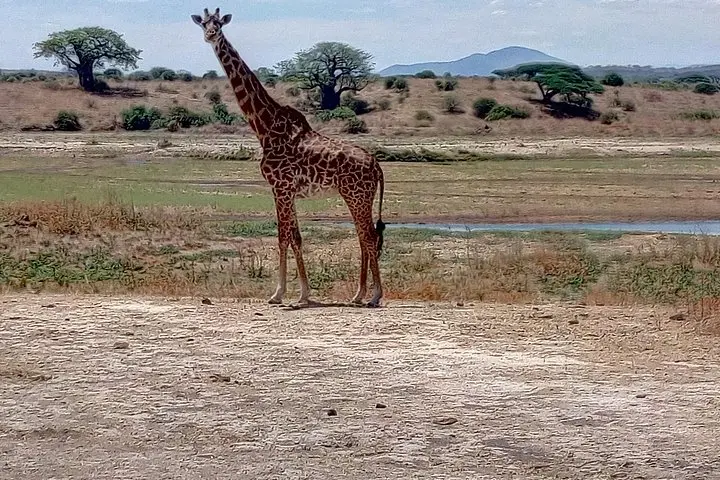
Dust lifts off the road as your vehicle cuts away from Iringa at dawn; sunlight finds the high grass before you do and the horizon tightens around an acacia silhouette. On this three‑day loop into Ruaha National Park the landscape changes in deliberate steps—open plains give way to rocky kopjes and broad riverbeds that invite a different kind of listening: birds calling, hooves on dry earth, and the occasional shutter of a distant predator.
Verified experiences and guided adventures in the surrounding area.
Operated by Kilimahewa safari · Iringa, Iringa Region
Dust lifts off the road as your vehicle cuts away from Iringa at dawn; sunlight finds the high grass before you do and the horizon tightens around an acacia silhouette. On this three‑day loop into Ruaha National Park the landscape changes in deliberate steps—open plains give way to rocky kopjes and broad riverbeds that invite a different kind of listening: birds calling, hooves on dry earth, and the occasional shutter of a distant predator.
Ruaha sits at the confluence of East African savanna and Miombo woodland. Geologically, the park rides on ancient Precambrian rock with eroded ridgelines that shape seasonal rivers; culturally the area has long ties to Hehe and other local communities who read the land by water sources and migration patterns. Expect stories from guides about traditional hunting routes and the park’s history as one of Tanzania’s largest protected areas.
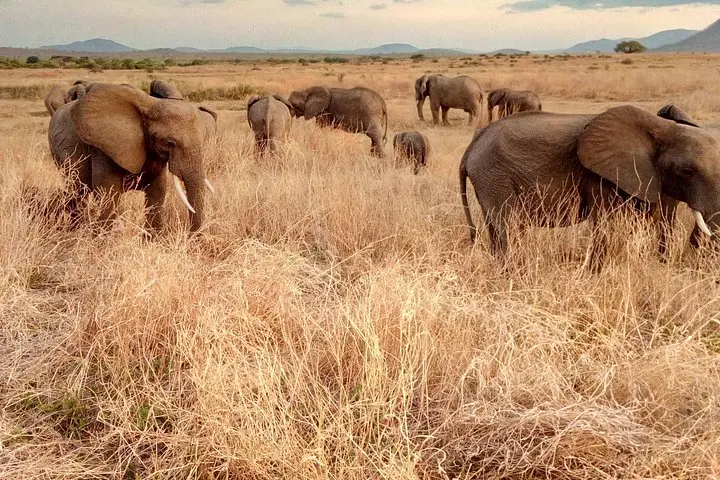
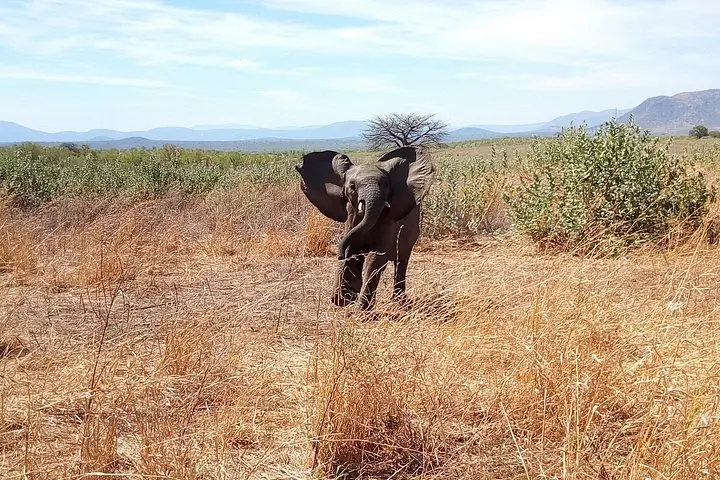
Wildlife here moves with weather—elephants press through bush, lions claim shaded kopjes, and leopard sightings reward patience. Mornings and evenings are prime for game drives when light pulls animals into silhouette and the heat eases.
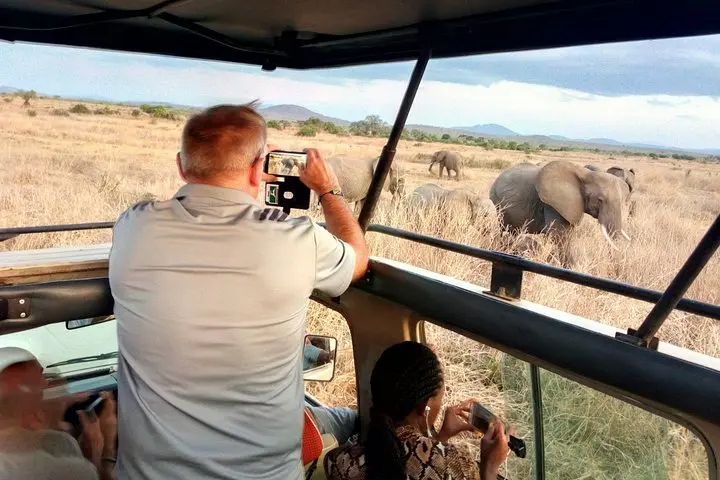
Practical guidance: bring layered clothing for cool mornings and hot middays, carry a refillable water bottle, and plan for long stints in a safari vehicle (short walks may be offered). Park fees and gate procedures take time—build buffer into your schedule. Accommodation ranges from basic bandas to campsite pitches; choose based on comfort and willingness to trade amenities for closer wildlife access.
This is a travel-forward safari: expect authentic game viewing, honest road travel, and a rhythm set by animal movement rather than clock time.
No; the itinerary suits first‑time visitors and experienced travelers alike—guides handle logistics and briefing for vehicle safety and wildlife viewing.
Accommodations range from basic bandas and cottages to camping; the operator lists lodge or camping options on booking and provides meals as noted.
Gate procedures and some admissions are included per the operator’s listing, but confirm exact fees at booking as national park charges can change.
The tour is promoted as accessible for a wide range of fitness levels; however, long vehicle hours and uneven ground may challenge some—ask the operator about vehicle access and assistance.
Kilimahewa safari operates guided outdoor trips and adventures with an emphasis on safety, stewardship, and memorable experiences.
Dust lifts off the road as your vehicle cuts away from Iringa at dawn; sunlight finds the high grass before you do and the horizon tightens around an acacia silhouette. On this three‑day loop into Ruaha National Park the landscape changes in deliberate steps—open plains give way to rocky kopjes and broad riverbeds that invite a different kind of listening: birds calling, hooves on dry earth, and the occasional shutter of a distant predator.
Dust lifts off the road as your vehicle cuts away from Iringa at dawn; sunlight finds the high grass before you do and the horizon tightens around an acacia silhouette. On this three‑day loop into Ruaha National Park the landscape changes in deliberate steps—open plains give way to rocky kopjes and broad riverbeds that invite a different kind of listening: birds calling, hooves on dry earth, and the occasional shutter of a distant predator.
Ruaha sits at the confluence of East African savanna and Miombo woodland. Geologically, the park rides on ancient Precambrian rock with eroded ridgelines that shape seasonal rivers; culturally the area has long ties to Hehe and other local communities who read the land by water sources and migration patterns. Expect stories from guides about traditional hunting routes and the park’s history as one of Tanzania’s largest protected areas.
Wildlife here moves with weather—elephants press through bush, lions claim shaded kopjes, and leopard sightings reward patience. Mornings and evenings are prime for game drives when light pulls animals into silhouette and the heat eases.
Practical guidance: bring layered clothing for cool mornings and hot middays, carry a refillable water bottle, and plan for long stints in a safari vehicle (short walks may be offered). Park fees and gate procedures take time—build buffer into your schedule. Accommodation ranges from basic bandas to campsite pitches; choose based on comfort and willingness to trade amenities for closer wildlife access.
This is a travel-forward safari: expect authentic game viewing, honest road travel, and a rhythm set by animal movement rather than clock time.