THE ADVENTURE COLLECTIVE® · Independent discovery and booking for outdoor travel

A classic 5‑day ascent from Marangu Gate to Uhuru Peak, this itinerary trades rainforest steps for alpine saddles and a midnight summit push. Expect long days, cold nights, and rewarding summit views with local guides and porters handling logistics.
A classic 5‑day ascent from Marangu Gate to Uhuru Peak, this itinerary trades rainforest steps for alpine saddles and a midnight summit push. Expect long days, cold nights, and rewarding summit views with local guides and porters handling logistics.
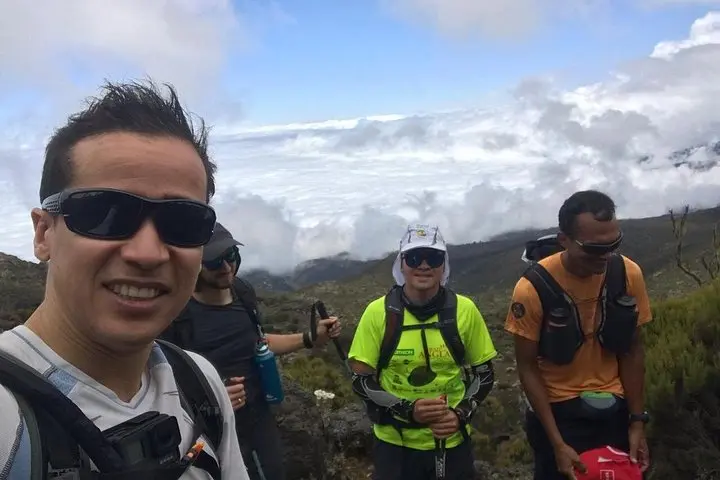
A pre-dawn hush hangs on the rainforest as guides call for boots and headlamps—this is Marangu Gate at first light, the place where your boots meet Kilimanjaro’s slow, relentless pull. Trees drip with mist and the trail immediately begins to climb, trading humid forest for alpine moorland and, ultimately, the stark lunar saddle below Kibo. The mountain moves around you: clouds pressing in, wind testing layers, and the summit—Uhuru Peak—shimmering like a distant promise.
Verified experiences and guided adventures in the surrounding area.
Operated by Kilinge Adventures · Moshi, Kilimanjaro Region
A pre-dawn hush hangs on the rainforest as guides call for boots and headlamps—this is Marangu Gate at first light, the place where your boots meet Kilimanjaro’s slow, relentless pull. Trees drip with mist and the trail immediately begins to climb, trading humid forest for alpine moorland and, ultimately, the stark lunar saddle below Kibo. The mountain moves around you: clouds pressing in, wind testing layers, and the summit—Uhuru Peak—shimmering like a distant promise.
Marangu’s path carries a human history as well as geological time: carved by ancient volcanic forces, Kilimanjaro’s volcanic cones Mawenzi and Kibo tell of eruptions that created Africa’s highest freestanding mountain. The Chagga people have long lived on its lower flanks, cultivating terraced farms and trading stories of the peaks. Guides and porters—integral to the route—bring local expertise and cultural insight; tipping and fair treatment are part of responsible trip planning.
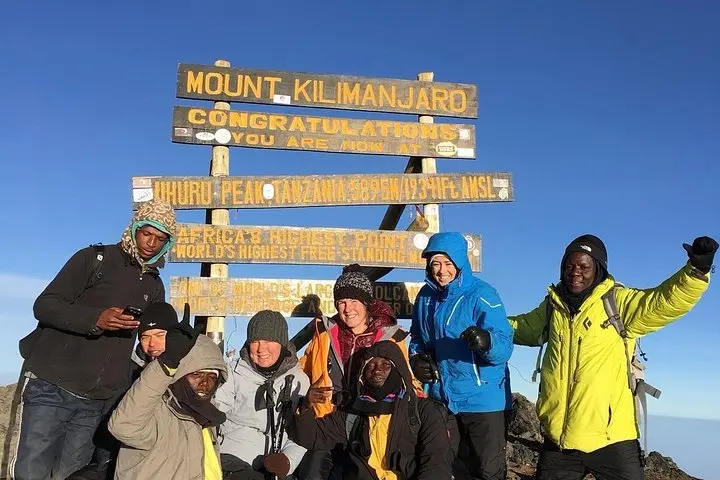
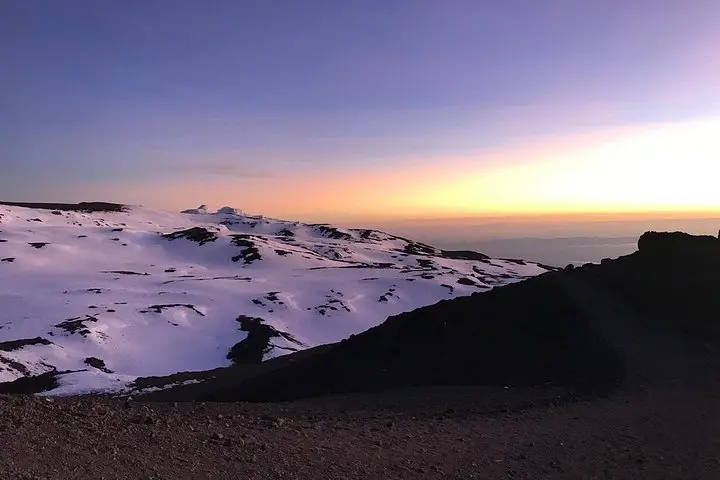
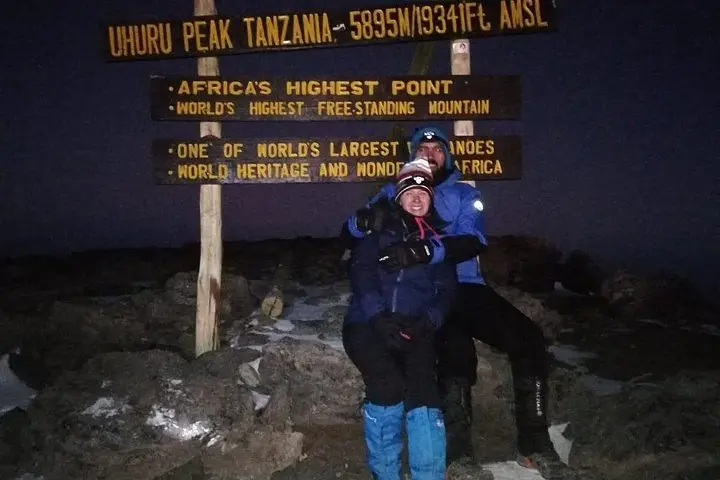
Practically: this 5‑day itinerary starts at Marangu Gate (~1,600 m), moves Mandara Hut (2,700 m), Horombo (3,700 m), Kibo (4,700 m) and a midnight summit push to Uhuru Peak (5,895 m) before descent. Expect sustained uphill hiking, cold nights, and a 12–16 hour summit day from Kibo. Hydrate, eat frequent small meals, and layer for wind and subzero summit temps. Use gaiters and a down jacket; bring a good sleeping bag rated to at least -10°C. Altitude is the primary risk—pace conservatively and communicate any symptoms to your guide. With preparation, the route rewards climbers with panoramic ridgelines and a summit sunrise that makes the effort tangible.
No—Marangu is a non-technical trekking route; the main challenges are altitude, endurance, and cold rather than ropework or technical climbing.
January–March and June–October are drier and most popular; weather can be changeable year-round so expect possible rain in the short rains months.
Acclimatize by keeping a steady pace, drinking plenty of fluids, eating regularly, and reporting symptoms early; your guide can recommend rest or descent if needed.
Huts provide basic dormitory lodging and shared facilities; meals are typically included on guided itineraries and emphasize high-calorie, warm foods.
Kilinge Adventures operates guided outdoor trips and adventures with an emphasis on safety, stewardship, and memorable experiences.
A pre-dawn hush hangs on the rainforest as guides call for boots and headlamps—this is Marangu Gate at first light, the place where your boots meet Kilimanjaro’s slow, relentless pull. Trees drip with mist and the trail immediately begins to climb, trading humid forest for alpine moorland and, ultimately, the stark lunar saddle below Kibo. The mountain moves around you: clouds pressing in, wind testing layers, and the summit—Uhuru Peak—shimmering like a distant promise.
A pre-dawn hush hangs on the rainforest as guides call for boots and headlamps—this is Marangu Gate at first light, the place where your boots meet Kilimanjaro’s slow, relentless pull. Trees drip with mist and the trail immediately begins to climb, trading humid forest for alpine moorland and, ultimately, the stark lunar saddle below Kibo. The mountain moves around you: clouds pressing in, wind testing layers, and the summit—Uhuru Peak—shimmering like a distant promise.
Marangu’s path carries a human history as well as geological time: carved by ancient volcanic forces, Kilimanjaro’s volcanic cones Mawenzi and Kibo tell of eruptions that created Africa’s highest freestanding mountain. The Chagga people have long lived on its lower flanks, cultivating terraced farms and trading stories of the peaks. Guides and porters—integral to the route—bring local expertise and cultural insight; tipping and fair treatment are part of responsible trip planning.
Practically: this 5‑day itinerary starts at Marangu Gate (~1,600 m), moves Mandara Hut (2,700 m), Horombo (3,700 m), Kibo (4,700 m) and a midnight summit push to Uhuru Peak (5,895 m) before descent. Expect sustained uphill hiking, cold nights, and a 12–16 hour summit day from Kibo. Hydrate, eat frequent small meals, and layer for wind and subzero summit temps. Use gaiters and a down jacket; bring a good sleeping bag rated to at least -10°C. Altitude is the primary risk—pace conservatively and communicate any symptoms to your guide. With preparation, the route rewards climbers with panoramic ridgelines and a summit sunrise that makes the effort tangible.