THE ADVENTURE COLLECTIVE® · Independent discovery and booking for outdoor travel

Climb Kilimanjaro via the Marangu Route in five days, moving from rainforest to alpine desert before a midnight summit push to Uhuru Peak. This guide outlines what to expect, from terrain and local culture to practical tips for acclimatizing and packing.
Climb Kilimanjaro via the Marangu Route in five days, moving from rainforest to alpine desert before a midnight summit push to Uhuru Peak. This guide outlines what to expect, from terrain and local culture to practical tips for acclimatizing and packing.
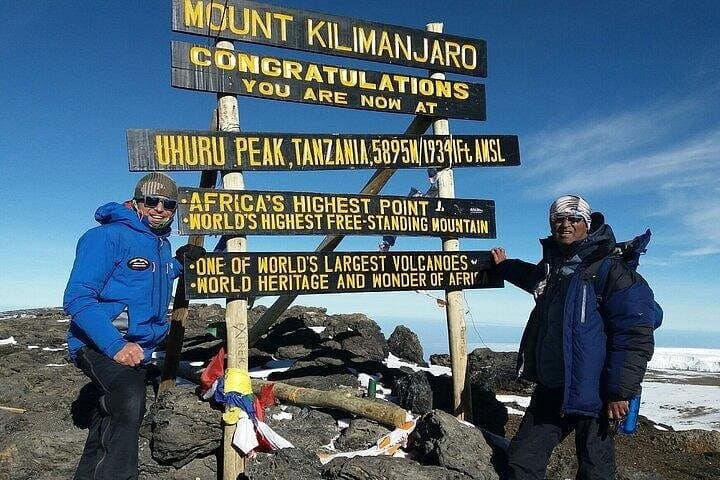
Midnight on the crater rim feels less like a clock and more like a decision—one foot in front of the other toward Uhuru Peak. On the Marangu Route you begin in the wet green of lower montane forest and end beneath a sky so close it seems to breathe with you.
Verified experiences and guided adventures in the surrounding area.
Operated by Best Time Adventures · Moshi, Kilimanjaro Region
Midnight on the crater rim feels less like a clock and more like a decision—one foot in front of the other toward Uhuru Peak. On the Marangu Route you begin in the wet green of lower montane forest and end beneath a sky so close it seems to breathe with you.
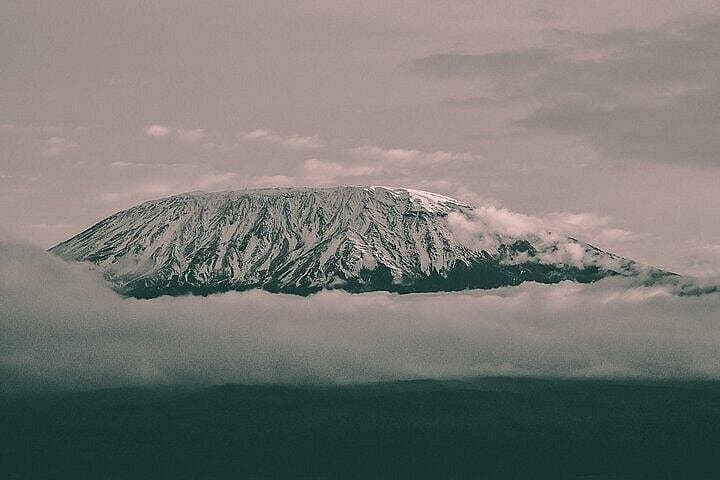
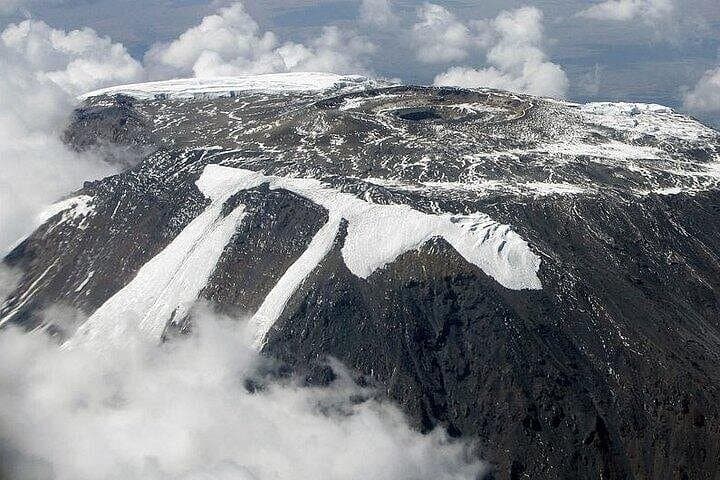
The mountain is volcanic: a massif of ancient lava flows and glaciers carved by freeze and thaw. Marangu’s history threads local Chagga culture, early European explorers and modern conservation efforts; villages around Moshi still cultivate coffee on the lower slopes and supply porters and guides who maintain the route. Expect dense rainforest at the trailhead, a wide band of heath and moorland higher up, then alpine desert and the final scramble across volcanic scree.
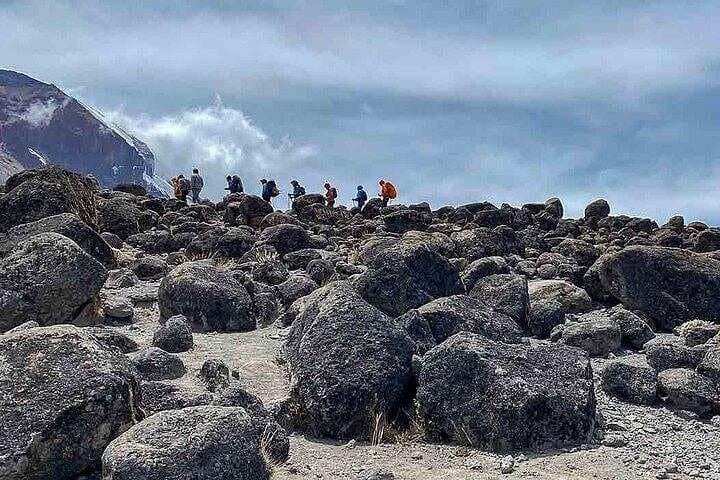
Practically, this 5-day itinerary spaces ascent to help acclimatize—Mandara Hut to Horombo, Kibo, a midnight summit push, and a stepped descent. Trails are well trodden but steep and exposed above the saddle; temperatures swing from tropical warmth to sub-zero at the rim. Hydration, layered insulation, and sleep during daylight hours matter as much as pace. Porters carry group gear; climbers carry day packs and essentials.
You don’t need technical mountaineering gear, but you do need respect for altitude and contingency plans: extra days, medication for AMS, and flexibility in weather. Time your climb for dry windows (Jan–Mar, Jun–Oct) and be prepared for wind and snow near the summit. Reach the summit at dawn and the reward is both view and the quiet proof that slow, steady effort wins high places.
No technical climbing skills are required on the Marangu Route; the summit push is strenuous trekking across scree and volcanic rock rather than roped climbing.
The itinerary spaces overnight stops (Mandara, Horombo, Kibo) to gain elevation gradually; maintain a slow pace, rest, hydrate and avoid alcohol to assist acclimatization.
This itinerary uses mountain huts or basic camping at designated sites depending on operator arrangements; expect communal sleeping and simple amenities.
Dry seasons (roughly Jan–Mar and Jun–Oct) offer more stable weather and clearer summit views, though Kilimanjaro can be climbed year-round with variable conditions.
Best Time Adventures operates guided outdoor trips and adventures with an emphasis on safety, stewardship, and memorable experiences.
Midnight on the crater rim feels less like a clock and more like a decision—one foot in front of the other toward Uhuru Peak. On the Marangu Route you begin in the wet green of lower montane forest and end beneath a sky so close it seems to breathe with you.
Midnight on the crater rim feels less like a clock and more like a decision—one foot in front of the other toward Uhuru Peak. On the Marangu Route you begin in the wet green of lower montane forest and end beneath a sky so close it seems to breathe with you.
The mountain is volcanic: a massif of ancient lava flows and glaciers carved by freeze and thaw. Marangu’s history threads local Chagga culture, early European explorers and modern conservation efforts; villages around Moshi still cultivate coffee on the lower slopes and supply porters and guides who maintain the route. Expect dense rainforest at the trailhead, a wide band of heath and moorland higher up, then alpine desert and the final scramble across volcanic scree.
Practically, this 5-day itinerary spaces ascent to help acclimatize—Mandara Hut to Horombo, Kibo, a midnight summit push, and a stepped descent. Trails are well trodden but steep and exposed above the saddle; temperatures swing from tropical warmth to sub-zero at the rim. Hydration, layered insulation, and sleep during daylight hours matter as much as pace. Porters carry group gear; climbers carry day packs and essentials.
You don’t need technical mountaineering gear, but you do need respect for altitude and contingency plans: extra days, medication for AMS, and flexibility in weather. Time your climb for dry windows (Jan–Mar, Jun–Oct) and be prepared for wind and snow near the summit. Reach the summit at dawn and the reward is both view and the quiet proof that slow, steady effort wins high places.