THE ADVENTURE COLLECTIVE® · Independent discovery and booking for outdoor travel

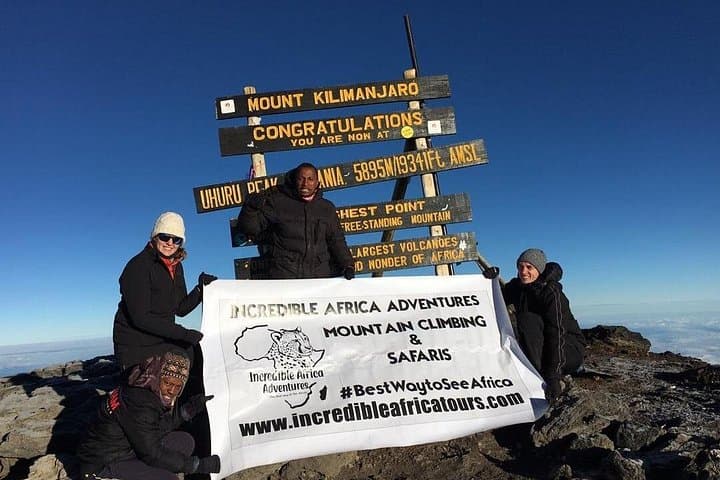
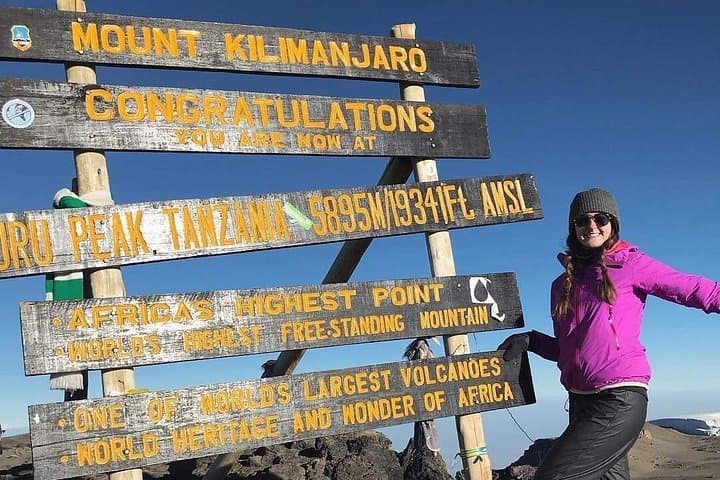
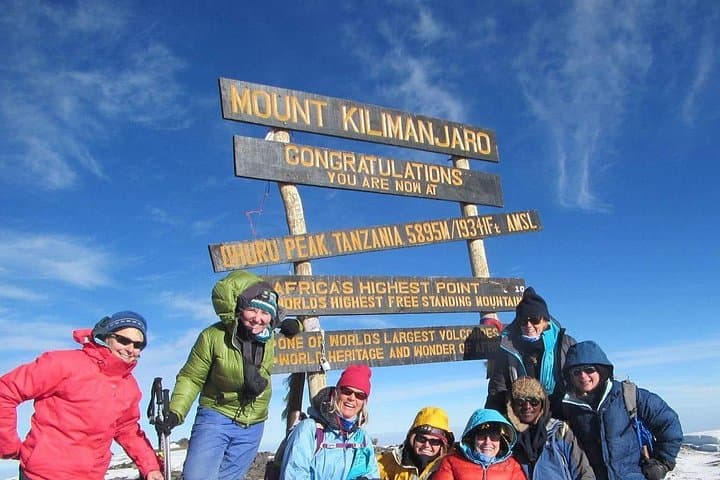
An 8-day Lemosho ascent gives trekkers a quieter, acclimatization-focused path up Kilimanjaro. Expect rainforest to glaciers, daily 4–10 km hikes, and a demanding summit night to reach Uhuru Peak.
An 8-day Lemosho ascent gives trekkers a quieter, acclimatization-focused path up Kilimanjaro. Expect rainforest to glaciers, daily 4–10 km hikes, and a demanding summit night to reach Uhuru Peak.
The trail opens under a low, wet canopy where rain forest breathes on your neck and porters’ silhouettes slip between trunks. On the Lemosho Route you start at Londorossi Gate and travel westward across the Shira Plateau, where wind and stone take the lead and the mountain seems to rearrange the weather as you move upward.
Verified experiences and guided adventures in the surrounding area.
Operated by Incredible Africa Adventures · Moshi, Kilimanjaro Region
The trail opens under a low, wet canopy where rain forest breathes on your neck and porters’ silhouettes slip between trunks. On the Lemosho Route you start at Londorossi Gate and travel westward across the Shira Plateau, where wind and stone take the lead and the mountain seems to rearrange the weather as you move upward.
Geology and human history are written here in layers: Shira is the remnant of Kilimanjaro’s oldest volcano, later reshaped by Kibo’s eruptions. Local Chagga culture rings the lower slopes—villages around Moshi have guided caravans and tended coffee farms for generations—and park fees fund community projects and conservation. The route links rainforest, moorland, alpine desert and the ragged glaciers near Uhuru Peak, giving a real sense of ecological altitude.
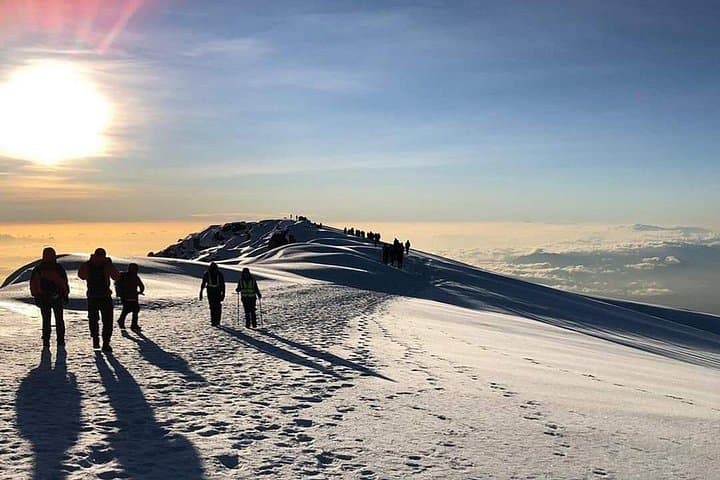
Practical guidance is simple: the itinerary spreads altitude gain over eight days to aid acclimatization. Expect daily sections from 4–10 km with climbs that include the 1,296 m summit push from Barafu and long descents to Mweka Gate. Trails vary—slick rainforest tracks, rocky plateau walks, and steep scree on the final ascent. Nighttime summit tactics matter: slow, steady steps, frequent sipping of water and short breaks. Bring layered insulation for temperature swings, a reliable helmet-bright headlamp for the summit march and ready yourself for high-altitude breathing, not technical rope work.
This climb rewards patience: landscape that tests you will also open up in wide, wind-carved views. With careful pacing and basic high-altitude awareness, Lemosho offers one of the best odds to reach Uhuru Peak while experiencing Kilimanjaro’s full geological story.
No technical climbing is required; the route is non-technical trekking, though you need endurance for long days and the final steep scree climb.
The 8-day Lemosho itinerary improves acclimatization and lowers risk, but some trekkers still get mild AMS—know symptoms, ascend slowly and communicate with guides.
Guided trips typically include park entry and camping fees; verify inclusions before booking as these are mandatory for Kilimanjaro National Park access.
Dry months (late June–October and late December–February) are generally best for clearer weather and firmer trails, though climbs occur year-round with variable conditions.
Incredible Africa Adventures operates guided outdoor trips and adventures with an emphasis on safety, stewardship, and memorable experiences.
The trail opens under a low, wet canopy where rain forest breathes on your neck and porters’ silhouettes slip between trunks. On the Lemosho Route you start at Londorossi Gate and travel westward across the Shira Plateau, where wind and stone take the lead and the mountain seems to rearrange the weather as you move upward.
The trail opens under a low, wet canopy where rain forest breathes on your neck and porters’ silhouettes slip between trunks. On the Lemosho Route you start at Londorossi Gate and travel westward across the Shira Plateau, where wind and stone take the lead and the mountain seems to rearrange the weather as you move upward.
Geology and human history are written here in layers: Shira is the remnant of Kilimanjaro’s oldest volcano, later reshaped by Kibo’s eruptions. Local Chagga culture rings the lower slopes—villages around Moshi have guided caravans and tended coffee farms for generations—and park fees fund community projects and conservation. The route links rainforest, moorland, alpine desert and the ragged glaciers near Uhuru Peak, giving a real sense of ecological altitude.
Practical guidance is simple: the itinerary spreads altitude gain over eight days to aid acclimatization. Expect daily sections from 4–10 km with climbs that include the 1,296 m summit push from Barafu and long descents to Mweka Gate. Trails vary—slick rainforest tracks, rocky plateau walks, and steep scree on the final ascent. Nighttime summit tactics matter: slow, steady steps, frequent sipping of water and short breaks. Bring layered insulation for temperature swings, a reliable helmet-bright headlamp for the summit march and ready yourself for high-altitude breathing, not technical rope work.
This climb rewards patience: landscape that tests you will also open up in wide, wind-carved views. With careful pacing and basic high-altitude awareness, Lemosho offers one of the best odds to reach Uhuru Peak while experiencing Kilimanjaro’s full geological story.