THE ADVENTURE COLLECTIVE® · Independent discovery and booking for outdoor travel

Spend a day on Kilimanjaro’s lower slopes with a guided trek to Mandara Hut — rainforest steps, coffee-country vistas, and panoramic views of Moshi below. Perfect for travelers seeking a serious day hike without an overnight on the mountain.
Spend a day on Kilimanjaro’s lower slopes with a guided trek to Mandara Hut — rainforest steps, coffee-country vistas, and panoramic views of Moshi below. Perfect for travelers seeking a serious day hike without an overnight on the mountain.
You step out of the van into a cool, damp forest and the mountain exhales around you — mist threading between mossy trunks, cicadas and distant bird calls filling the understory. From Moshi the road folds up toward Marangu Gate, but the real ascent begins on root-strewn switchbacks where the rainforest seems to lean in, curious. The day pushes you upward: three hours of steady gain to Mandara Hut, a clearing that opens like a window onto the higher slopes and, on a clear day, the broad plain ringing the town of Moshi below.
Verified experiences and guided adventures in the surrounding area.
Operated by RajaTours Tanzania · Moshi, Kilimanjaro Region
You step out of the van into a cool, damp forest and the mountain exhales around you — mist threading between mossy trunks, cicadas and distant bird calls filling the understory. From Moshi the road folds up toward Marangu Gate, but the real ascent begins on root-strewn switchbacks where the rainforest seems to lean in, curious. The day pushes you upward: three hours of steady gain to Mandara Hut, a clearing that opens like a window onto the higher slopes and, on a clear day, the broad plain ringing the town of Moshi below.
Kilimanjaro is not a single story but a stacked geography. Rainforest gives way to heather and then the alpine desert as you climb; Mandara sits in that lower, wet layer where giant lobelias and moss cloak the trunks. The mountain’s origin is volcanic — an ancient cone grown from eruptions over the last million years — and the soils here feed a lively biodiversity that provided the Chaga people with fertile terraces and coffee farms for centuries. On this stretch you’ll notice signs of that human history: old footpaths, small farms on the lower slopes, and the hospitality of guides who grew up in villages that still trade with the mountain.
Practically, this is a day-built hike designed for people who want a true Kilimanjaro taste without committing to a multi-day summit attempt. Expect roughly 4–6 hours of hiking within an 8-hour window that includes transfers, lunch, and time at the hut. The trail climbs through damp rainforest: tree roots, slick rock, muddy sections after rain, and short steep pitches. Altitude gain from the park gate to Mandara Hut is in the neighborhood of 700–900 meters, so move deliberately and keep your breath steady.
Local guides here are seasoned and often double as naturalists — they’ll point out endemic plants and the calls of colobus monkeys. Bring layers and a lightweight rain shell; the mountain can switch from sunshine to drizzle in an hour. Hydration and pacing matter more than speed: the climb rewards a controlled effort.
If you want to extend the cultural thread, combine the hike with a coffee tour in Marangu or a visit to Materuni Waterfalls nearby. Be mindful of conservation: Kilimanjaro National Park manages trail use and fees help protect fragile zones. Pack out what you bring in, keep to the trail, and give wildlife space.
In short: this day trip delivers rainforest atmosphere, panoramic views back to Moshi, and a compact experience of Kilimanjaro’s layered landscapes — all guided by professionals who know the mountain’s moods. It’s an excellent primer for anyone considering a longer route or for travelers who want a highland day that feels like a meaningful climb rather than a mere photo stop.
Expect about 2.5–3 hours to ascend and 1.5–2 hours to descend; transfers and lunch make the total excursion around 6–8 hours.
No technical experience required, but you should be comfortable with sustained uphill walking and uneven terrain.
This day trip reaches the lower alpine zone; mild symptoms are possible — hydrate, eat, and descend if you feel unwell. Inform your guide of any history of altitude issues.
This tour’s inclusions list park-related fees; confirm at booking whether all Kilimanjaro National Park fees are covered.
Layered clothing, sturdy boots, sun protection, and a rain shell; mornings can be chilly and the forest retains moisture.
Children in good health who can hike several hours may do well; the operator advises that pregnant travelers and those with significant heart problems should not participate.
RajaTours Tanzania operates guided outdoor trips and adventures with an emphasis on safety, stewardship, and memorable experiences.
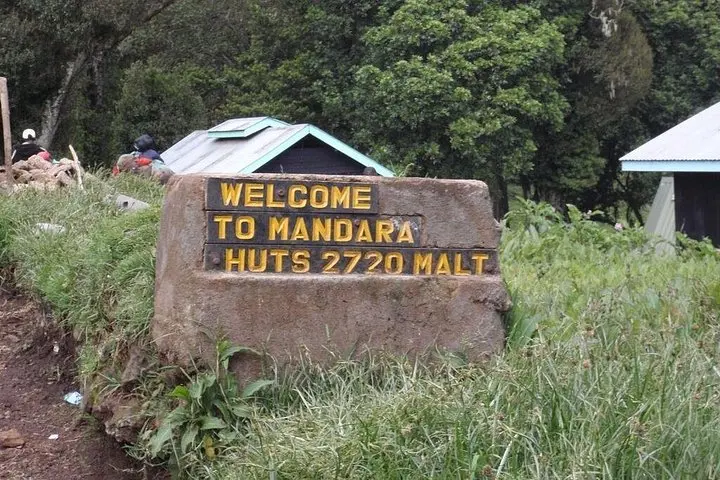
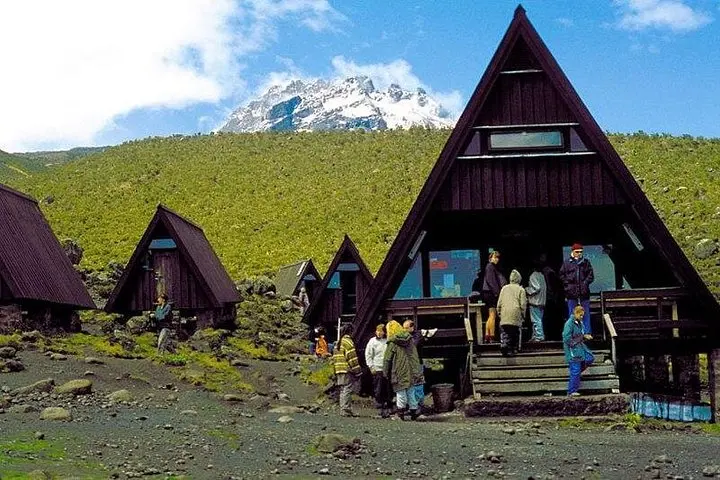
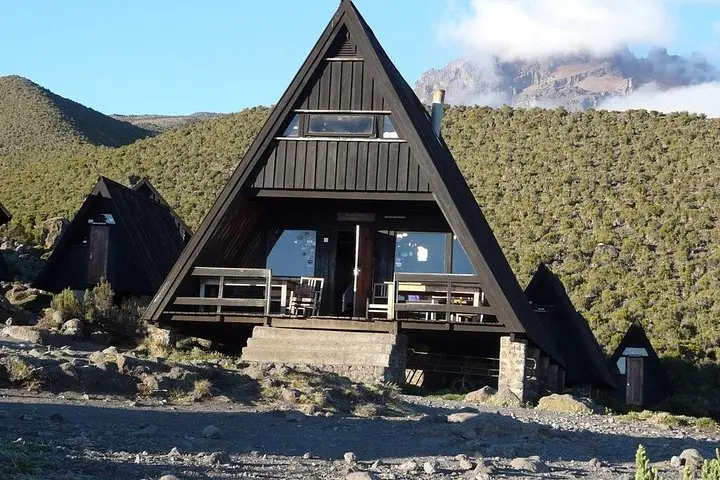
You step out of the van into a cool, damp forest and the mountain exhales around you — mist threading between mossy trunks, cicadas and distant bird calls filling the understory. From Moshi the road folds up toward Marangu Gate, but the real ascent begins on root-strewn switchbacks where the rainforest seems to lean in, curious. The day pushes you upward: three hours of steady gain to Mandara Hut, a clearing that opens like a window onto the higher slopes and, on a clear day, the broad plain ringing the town of Moshi below.
You step out of the van into a cool, damp forest and the mountain exhales around you — mist threading between mossy trunks, cicadas and distant bird calls filling the understory. From Moshi the road folds up toward Marangu Gate, but the real ascent begins on root-strewn switchbacks where the rainforest seems to lean in, curious. The day pushes you upward: three hours of steady gain to Mandara Hut, a clearing that opens like a window onto the higher slopes and, on a clear day, the broad plain ringing the town of Moshi below.
Kilimanjaro is not a single story but a stacked geography. Rainforest gives way to heather and then the alpine desert as you climb; Mandara sits in that lower, wet layer where giant lobelias and moss cloak the trunks. The mountain’s origin is volcanic — an ancient cone grown from eruptions over the last million years — and the soils here feed a lively biodiversity that provided the Chaga people with fertile terraces and coffee farms for centuries. On this stretch you’ll notice signs of that human history: old footpaths, small farms on the lower slopes, and the hospitality of guides who grew up in villages that still trade with the mountain.
Practically, this is a day-built hike designed for people who want a true Kilimanjaro taste without committing to a multi-day summit attempt. Expect roughly 4–6 hours of hiking within an 8-hour window that includes transfers, lunch, and time at the hut. The trail climbs through damp rainforest: tree roots, slick rock, muddy sections after rain, and short steep pitches. Altitude gain from the park gate to Mandara Hut is in the neighborhood of 700–900 meters, so move deliberately and keep your breath steady.
Local guides here are seasoned and often double as naturalists — they’ll point out endemic plants and the calls of colobus monkeys. Bring layers and a lightweight rain shell; the mountain can switch from sunshine to drizzle in an hour. Hydration and pacing matter more than speed: the climb rewards a controlled effort.
If you want to extend the cultural thread, combine the hike with a coffee tour in Marangu or a visit to Materuni Waterfalls nearby. Be mindful of conservation: Kilimanjaro National Park manages trail use and fees help protect fragile zones. Pack out what you bring in, keep to the trail, and give wildlife space.
In short: this day trip delivers rainforest atmosphere, panoramic views back to Moshi, and a compact experience of Kilimanjaro’s layered landscapes — all guided by professionals who know the mountain’s moods. It’s an excellent primer for anyone considering a longer route or for travelers who want a highland day that feels like a meaningful climb rather than a mere photo stop.