THE ADVENTURE COLLECTIVE® · Independent discovery and booking for outdoor travel

Short on time but want to touch Kilimanjaro? This full-day hike follows the Marangu route into the rainforest and up to Mandara Hut—offering wildlife, geology, and a real mountain atmosphere without the multi-day commitment.
Short on time but want to touch Kilimanjaro? This full-day hike follows the Marangu route into the rainforest and up to Mandara Hut—offering wildlife, geology, and a real mountain atmosphere without the multi-day commitment.
You step off the minivan at Marangu Gate and the mountain immediately recalibrates your day: forested slopes rise in tiers, clouds gather like an audience, and the distant white of Kibo’s summit dares to stay aloof. The trail slips into a cathedral of moss-draped trees; sunlight threads through giant lobelias and the air smells of damp earth and coffee blossoms. Birdsong—high, thin, insistent—keeps pace with the footsteps.
Verified experiences and guided adventures in the surrounding area.
Operated by African polecat safaris · Moshi, Kilimanjaro Region
You step off the minivan at Marangu Gate and the mountain immediately recalibrates your day: forested slopes rise in tiers, clouds gather like an audience, and the distant white of Kibo’s summit dares to stay aloof. The trail slips into a cathedral of moss-draped trees; sunlight threads through giant lobelias and the air smells of damp earth and coffee blossoms. Birdsong—high, thin, insistent—keeps pace with the footsteps.
This is not an attempt on Uhuru Peak but an intimate, efficient encounter with Kilimanjaro’s lower slopes. The standard Marangu route, first mapped by German explorers in the early 20th century and later popularized by British climbers, was originally a trade and portage path for the Chagga people. The day hike pushes to Mandara Hut—roughly 2,700 meters—allowing you to probe the mountain’s soil layers: the dense, biodiverse rainforest giving way to heath and the first glimpses of alpine moorland. Volcanic geology underpins the whole massif; Kilimanjaro rises from a Serengeti-like plain as a complex of volcanic cones, each bearing different rock, soil, and microclimates.
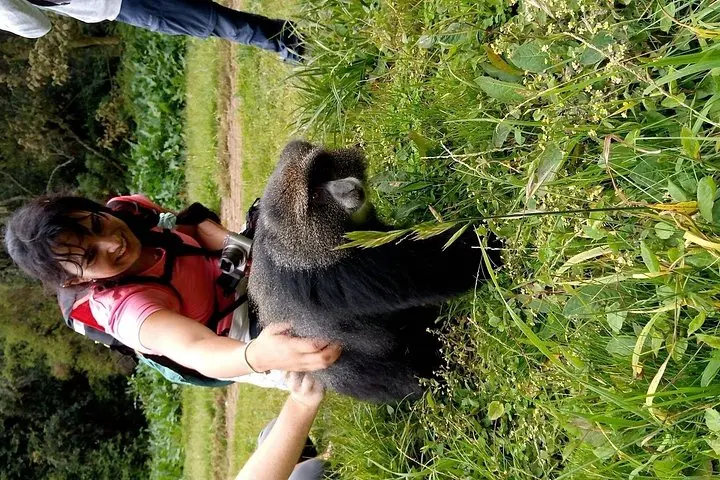
Wildlife keeps the route animated. Black-and-white colobus monkeys and the more secretive blue monkey move through the canopy with casual curiosity; colorful sunbirds flash like punctuation. Local guides double as naturalists and cultural interpreters—pointing out medicinal plants, explaining Chagga terrace agriculture, and placing the mountain in the rhythms of daily life below.
Practically, the day is a long but accessible push. Expect 6–8 hours on trail activity within a 10-hour door-to-door window—the itinerary builds a steady ascent to Mandara Hut, a picnic break, then a measured descent. Trails are well-trodden but steep in sections and can be muddy after rain. Altitude is a factor; the quick gain invites light breathlessness even for fit hikers.
Bring layered clothing for the temperature swing between Moshi’s warm morning and the cool, humid forest. Good hiking boots, a non-disposable water bottle, trekking poles, and rain protection make the day more enjoyable. Plan for an early start to catch clear views of Kibo and to avoid afternoon cloud buildup. For culture, linger in Marangu village on the return: a simple way to connect with the people who have shared this mountain for generations.
The Kilimanjaro day hike to Mandara Hut is a concentrated taste of a great mountain—wild, instructive, and within reach of a single purposeful day out of Moshi or Arusha.
The trail activity totals about 6–8 hours, with steady uphill to Mandara Hut and a descent back; it’s rated moderate—fit walkers should manage the pace.
Park fees (for non-residents) are included in the tour’s inclusions—your operator handles registration at Marangu Gate.
You won’t summit, but you’ll gain altitude quickly; light symptoms are possible—take it easy and stay hydrated to reduce discomfort.
Common sightings include colobus monkeys, blue monkeys, and a variety of forest birds like sunbirds and turacos.
Hiking poles are included with this tour, though many travelers bring their own for preferred fit and comfort.
The activity is suitable for many ages and fitness levels, but it’s not recommended for people with serious heart or spinal conditions or for pregnant travelers.
African polecat safaris operates guided outdoor trips and adventures with an emphasis on safety, stewardship, and memorable experiences.
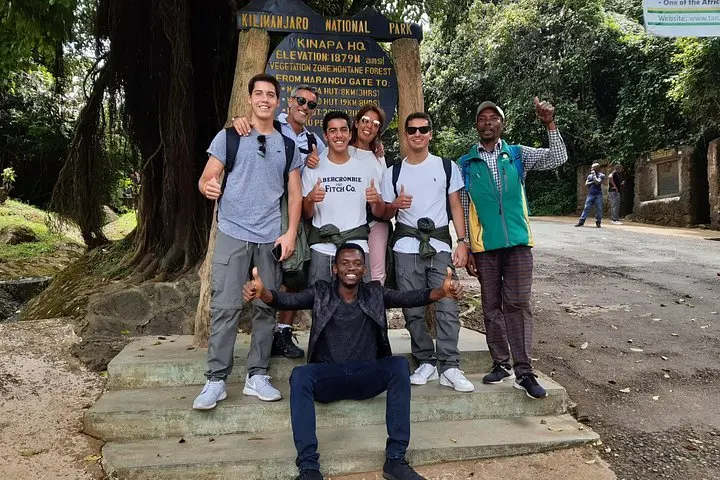
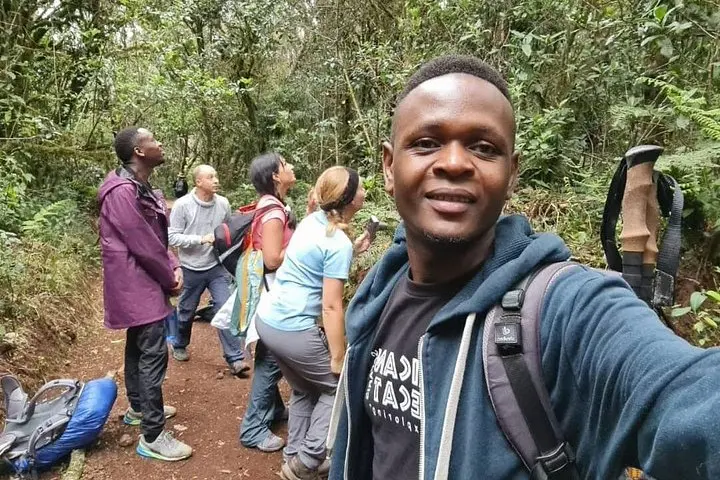
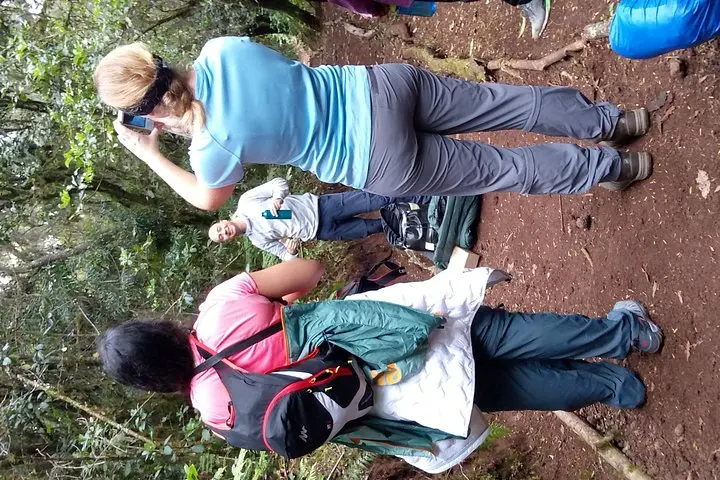
You step off the minivan at Marangu Gate and the mountain immediately recalibrates your day: forested slopes rise in tiers, clouds gather like an audience, and the distant white of Kibo’s summit dares to stay aloof. The trail slips into a cathedral of moss-draped trees; sunlight threads through giant lobelias and the air smells of damp earth and coffee blossoms. Birdsong—high, thin, insistent—keeps pace with the footsteps.
You step off the minivan at Marangu Gate and the mountain immediately recalibrates your day: forested slopes rise in tiers, clouds gather like an audience, and the distant white of Kibo’s summit dares to stay aloof. The trail slips into a cathedral of moss-draped trees; sunlight threads through giant lobelias and the air smells of damp earth and coffee blossoms. Birdsong—high, thin, insistent—keeps pace with the footsteps.
This is not an attempt on Uhuru Peak but an intimate, efficient encounter with Kilimanjaro’s lower slopes. The standard Marangu route, first mapped by German explorers in the early 20th century and later popularized by British climbers, was originally a trade and portage path for the Chagga people. The day hike pushes to Mandara Hut—roughly 2,700 meters—allowing you to probe the mountain’s soil layers: the dense, biodiverse rainforest giving way to heath and the first glimpses of alpine moorland. Volcanic geology underpins the whole massif; Kilimanjaro rises from a Serengeti-like plain as a complex of volcanic cones, each bearing different rock, soil, and microclimates.
Wildlife keeps the route animated. Black-and-white colobus monkeys and the more secretive blue monkey move through the canopy with casual curiosity; colorful sunbirds flash like punctuation. Local guides double as naturalists and cultural interpreters—pointing out medicinal plants, explaining Chagga terrace agriculture, and placing the mountain in the rhythms of daily life below.
Practically, the day is a long but accessible push. Expect 6–8 hours on trail activity within a 10-hour door-to-door window—the itinerary builds a steady ascent to Mandara Hut, a picnic break, then a measured descent. Trails are well-trodden but steep in sections and can be muddy after rain. Altitude is a factor; the quick gain invites light breathlessness even for fit hikers.
Bring layered clothing for the temperature swing between Moshi’s warm morning and the cool, humid forest. Good hiking boots, a non-disposable water bottle, trekking poles, and rain protection make the day more enjoyable. Plan for an early start to catch clear views of Kibo and to avoid afternoon cloud buildup. For culture, linger in Marangu village on the return: a simple way to connect with the people who have shared this mountain for generations.
The Kilimanjaro day hike to Mandara Hut is a concentrated taste of a great mountain—wild, instructive, and within reach of a single purposeful day out of Moshi or Arusha.