THE ADVENTURE COLLECTIVE® · Independent discovery and booking for outdoor travel

Trek the Lemosho Route to Uhuru Peak, then trade summit boots for safari nets in Tarangire and Ngorongoro. This 12-day combination of high-altitude camping and private safari pairs demanding mountain days with close encounters on the savanna.
Trek the Lemosho Route to Uhuru Peak, then trade summit boots for safari nets in Tarangire and Ngorongoro. This 12-day combination of high-altitude camping and private safari pairs demanding mountain days with close encounters on the savanna.
The headlamp beam slices the midnight air as a line of hikers moves pole pole—slow, slow—up the Barranco Ridge. Below, the plains around Moshi are a smear of darkness; above, the summit waits like a cold promise. On the Lemosho Route you travel through four lives of a mountain: dripping rainforest, heather and grassland, a high alpine desert of volcanic scree, and the icy rim of Kibo where dawn finds you at Uhuru Peak (19,341 ft).
Verified experiences and guided adventures in the surrounding area.
Operated by OneSeed Expeditions · Moshi, Kilimanjaro Region
The headlamp beam slices the midnight air as a line of hikers moves pole pole—slow, slow—up the Barranco Ridge. Below, the plains around Moshi are a smear of darkness; above, the summit waits like a cold promise. On the Lemosho Route you travel through four lives of a mountain: dripping rainforest, heather and grassland, a high alpine desert of volcanic scree, and the icy rim of Kibo where dawn finds you at Uhuru Peak (19,341 ft).
Lemosho arrives to the western flank of Kilimanjaro, following old game paths and volcanic shoulders that speak to the mountain’s geologic past. Kilimanjaro is a composite of three volcanic cones—Shira, Mawenzi, and Kibo—with the summit crater on Kibo preserved by high, thin air. Culturally, the mountain has drawn the Chagga people for centuries; many porters, guides, and campsite traditions on this trek are rooted in Chagga hospitality and long-standing highland farming practices in the nearby town of Moshi.
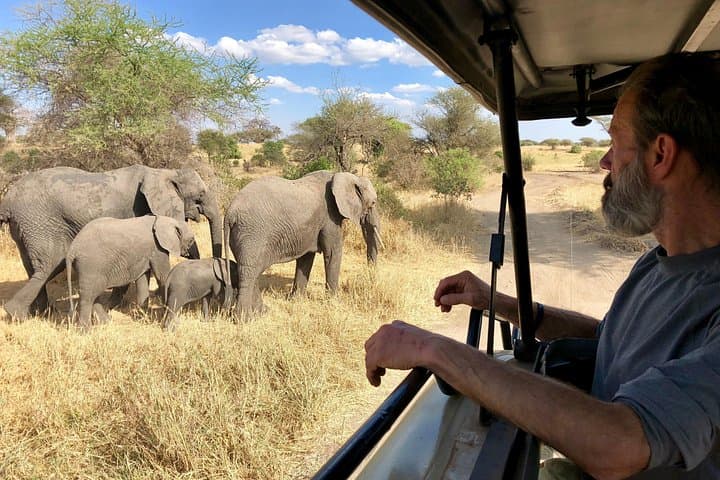
After the summit attempt the trip unfolds into a different rhythm: descent into jungle villages and then a shift from climbing poles to the soft thump of safari tires. Tarangire and Ngorongoro introduce East Africa’s megafauna—elephants congregate at seasonal rivers while Ngorongoro’s crater floors host a dense assemblage of grazers and the rare black rhino.
Practicalities shape the experience as much as scenery. The full itinerary runs 11–12 days with guided camping on trail and tented camping on safari; luggage on the trek is limited to about 22 lbs (10 kg). Expect long trekking days—up to 11–14 hours on summit day—and pack layers for a temperature swing from warm jungle to sub-zero summit conditions. Acclimatization is built into the route: you climb high and sleep low to give your body time to adapt, but altitude sickness remains the main objective hazard.
On the logistics side, permits and park fees are included in the trip; airport transfers to Moshi are provided at set itinerary times. Bring charged power banks for summit photos, and plan to tip porters and guides—tipping is a meaningful part of the local economy. For those who want both a technical mountaineering feel and an African safari, this combination trip delivers both: hard-won summit views and slow, quiet mornings watching elephants under fever trees.
If you go: prioritize sleep, hydrate beyond thirst, respect porter load limits, and listen to your guides. The mountain moves at its own pace; the reward is not just the top, but the long, changing approach that teaches patience and leaves you with a lifetime of scenes—from dripping forest to the pale, blue rim where the sun crowns the continent.
No technical climbing skills are required, but previous high-mileage hiking and multi-day trekking experience will help on long summit and descent days.
Baggage carried by porters is limited to approximately 22 lbs (10 kg); keep summit-only items light and leave extras in Moshi.
Altitude illness is possible for any climber; the itinerary includes acclimatization days but monitor symptoms and follow guide advice—descent is the primary treatment.
Yes—Tarangire and Ngorongoro are among Tanzania’s best for elephants, predators, and large herbivores, though sightings can’t be guaranteed.
Consult a travel clinic for recommended vaccinations (yellow fever, typhoid, hepatitis) and malaria prophylaxis for safari areas; carry a basic first-aid kit.
No—tipping for guides, porters, and safari drivers is customary and expected; budget accordingly for team support.
OneSeed Expeditions operates guided outdoor trips and adventures with an emphasis on safety, stewardship, and memorable experiences.
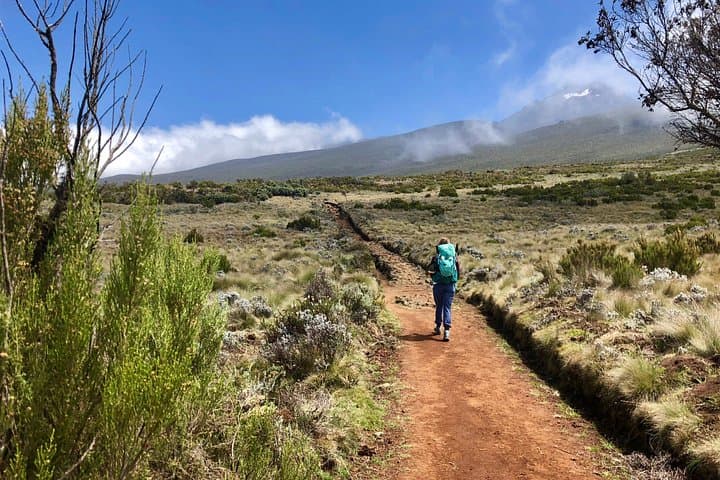
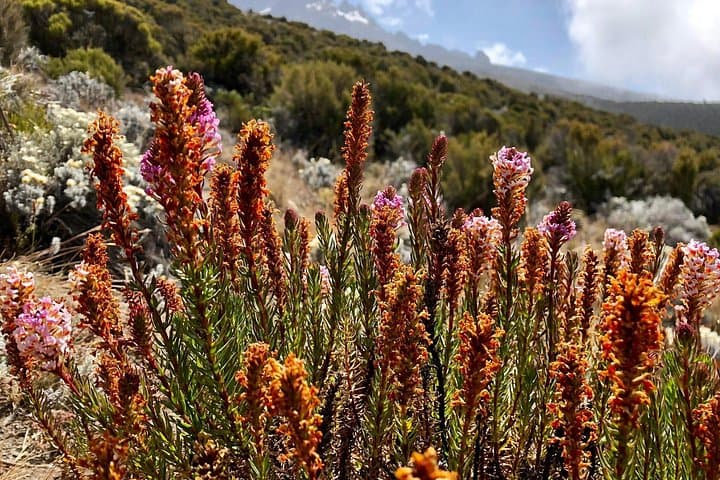
The headlamp beam slices the midnight air as a line of hikers moves pole pole—slow, slow—up the Barranco Ridge. Below, the plains around Moshi are a smear of darkness; above, the summit waits like a cold promise. On the Lemosho Route you travel through four lives of a mountain: dripping rainforest, heather and grassland, a high alpine desert of volcanic scree, and the icy rim of Kibo where dawn finds you at Uhuru Peak (19,341 ft).
The headlamp beam slices the midnight air as a line of hikers moves pole pole—slow, slow—up the Barranco Ridge. Below, the plains around Moshi are a smear of darkness; above, the summit waits like a cold promise. On the Lemosho Route you travel through four lives of a mountain: dripping rainforest, heather and grassland, a high alpine desert of volcanic scree, and the icy rim of Kibo where dawn finds you at Uhuru Peak (19,341 ft).
Lemosho arrives to the western flank of Kilimanjaro, following old game paths and volcanic shoulders that speak to the mountain’s geologic past. Kilimanjaro is a composite of three volcanic cones—Shira, Mawenzi, and Kibo—with the summit crater on Kibo preserved by high, thin air. Culturally, the mountain has drawn the Chagga people for centuries; many porters, guides, and campsite traditions on this trek are rooted in Chagga hospitality and long-standing highland farming practices in the nearby town of Moshi.
After the summit attempt the trip unfolds into a different rhythm: descent into jungle villages and then a shift from climbing poles to the soft thump of safari tires. Tarangire and Ngorongoro introduce East Africa’s megafauna—elephants congregate at seasonal rivers while Ngorongoro’s crater floors host a dense assemblage of grazers and the rare black rhino.
Practicalities shape the experience as much as scenery. The full itinerary runs 11–12 days with guided camping on trail and tented camping on safari; luggage on the trek is limited to about 22 lbs (10 kg). Expect long trekking days—up to 11–14 hours on summit day—and pack layers for a temperature swing from warm jungle to sub-zero summit conditions. Acclimatization is built into the route: you climb high and sleep low to give your body time to adapt, but altitude sickness remains the main objective hazard.
On the logistics side, permits and park fees are included in the trip; airport transfers to Moshi are provided at set itinerary times. Bring charged power banks for summit photos, and plan to tip porters and guides—tipping is a meaningful part of the local economy. For those who want both a technical mountaineering feel and an African safari, this combination trip delivers both: hard-won summit views and slow, quiet mornings watching elephants under fever trees.
If you go: prioritize sleep, hydrate beyond thirst, respect porter load limits, and listen to your guides. The mountain moves at its own pace; the reward is not just the top, but the long, changing approach that teaches patience and leaves you with a lifetime of scenes—from dripping forest to the pale, blue rim where the sun crowns the continent.