THE ADVENTURE COLLECTIVE® · Independent discovery and booking for outdoor travel

A six-day, private ascent of Kilimanjaro via the scenic Lemosho route that balances low crowds with high summit success. Experience rainforest, the Shira Plateau, and a pre-dawn push to Uhuru Peak with professional guides and full support.
A six-day, private ascent of Kilimanjaro via the scenic Lemosho route that balances low crowds with high summit success. Experience rainforest, the Shira Plateau, and a pre-dawn push to Uhuru Peak with professional guides and full support.
Night on the rim: you push through a cold, star-pricked sky with headlamp cones cutting into the dark, each step a small victory toward a summit that sits above the clouds. The Lemosho route begins in the damp green of Londorossi Gate, threads west and then south around Kilimanjaro, and slowly trades rainforest for moorland and finally the thin, lunar silence of the alpine desert.
Verified experiences and guided adventures in the surrounding area.
Operated by Kanje grand tours · Moshi, Kilimanjaro Region
Night on the rim: you push through a cold, star-pricked sky with headlamp cones cutting into the dark, each step a small victory toward a summit that sits above the clouds. The Lemosho route begins in the damp green of Londorossi Gate, threads west and then south around Kilimanjaro, and slowly trades rainforest for moorland and finally the thin, lunar silence of the alpine desert.
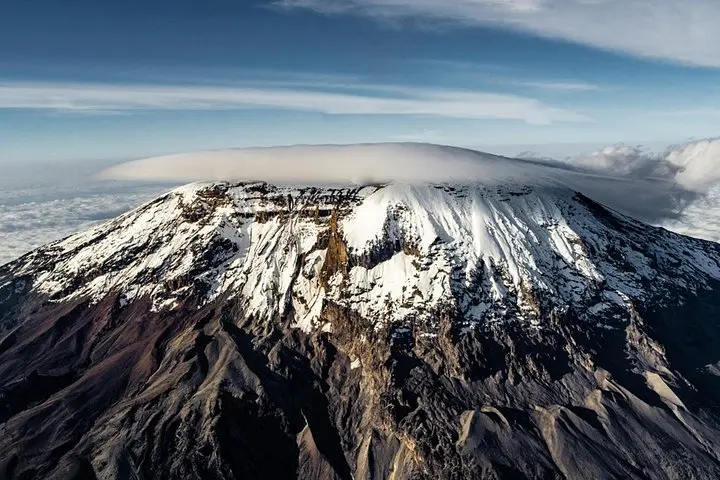
Geology and history are written in the mountain’s stone—Kilimanjaro is a dormant volcanic massif composed of three cones (Kibo, Mawenzi, Shira), raised by upwelling magma millions of years ago. European climbers first recorded major climbs in the late 1800s, but the Chagga people have long lived on its lower slopes, shaping coffee-growing culture and porter traditions that still support ascents today.
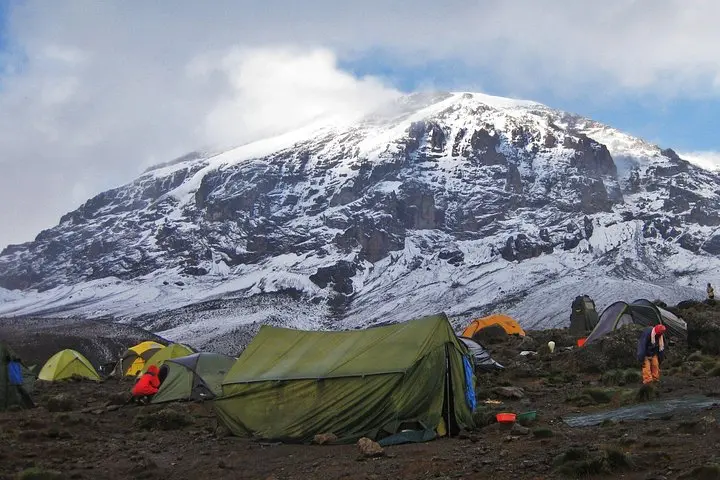
Expect rainforest birds and colobus monkeys in the lower days, wide, stark vistas across the Shira Plateau, and the sweep of glaciers visible near Uhuru Peak if conditions permit. Weather shifts fast: warm, wet forest to sun-baked scree, then sub-zero summit conditions.
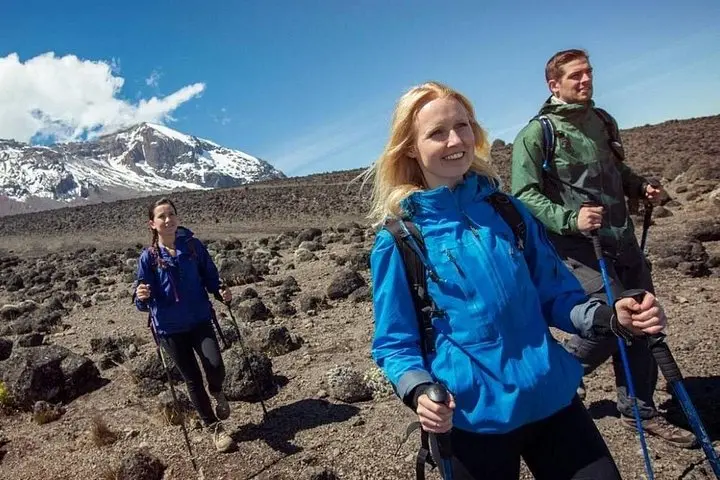
Practical guidance: train with long hikes and elevation gain; prioritize sleep and hydration for acclimatization; pack layered insulation and a -10°C to -20°C rated sleeping bag; and reserve 6 days to maximize summit odds on the Lemosho itinerary. Use gaiters and poles for the dusty descents; move slowly on summit night, keeping rhythm rather than speed. Guides handle permits, camp setup, and meals—your job is steady steps, sensible pacing, and respecting altitude. Arrive in Arusha or Moshi a day early to finalize logistics and rest before the climb.
The route is non-technical but physically demanding: expect long days, steep sections, and a strenuous summit night—regular hikers with hill training can succeed with proper acclimatization.
The driest, most stable weather is typically June–October and late December–February; avoid the long rains (March–May) when trails can be muddy and visibility poor.
No technical gear or mountaineering skills are required; the route is a high-altitude trek. Guides provide rope and safety where needed, but you must manage altitude and fitness.
Altitude sickness is the primary risk—carry a travel insurance that covers high-altitude evacuation, disclose health issues in advance, and follow your guide’s advice on pace and symptoms.
Kanje grand tours operates guided outdoor trips and adventures with an emphasis on safety, stewardship, and memorable experiences.
Night on the rim: you push through a cold, star-pricked sky with headlamp cones cutting into the dark, each step a small victory toward a summit that sits above the clouds. The Lemosho route begins in the damp green of Londorossi Gate, threads west and then south around Kilimanjaro, and slowly trades rainforest for moorland and finally the thin, lunar silence of the alpine desert.
Night on the rim: you push through a cold, star-pricked sky with headlamp cones cutting into the dark, each step a small victory toward a summit that sits above the clouds. The Lemosho route begins in the damp green of Londorossi Gate, threads west and then south around Kilimanjaro, and slowly trades rainforest for moorland and finally the thin, lunar silence of the alpine desert.
Geology and history are written in the mountain’s stone—Kilimanjaro is a dormant volcanic massif composed of three cones (Kibo, Mawenzi, Shira), raised by upwelling magma millions of years ago. European climbers first recorded major climbs in the late 1800s, but the Chagga people have long lived on its lower slopes, shaping coffee-growing culture and porter traditions that still support ascents today.
Expect rainforest birds and colobus monkeys in the lower days, wide, stark vistas across the Shira Plateau, and the sweep of glaciers visible near Uhuru Peak if conditions permit. Weather shifts fast: warm, wet forest to sun-baked scree, then sub-zero summit conditions.
Practical guidance: train with long hikes and elevation gain; prioritize sleep and hydration for acclimatization; pack layered insulation and a -10°C to -20°C rated sleeping bag; and reserve 6 days to maximize summit odds on the Lemosho itinerary. Use gaiters and poles for the dusty descents; move slowly on summit night, keeping rhythm rather than speed. Guides handle permits, camp setup, and meals—your job is steady steps, sensible pacing, and respecting altitude. Arrive in Arusha or Moshi a day early to finalize logistics and rest before the climb.