THE ADVENTURE COLLECTIVE® · Independent discovery and booking for outdoor travel

Cross rain forest, a broad volcanic plateau and a high-altitude arctic ridge on the Lemosho Route—an 8-day guided trek that balances scenic variety with acclimatization to maximize summit success. Expect long summit nights, technical scree, and unforgettable sunrise views at Stella Point.
Cross rain forest, a broad volcanic plateau and a high-altitude arctic ridge on the Lemosho Route—an 8-day guided trek that balances scenic variety with acclimatization to maximize summit success. Expect long summit nights, technical scree, and unforgettable sunrise views at Stella Point.
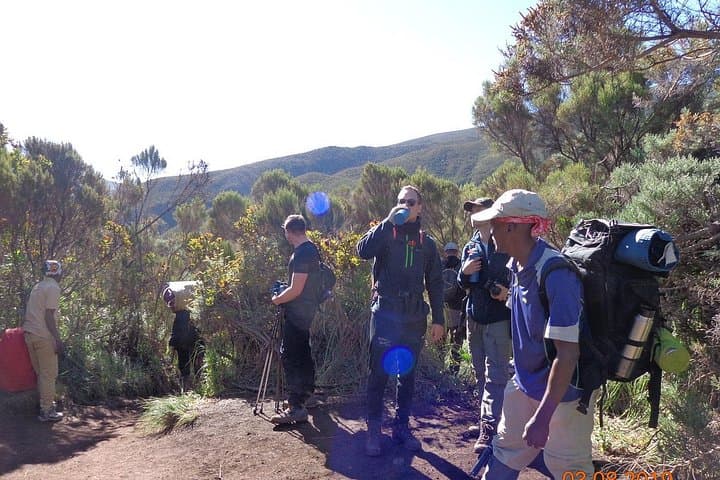
The climb begins before the first step. A four-hour drive from Moshi deposits you at Londorossi Gate, where rain forest reaches up to the trail and the mountain’s weather begins to feel like a decision you must negotiate. Day one pushes through dense, dripping canopy to Mti Mkubwa Camp—roots and moss underfoot, birds that call the forest to attention. The Lemosho route opens like a map of changing ecosystems: forest gives way to heather and tall grasses, then to the broad Shira Plateau where Kibo looms across a sea of volcanic rock.
Verified experiences and guided adventures in the surrounding area.
Operated by Topi Adventure · Moshi, Kilimanjaro Region
The climb begins before the first step. A four-hour drive from Moshi deposits you at Londorossi Gate, where rain forest reaches up to the trail and the mountain’s weather begins to feel like a decision you must negotiate. Day one pushes through dense, dripping canopy to Mti Mkubwa Camp—roots and moss underfoot, birds that call the forest to attention. The Lemosho route opens like a map of changing ecosystems: forest gives way to heather and tall grasses, then to the broad Shira Plateau where Kibo looms across a sea of volcanic rock.
Geology here reads like a layered history—ancient lava fields and the summit crater of Kibo, with the remaining glaciers clinging to the rim. Lemosho’s westward approach lets trekkers cross the Shira Plateau and then swing east, joining the Machame route near Lava Tower. That sweep of terrain is why guides favor Lemosho: lower crowds, slower profiles for acclimatization, and viewpoints of Mawenzi and Kibo from angles most other routes don’t offer.
Cultural threads run parallel to the trail. The cultivated foothills around Moshi are the domain of the Chagga people, whose terraces and coffee plots frame your arrival and departure. The first recorded ascent to Kilimanjaro’s highest point dates to 1889; today local guides and porters keep routes safe and efficient, and park authorities strictly manage access through Kilimanjaro National Park.
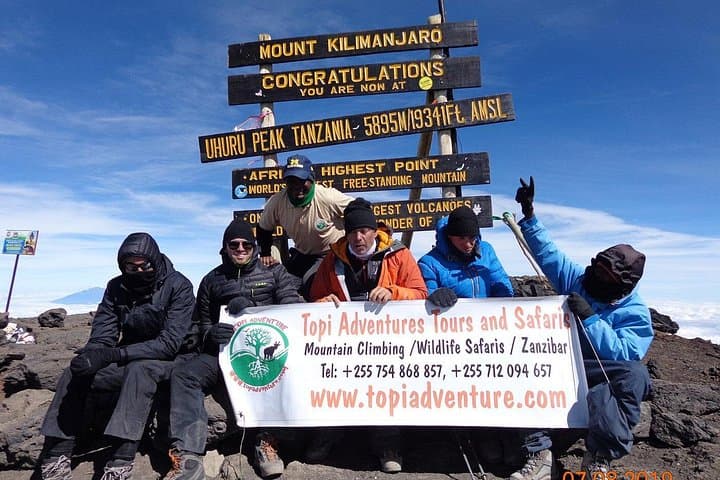
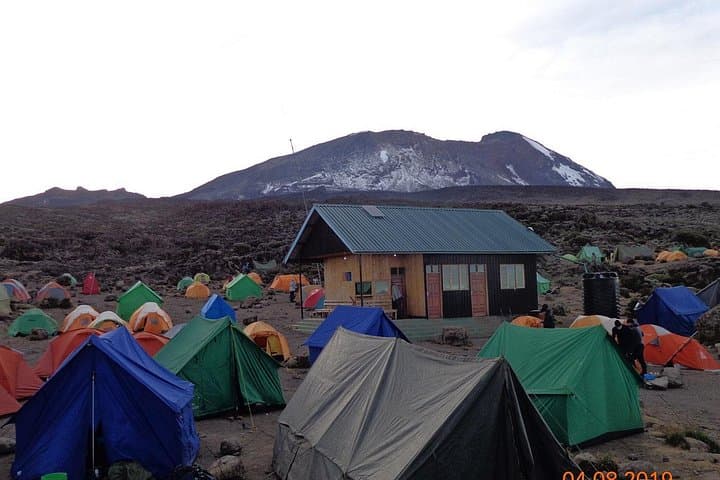
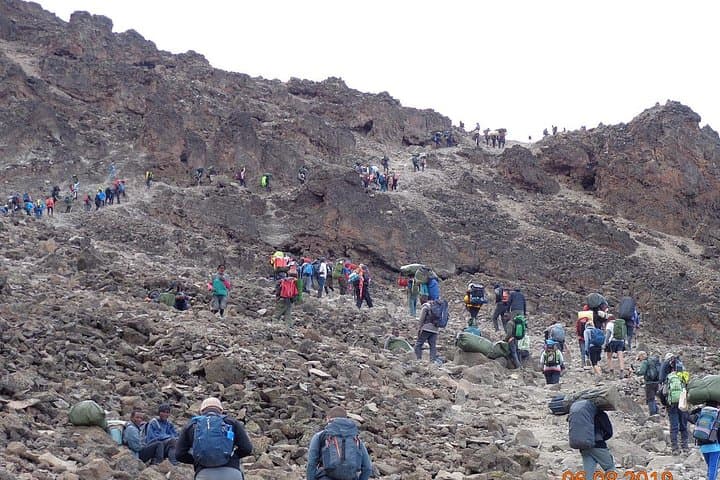
Practicalities matter. The itinerary covers eight days and seven nights with elevation gains from roughly 7,700 ft at Londorossi to 19,341 ft at Uhuru Peak. Expect hiking days between 4–8 hours on approach and a tactical 11–14 hour summit push from Barafu via Stella Point—11–17 km on summit day with steep scree and thin air. Overnight is in tented camps (or huts on alternative packages); food, park fees, and transport to/from the gate are typically included. Acclimatization is built into the route—Lava Tower and Barranco Wall function as altitude training, not just scenery.
Logistics you can’t skip: hire certified guides, carry layers for sudden weather shifts, and hydrate aggressively. Footwear with solid ankle support and crampon-compatible boots are useful if you plan on glacier-scrambling near the rim. Leave no trace—pack out non-biodegradable waste and conserve water at camps.
For experienced hikers who want the best chance at summit success with fewer crowds, Lemosho balances beauty and practicality. It asks for stamina, respect for altitude, and appreciation for one of Africa’s most dramatic climbs. The sunrise at Stella Point—when the crater rim throws back light like a new map—makes the effort unmistakably worth it.
No technical mountaineering is required; the route is a high-altitude trek. However, experience with long days, steep scree, and cold conditions helps.
Temperatures at Uhuru Peak can drop below -10°C (14°F) with wind chill—expect freezing conditions and dress in insulated layers.
Acute mountain sickness can occur; Lemosho’s longer profile lowers risk, but listen to guides, ascend slowly, hydrate, and report symptoms immediately.
Typical inclusions are park and camping fees, professional guides, meals on trek, and transport to/from the gate; check the supplier for exact inclusions.
Summit day is the longest and most demanding—expect 11–14 hours with steep, slow ascent on loose scree and cold, thin air.
Charging options are limited; some operators offer solar or battery charging at camps for a fee—bring spare batteries or a power bank.
Topi Adventure operates guided outdoor trips and adventures with an emphasis on safety, stewardship, and memorable experiences.
The climb begins before the first step. A four-hour drive from Moshi deposits you at Londorossi Gate, where rain forest reaches up to the trail and the mountain’s weather begins to feel like a decision you must negotiate. Day one pushes through dense, dripping canopy to Mti Mkubwa Camp—roots and moss underfoot, birds that call the forest to attention. The Lemosho route opens like a map of changing ecosystems: forest gives way to heather and tall grasses, then to the broad Shira Plateau where Kibo looms across a sea of volcanic rock.
The climb begins before the first step. A four-hour drive from Moshi deposits you at Londorossi Gate, where rain forest reaches up to the trail and the mountain’s weather begins to feel like a decision you must negotiate. Day one pushes through dense, dripping canopy to Mti Mkubwa Camp—roots and moss underfoot, birds that call the forest to attention. The Lemosho route opens like a map of changing ecosystems: forest gives way to heather and tall grasses, then to the broad Shira Plateau where Kibo looms across a sea of volcanic rock.
Geology here reads like a layered history—ancient lava fields and the summit crater of Kibo, with the remaining glaciers clinging to the rim. Lemosho’s westward approach lets trekkers cross the Shira Plateau and then swing east, joining the Machame route near Lava Tower. That sweep of terrain is why guides favor Lemosho: lower crowds, slower profiles for acclimatization, and viewpoints of Mawenzi and Kibo from angles most other routes don’t offer.
Cultural threads run parallel to the trail. The cultivated foothills around Moshi are the domain of the Chagga people, whose terraces and coffee plots frame your arrival and departure. The first recorded ascent to Kilimanjaro’s highest point dates to 1889; today local guides and porters keep routes safe and efficient, and park authorities strictly manage access through Kilimanjaro National Park.
Practicalities matter. The itinerary covers eight days and seven nights with elevation gains from roughly 7,700 ft at Londorossi to 19,341 ft at Uhuru Peak. Expect hiking days between 4–8 hours on approach and a tactical 11–14 hour summit push from Barafu via Stella Point—11–17 km on summit day with steep scree and thin air. Overnight is in tented camps (or huts on alternative packages); food, park fees, and transport to/from the gate are typically included. Acclimatization is built into the route—Lava Tower and Barranco Wall function as altitude training, not just scenery.
Logistics you can’t skip: hire certified guides, carry layers for sudden weather shifts, and hydrate aggressively. Footwear with solid ankle support and crampon-compatible boots are useful if you plan on glacier-scrambling near the rim. Leave no trace—pack out non-biodegradable waste and conserve water at camps.
For experienced hikers who want the best chance at summit success with fewer crowds, Lemosho balances beauty and practicality. It asks for stamina, respect for altitude, and appreciation for one of Africa’s most dramatic climbs. The sunrise at Stella Point—when the crater rim throws back light like a new map—makes the effort unmistakably worth it.