THE ADVENTURE COLLECTIVE® · Independent discovery and booking for outdoor travel

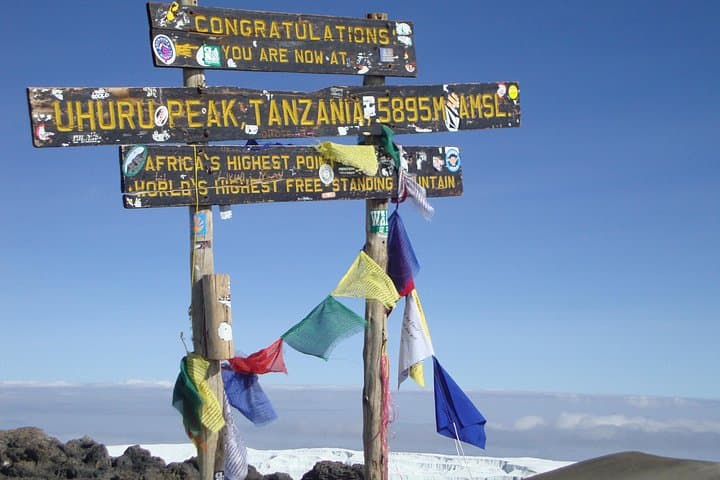
Walk from rainforest to arctic summit on the Machame 7-day route — a non-technical but demanding Kilimanjaro circuit that emphasizes acclimatization and dramatic landscape changes. This guide outlines what to expect, how to prepare, and the practical details that increase your chances of standing on Uhuru Peak.
Walk from rainforest to arctic summit on the Machame 7-day route — a non-technical but demanding Kilimanjaro circuit that emphasizes acclimatization and dramatic landscape changes. This guide outlines what to expect, how to prepare, and the practical details that increase your chances of standing on Uhuru Peak.
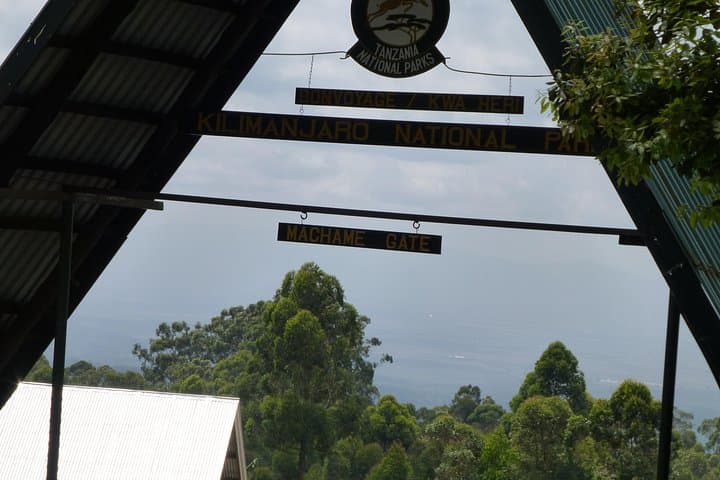
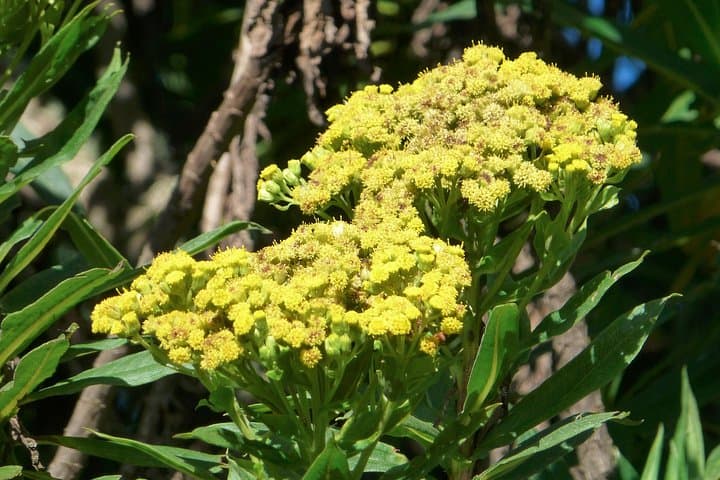
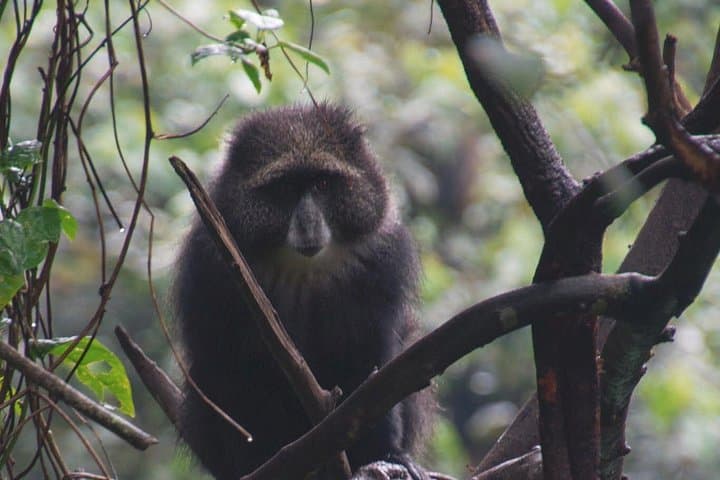
The air changes before the trees do. On day one, a damp rainforest breathes cold mist across your forehead as the trail climbs out of Machame Gate; ferns slap at your boots and vervet monkeys chatter overhead. By day three the canopy opens to a moonscape of giant lobelias and silver rocks, and by the final push you’re walking under a sky so thin it feels like glass between you and the stars. This is the Machame — the so-called “whisky” route — a non-technical, seven-day circuit that trades crowds for acclimatization time and dramatic shifts in vegetation.
Verified experiences and guided adventures in the surrounding area.
Operated by Shah Tours Travel Ltd. · Moshi, Kilimanjaro Region
The air changes before the trees do. On day one, a damp rainforest breathes cold mist across your forehead as the trail climbs out of Machame Gate; ferns slap at your boots and vervet monkeys chatter overhead. By day three the canopy opens to a moonscape of giant lobelias and silver rocks, and by the final push you’re walking under a sky so thin it feels like glass between you and the stars. This is the Machame — the so-called “whisky” route — a non-technical, seven-day circuit that trades crowds for acclimatization time and dramatic shifts in vegetation.
Kilimanjaro is a stratovolcano born of the East African Rift; the walk from rainforest to arctic peak compresses a continent’s geological story into fewer than 70 kilometers. The mountain has been a landmark for the Chagga people for centuries, and colonial-era climbers gave routes names that stuck — Machame, Shira, Barranco — each describing real ridgelines and plateaus formed by lava flows and glacial erosion. Today, the Machame circuit is favored for its smart ascents and the Barranco Wall scramble, a short section of exposed rock where hands-and-feet moves give an authentic mountain feel without ropes.
Expect a continuous climb from roughly 1,600–1,800 m at Machame Gate to 5,895 m at Uhuru Peak. Daily stints range from three to nine hours over mixed terrain: muddy rainforest tracks, tussock and heather, alpine desert, and loose volcanic scree. The itinerary builds altitude slowly — a deliberate rhythm that increases summit odds and reduces acute mountain sickness risk. Guides carry oxygen, pulse oximeters, and run twice-daily health checks; trekking crews set up durable four-season tents and handle meals and logistics so clients can focus on walking and acclimatizing.
Practical edge: pace is everything. Use a steady “pole-pole” (slowly-slowly) approach on steep sections and conserve energy before the summit night. Bring layered insulation: temperatures swing from humid 20°C at camp to well below freezing above 4,500 m. Waterproof boots with ankle support, a reliable sleeping bag rated to -10°C, and a headlamp for the midnight push are essentials. Hydrate early and often — the operator provides boiled water from camp one onwards — and budget a tipping envelope for porters and guides; it’s a key part of the local economy and morale.
Logistics are straightforward: meet in Moshi for a pre-climb briefing; park fees and rescue charges are included. Best windows for clear weather are January–March and June–October, though mountain weather can flip in minutes.
The Machame route is not a technical climb but it is a demanding, altitude-driven expedition. For hikers who train with long uphill days and carry their own daypack, the payoff is a path that moves through distinct ecological zones and finishes on Africa’s rooftop.
The Machame 7-day circuit covers roughly 60–65 km round-trip with total elevation gain around 4,200–4,300 m, from ~1,600–1,800 m at the gate to 5,895 m at Uhuru Peak.
No technical climbing gear is needed; a short scramble at the Barranco Wall uses hands but does not require ropes or harnesses.
Altitude sickness and rapid weather changes are the main hazards; the operator uses pulse oximeters, oxygen, and trained guides to manage risk.
January–March and June–October offer the most stable weather windows, though conditions can change quickly at high altitude.
Park entry, camping, conservation and rescue fees are typically included in the package and arranged by your operator.
Yes — porter services are included for luggage limits (often ~15 kg); choose operators that adhere to porter welfare programs like KPAP for fair treatment.
Shah Tours Travel Ltd. operates guided outdoor trips and adventures with an emphasis on safety, stewardship, and memorable experiences.
The air changes before the trees do. On day one, a damp rainforest breathes cold mist across your forehead as the trail climbs out of Machame Gate; ferns slap at your boots and vervet monkeys chatter overhead. By day three the canopy opens to a moonscape of giant lobelias and silver rocks, and by the final push you’re walking under a sky so thin it feels like glass between you and the stars. This is the Machame — the so-called “whisky” route — a non-technical, seven-day circuit that trades crowds for acclimatization time and dramatic shifts in vegetation.
The air changes before the trees do. On day one, a damp rainforest breathes cold mist across your forehead as the trail climbs out of Machame Gate; ferns slap at your boots and vervet monkeys chatter overhead. By day three the canopy opens to a moonscape of giant lobelias and silver rocks, and by the final push you’re walking under a sky so thin it feels like glass between you and the stars. This is the Machame — the so-called “whisky” route — a non-technical, seven-day circuit that trades crowds for acclimatization time and dramatic shifts in vegetation.
Kilimanjaro is a stratovolcano born of the East African Rift; the walk from rainforest to arctic peak compresses a continent’s geological story into fewer than 70 kilometers. The mountain has been a landmark for the Chagga people for centuries, and colonial-era climbers gave routes names that stuck — Machame, Shira, Barranco — each describing real ridgelines and plateaus formed by lava flows and glacial erosion. Today, the Machame circuit is favored for its smart ascents and the Barranco Wall scramble, a short section of exposed rock where hands-and-feet moves give an authentic mountain feel without ropes.
Expect a continuous climb from roughly 1,600–1,800 m at Machame Gate to 5,895 m at Uhuru Peak. Daily stints range from three to nine hours over mixed terrain: muddy rainforest tracks, tussock and heather, alpine desert, and loose volcanic scree. The itinerary builds altitude slowly — a deliberate rhythm that increases summit odds and reduces acute mountain sickness risk. Guides carry oxygen, pulse oximeters, and run twice-daily health checks; trekking crews set up durable four-season tents and handle meals and logistics so clients can focus on walking and acclimatizing.
Practical edge: pace is everything. Use a steady “pole-pole” (slowly-slowly) approach on steep sections and conserve energy before the summit night. Bring layered insulation: temperatures swing from humid 20°C at camp to well below freezing above 4,500 m. Waterproof boots with ankle support, a reliable sleeping bag rated to -10°C, and a headlamp for the midnight push are essentials. Hydrate early and often — the operator provides boiled water from camp one onwards — and budget a tipping envelope for porters and guides; it’s a key part of the local economy and morale.
Logistics are straightforward: meet in Moshi for a pre-climb briefing; park fees and rescue charges are included. Best windows for clear weather are January–March and June–October, though mountain weather can flip in minutes.
The Machame route is not a technical climb but it is a demanding, altitude-driven expedition. For hikers who train with long uphill days and carry their own daypack, the payoff is a path that moves through distinct ecological zones and finishes on Africa’s rooftop.