THE ADVENTURE COLLECTIVE® · Independent discovery and booking for outdoor travel

A 10‑day Machame ascent to Uhuru Peak that trades rush for great acclimatization, vivid ecosystem changes and professional support. Expect long days, cold nights, and a summit push timed for sunrise.
A 10‑day Machame ascent to Uhuru Peak that trades rush for great acclimatization, vivid ecosystem changes and professional support. Expect long days, cold nights, and a summit push timed for sunrise.
The climb begins before most towns have opened—headlamps bobbing like a slow constellation as the group files up from Barafu in the teeth of night. Cold air bites through down jackets and the track narrows; each step is a small negotiation with altitude and terrain. By the time the sun peels back the horizon, Uhuru Peak sits above the clouds, a white rim of ice and rock that feels both impossibly distant and suddenly within reach.
Verified experiences and guided adventures in the surrounding area.
Operated by Tusker Trail Kilimanjaro Adventures · Moshi, Kilimanjaro Region
The climb begins before most towns have opened—headlamps bobbing like a slow constellation as the group files up from Barafu in the teeth of night. Cold air bites through down jackets and the track narrows; each step is a small negotiation with altitude and terrain. By the time the sun peels back the horizon, Uhuru Peak sits above the clouds, a white rim of ice and rock that feels both impossibly distant and suddenly within reach.
The Machame Route is a measured, scenic line on Kilimanjaro’s southern face. Over 10 days the itinerary moves from Moshi (930 m/3,050 ft) through montane rainforest, heather zones and the Shira Plateau—one of Kilimanjaro’s original calderas—before climbing the jagged skyline of Kibo and Mawenzi. Distances vary day to day: expect marches of roughly 5–12 km (3–7 miles), daily elevation changes between 300–900 m, and summit night’s steep 850 m push to 5,895 m (19,341 ft).
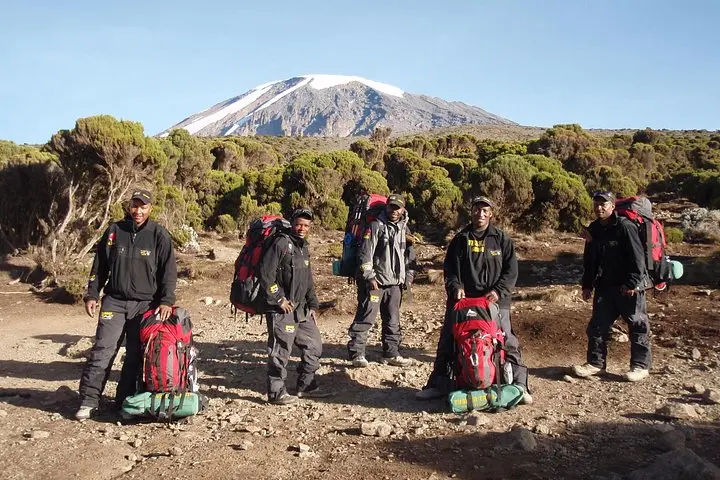
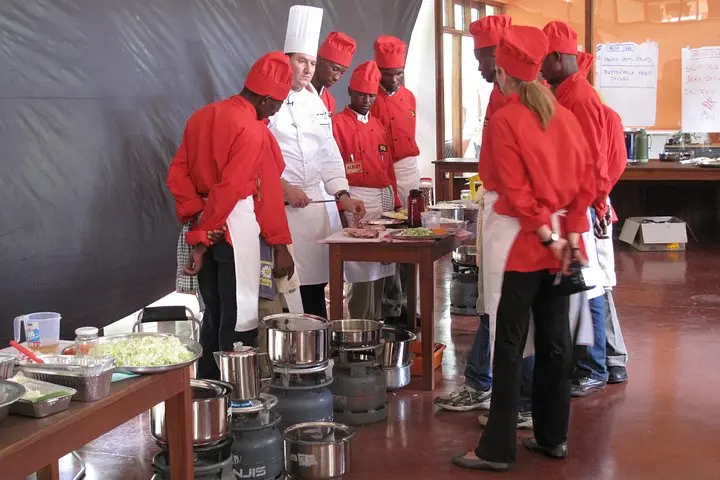
Geologically Kilimanjaro is a composite of three volcanoes—Kibo, Mawenzi and Shira—built from successive lava flows and shaped by glacial action; glaciers and ice cliffs on Kibo are the last remaining high‑altitude ice in East Africa. Culturally, the mountain is integral to Chagga life on the lower slopes: terraces, banana groves and small farms feed Moshi and form the human backdrop to the climb. Guides and porters—often from local communities—bring centuries of mountain knowledge, and operators here highlight trained High Altitude First Responders and experienced chefs who make the logistics feel seamless.
Practical planning makes the difference between a remembered triumph and a hard lesson. Acclimatization is the priority: the Machame route’s extra nights on the Shira Plateau and at Barranco are deliberate—move slow, stay hydrated (aim for 3–4 liters daily at altitude), and monitor symptoms of acute mountain sickness. Good layering is essential—temperatures swing from humid rainforest to subzero summit winds. Footwear should be a broken‑in, waterproof pair with good ankle support; trekking poles reduce knee stress on descents and help maintain rhythm on summit night.
Logistics are turnkey with guided outfits: camps are staffed and meals are prepared, but pack a small daypack with water, snacks, headlamp, sunscreen, and spare gloves for summit attempts. Summit timing favors an early start so climbers reach the crater rim in daylight; many teams aim for a 1–4 a.m. departure. Finally, treat the mountain with respect—stay on trail, follow guide instructions, and factor in at least a day in Moshi before and after the climb to recover or connect with local culture.
The Machame Route isn’t just a physical challenge—it’s a multi‑day shift in rhythm, from steamy forests to thin, icy air. For many, reaching Uhuru Peak at sunrise is the clean, uncluttered reward for careful preparation and steady, thoughtful ascent.
No—Machame is non‑technical trekking; you won’t need ropes or crampons for the standard route, though comfort on steep, rocky ground helps.
Success depends on fitness, acclimatization and weather; the 10‑day itinerary increases odds compared with shorter routes, but no operator can guarantee summit.
Tanzania requires a visa for many nationalities and recommended vaccinations include yellow fever if arriving from endemic countries; check current health advisories and entry rules.
Some camps offer portable solar or battery charging for a fee, but plan for limited access—bring power banks and conserve battery use.
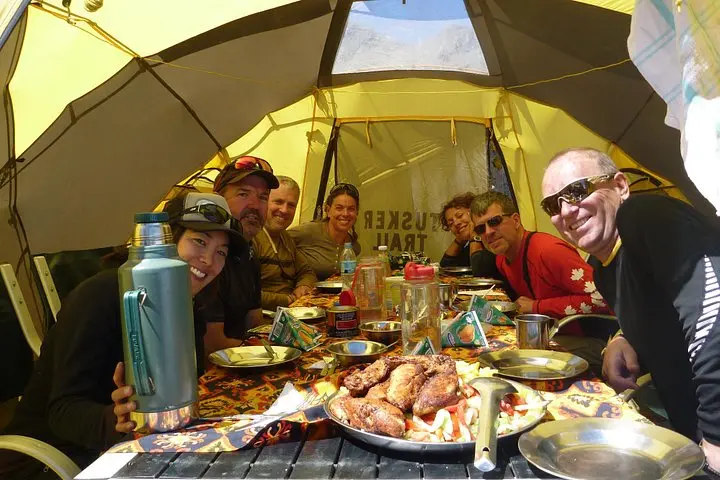
Guides provide hot breakfasts, lunches and dinners with local flair—carbohydrate‑forward dishes to fuel hikers plus snacks; notify guides of dietary restrictions in advance.
Guides may delay summit attempts or alter plans for safety; be prepared for cancellations or forced retreats if conditions become dangerous.
Tusker Trail Kilimanjaro Adventures operates guided outdoor trips and adventures with an emphasis on safety, stewardship, and memorable experiences.
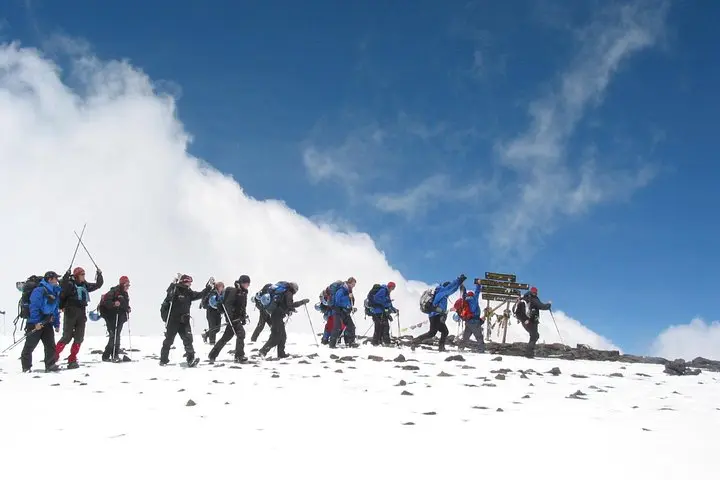
The climb begins before most towns have opened—headlamps bobbing like a slow constellation as the group files up from Barafu in the teeth of night. Cold air bites through down jackets and the track narrows; each step is a small negotiation with altitude and terrain. By the time the sun peels back the horizon, Uhuru Peak sits above the clouds, a white rim of ice and rock that feels both impossibly distant and suddenly within reach.
The climb begins before most towns have opened—headlamps bobbing like a slow constellation as the group files up from Barafu in the teeth of night. Cold air bites through down jackets and the track narrows; each step is a small negotiation with altitude and terrain. By the time the sun peels back the horizon, Uhuru Peak sits above the clouds, a white rim of ice and rock that feels both impossibly distant and suddenly within reach.
The Machame Route is a measured, scenic line on Kilimanjaro’s southern face. Over 10 days the itinerary moves from Moshi (930 m/3,050 ft) through montane rainforest, heather zones and the Shira Plateau—one of Kilimanjaro’s original calderas—before climbing the jagged skyline of Kibo and Mawenzi. Distances vary day to day: expect marches of roughly 5–12 km (3–7 miles), daily elevation changes between 300–900 m, and summit night’s steep 850 m push to 5,895 m (19,341 ft).
Geologically Kilimanjaro is a composite of three volcanoes—Kibo, Mawenzi and Shira—built from successive lava flows and shaped by glacial action; glaciers and ice cliffs on Kibo are the last remaining high‑altitude ice in East Africa. Culturally, the mountain is integral to Chagga life on the lower slopes: terraces, banana groves and small farms feed Moshi and form the human backdrop to the climb. Guides and porters—often from local communities—bring centuries of mountain knowledge, and operators here highlight trained High Altitude First Responders and experienced chefs who make the logistics feel seamless.
Practical planning makes the difference between a remembered triumph and a hard lesson. Acclimatization is the priority: the Machame route’s extra nights on the Shira Plateau and at Barranco are deliberate—move slow, stay hydrated (aim for 3–4 liters daily at altitude), and monitor symptoms of acute mountain sickness. Good layering is essential—temperatures swing from humid rainforest to subzero summit winds. Footwear should be a broken‑in, waterproof pair with good ankle support; trekking poles reduce knee stress on descents and help maintain rhythm on summit night.
Logistics are turnkey with guided outfits: camps are staffed and meals are prepared, but pack a small daypack with water, snacks, headlamp, sunscreen, and spare gloves for summit attempts. Summit timing favors an early start so climbers reach the crater rim in daylight; many teams aim for a 1–4 a.m. departure. Finally, treat the mountain with respect—stay on trail, follow guide instructions, and factor in at least a day in Moshi before and after the climb to recover or connect with local culture.
The Machame Route isn’t just a physical challenge—it’s a multi‑day shift in rhythm, from steamy forests to thin, icy air. For many, reaching Uhuru Peak at sunrise is the clean, uncluttered reward for careful preparation and steady, thoughtful ascent.