THE ADVENTURE COLLECTIVE® · Independent discovery and booking for outdoor travel

A six-day, guided Machame ascent that moves from rainforest to glacier, the route combines varied ecosystems, local expertise and a strategic acclimatization schedule designed to maximize summit odds. Expect steep trails, long summit night hours and excellent support from experienced Kilimanjaro guides.
A six-day, guided Machame ascent that moves from rainforest to glacier, the route combines varied ecosystems, local expertise and a strategic acclimatization schedule designed to maximize summit odds. Expect steep trails, long summit night hours and excellent support from experienced Kilimanjaro guides.
The day begins before dawn at Machame Gate. Headlamps carve narrow cones of light through a rainforest that feels as if it wants to keep you—moss slick on the trail, ferns brushing your calves, porters' laughter drifting ahead. As the forest thins on the first climb, the summit of Kibo rises into view: a raw, high-volcanic silhouette that will occupy your thoughts for six days.
Verified experiences and guided adventures in the surrounding area.
Operated by Kili Guides · Moshi, Kilimanjaro Region
The day begins before dawn at Machame Gate. Headlamps carve narrow cones of light through a rainforest that feels as if it wants to keep you—moss slick on the trail, ferns brushing your calves, porters' laughter drifting ahead. As the forest thins on the first climb, the summit of Kibo rises into view: a raw, high-volcanic silhouette that will occupy your thoughts for six days.
The Machame route is a classic for a reason. It threads the mountain's southwestern flanks, moving from montane rainforest into heath and moorland, across the grassy Shira Plateau and up to the lunar scree of the Alpine Desert before the final push to Uhuru Peak (5,895 m). Geologically Kilimanjaro is three volcanoes—Kibo, Mawenzi and Shira—Kibo crowned by a permanent ice cap that has been rapidly retreating for a century. Culturally the climb runs through ancestral land of the Chagga people; you’ll meet porters and guides whose knowledge of local weather and terrain is rooted in generations on these slopes.
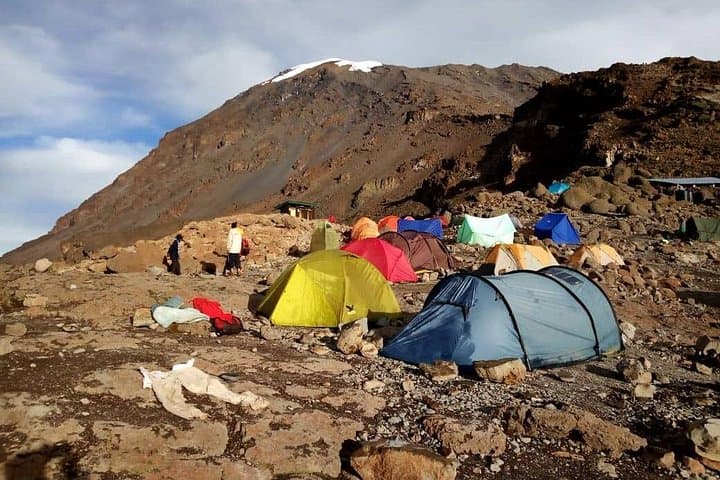
Expect steady gains each day: Machame Gate sits at roughly 1,800 m and your summit night starts from Barafu Camp at about 4,640 m. The itinerary builds altitude gradually—Shira Camp (3,845 m), Lava Tower (4,630 m) for acclimatization, Barranco (3,960 m) and Karanga before the late-night ascent. The Machame route is steeper than Rongai but rewards you with sweeping views and varied ecosystems on a six-day profile that balances pace and acclimatization.
Practical edges: footwear should be broken-in, high-traction hiking boots; gaiters are useful for scree. Hydration and sodium replacement are non-negotiable—drink often and in small amounts to help fend off altitude symptoms. Night summit attempts start around midnight; layers that trap heat but breathe are essential. Guides monitor pace closely; communicate early if you feel nausea or intense headache—descending a few hundred meters is the most effective treatment.
Logistics are straightforward with a local operator: tents, three meals a day, and transfers from Moshi are included. Weather can flip—rain in the rainforest and bone-dry wind higher up—so expect microclimates. Summit success leans on pacing, sleep, and the quality of your support crew; the company’s emphasis on experienced, personable guides and strong porter teams makes a measurable difference.
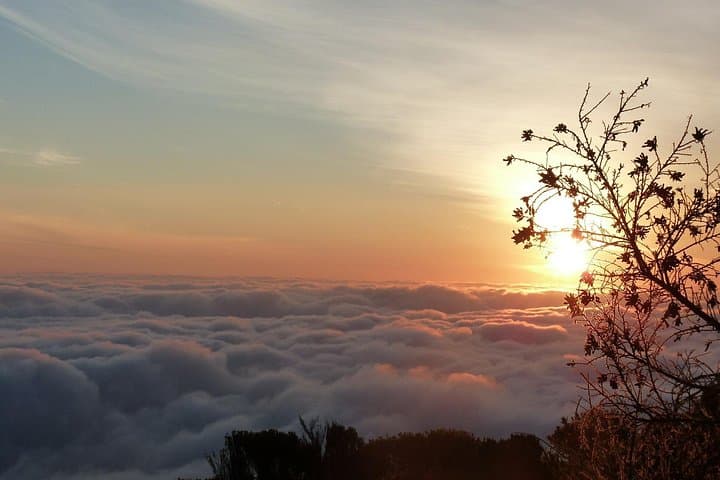
Final note: the descent can be deceptively hard—quads and toes take a beating—so use trekking poles and control your footing. Reach Uhuru at sunrise and you’ll understand why climbers keep returning: the mountain will test you, then hand you a rare, quiet view above the clouds.
No technical climbing skills are required, but prior multi-day hiking experience and good cardiovascular fitness greatly improve your chances of summiting.
Dry months (January–February and June–October) offer the most stable conditions and clearer summit views; heavy rains in March–May can make lower sections muddy and slippery.
From Machame Gate (~1,800 m) to Uhuru Peak (5,895 m) you gain roughly 4,095 m over six days—pace and acclimatization are essential.
Mild symptoms are common; the itinerary includes acclimatization stops like Lava Tower to reduce risk, but descending is the primary treatment if symptoms worsen.
Yes—this operator supplies tents, three meals per day and support crew; confirm details in the booking inclusions.
Tipping is customary; plan to tip guides and porters at the end of the trek based on service and local recommendations.
Kili Guides operates guided outdoor trips and adventures with an emphasis on safety, stewardship, and memorable experiences.
The day begins before dawn at Machame Gate. Headlamps carve narrow cones of light through a rainforest that feels as if it wants to keep you—moss slick on the trail, ferns brushing your calves, porters' laughter drifting ahead. As the forest thins on the first climb, the summit of Kibo rises into view: a raw, high-volcanic silhouette that will occupy your thoughts for six days.
The day begins before dawn at Machame Gate. Headlamps carve narrow cones of light through a rainforest that feels as if it wants to keep you—moss slick on the trail, ferns brushing your calves, porters' laughter drifting ahead. As the forest thins on the first climb, the summit of Kibo rises into view: a raw, high-volcanic silhouette that will occupy your thoughts for six days.
The Machame route is a classic for a reason. It threads the mountain's southwestern flanks, moving from montane rainforest into heath and moorland, across the grassy Shira Plateau and up to the lunar scree of the Alpine Desert before the final push to Uhuru Peak (5,895 m). Geologically Kilimanjaro is three volcanoes—Kibo, Mawenzi and Shira—Kibo crowned by a permanent ice cap that has been rapidly retreating for a century. Culturally the climb runs through ancestral land of the Chagga people; you’ll meet porters and guides whose knowledge of local weather and terrain is rooted in generations on these slopes.
Expect steady gains each day: Machame Gate sits at roughly 1,800 m and your summit night starts from Barafu Camp at about 4,640 m. The itinerary builds altitude gradually—Shira Camp (3,845 m), Lava Tower (4,630 m) for acclimatization, Barranco (3,960 m) and Karanga before the late-night ascent. The Machame route is steeper than Rongai but rewards you with sweeping views and varied ecosystems on a six-day profile that balances pace and acclimatization.
Practical edges: footwear should be broken-in, high-traction hiking boots; gaiters are useful for scree. Hydration and sodium replacement are non-negotiable—drink often and in small amounts to help fend off altitude symptoms. Night summit attempts start around midnight; layers that trap heat but breathe are essential. Guides monitor pace closely; communicate early if you feel nausea or intense headache—descending a few hundred meters is the most effective treatment.
Logistics are straightforward with a local operator: tents, three meals a day, and transfers from Moshi are included. Weather can flip—rain in the rainforest and bone-dry wind higher up—so expect microclimates. Summit success leans on pacing, sleep, and the quality of your support crew; the company’s emphasis on experienced, personable guides and strong porter teams makes a measurable difference.
Final note: the descent can be deceptively hard—quads and toes take a beating—so use trekking poles and control your footing. Reach Uhuru at sunrise and you’ll understand why climbers keep returning: the mountain will test you, then hand you a rare, quiet view above the clouds.