THE ADVENTURE COLLECTIVE® · Independent discovery and booking for outdoor travel

A seven-day ascent on the Machame Route balances careful acclimatization with day-after-day variety—rainforest, lava-scoured plateau, and a final, stark high-alpine push to Uhuru Peak. This guide outlines what to expect, how to prepare, and the on-mountain realities travelers face on Kilimanjaro’s most atmospheric route.
A seven-day ascent on the Machame Route balances careful acclimatization with day-after-day variety—rainforest, lava-scoured plateau, and a final, stark high-alpine push to Uhuru Peak. This guide outlines what to expect, how to prepare, and the on-mountain realities travelers face on Kilimanjaro’s most atmospheric route.
The low clouds lift above Moshi as your minibus threads the tea farms toward the Machame Gate—green rows giving way to a steep ribbon of road and the rainforest throat of Kilimanjaro. Porters in bright shirts move with practiced urgency, rigging tents and laying out hot water; the smell of wet earth and eucalyptus presses close. The first day’s climb takes you through a living cathedral of moss and fern, the mountain itself daring you higher as you switchback out of the canopy toward the sharp, dusty silhouette of Shira Plateau.
Verified experiences and guided adventures in the surrounding area.
Operated by Kilimanjaro Brothers · Moshi, Kilimanjaro Region
The low clouds lift above Moshi as your minibus threads the tea farms toward the Machame Gate—green rows giving way to a steep ribbon of road and the rainforest throat of Kilimanjaro. Porters in bright shirts move with practiced urgency, rigging tents and laying out hot water; the smell of wet earth and eucalyptus presses close. The first day’s climb takes you through a living cathedral of moss and fern, the mountain itself daring you higher as you switchback out of the canopy toward the sharp, dusty silhouette of Shira Plateau.
Kilimanjaro is three volcanoes in one—Kibo, Mawenzi and the older Shira—and the Machame Route traces a dramatic vertical biography: rainforest to heath, to moorland, then to high alpine and glacial desert. The seven-day Machame itinerary (roughly 62 km / 37 miles gate to gate) is engineered for acclimatization—slow gains in elevation, a sleep-high, climb-higher philosophy that substantially improves summit rates versus shorter schedules. Along the trail you’ll notice geological fingerprints: ancient lava flows on Shira, the jagged erosion towers near Lava Tower (4,630 m), and the glacial cirque that crowns Kibo.
Culturally the mountain belongs to the Chagga and Maasai peoples; in Moshi you’ll meet guides whose families have been working these slopes for generations. Ethical porter treatment and fair pay are critical—ask operators about porter policies and observe tent and tent-site behavior that reduces impact.
The real summit push—departing Barafu Camp around midnight for Uhuru Peak at 5,895 m—rewards disciplined pacing more than brute strength. Expect thin air, a lunar landscape of scree, and temperatures that can plunge below -20°C on clear nights. The descent to Mweka gate is mercifully fast but rough on knees; celebrate your certificate back in Moshi with hot showers and coffee.
Practical guidance: train with long days and sustained ascent, practice hiking poles and breathing techniques, and schedule rest before and after the trek. Carry layers for rapid weather shifts, and plan for 4–9 hour hiking days on approach legs with one long acclimatization day (Lava Tower to Barranco). Hydrate continuously—aim for 3–4 liters daily—and consider acetazolamide only after consulting a physician. The operator provides tents, sleeping mats, hot water, oxygen cylinders, Gamow bag and pulse-oximeters; still pack a warm sleeping bag rated to at least -10°C and lightweight crampon-compatible boots if you expect icy conditions.
In short, the Machame Route is a demanding, non-technical mountaineering experience that rewards patience, preparation and respect for both altitude and local culture. When you stand at Uhuru, the sky feels closer—and earned.
Machame is considered a challenging but non-technical route; its strength is altitude profile—seven days improves acclimatization and increases summit probability compared with shorter routes.
No technical high-altitude experience is required, but prior multi-day hiking and good cardiovascular fitness are important for comfort and safety.
There’s no strict age limit, but travelers should not have serious cardiac or spinal conditions and should consult a physician before booking; pregnancy is not recommended.
Guides carry pulse oximeters, VHF radios, emergency oxygen, and a Gamow bag; operators also typically include rescue fees and trained guides.
Tipping is customary—budget roughly $20–$30 per day for guides and proportionally less per porter; confirm local guidance with the operator.
The two main climbing seasons are Jan–Mar and Jun–Oct when conditions are drier and summit windows are more reliable, though weather on Kilimanjaro can change rapidly.
Kilimanjaro Brothers operates guided outdoor trips and adventures with an emphasis on safety, stewardship, and memorable experiences.
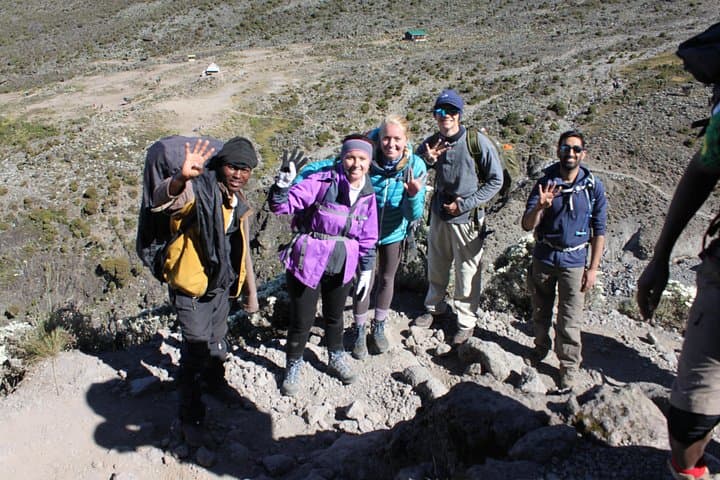
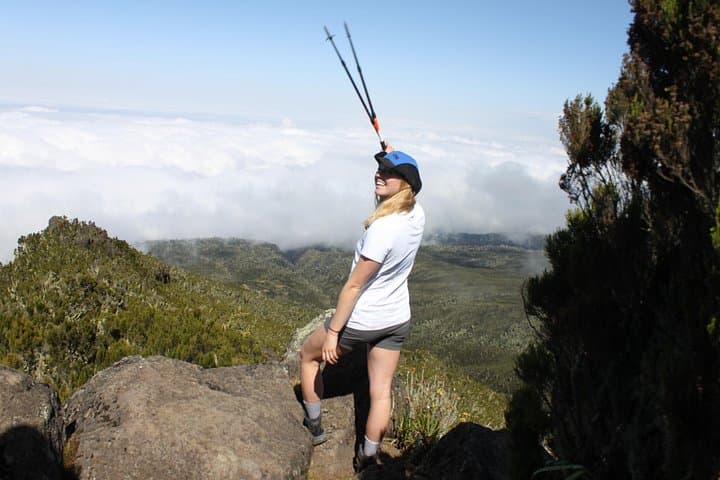
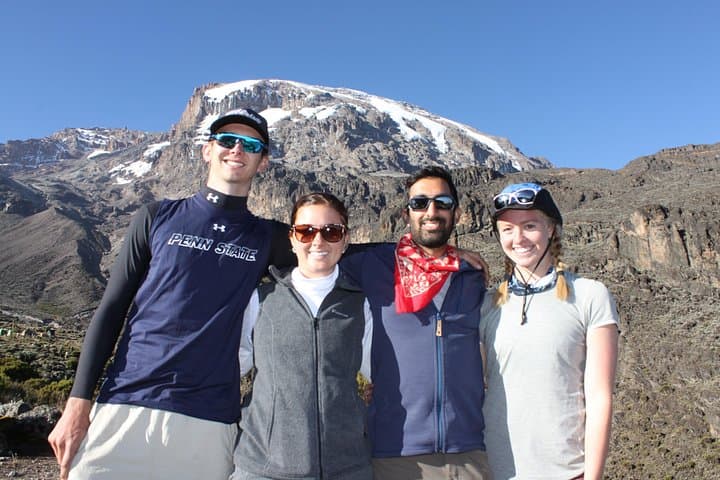
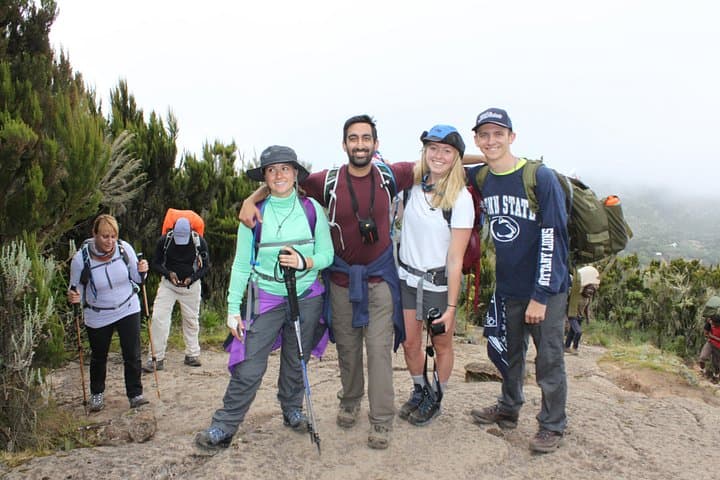
The low clouds lift above Moshi as your minibus threads the tea farms toward the Machame Gate—green rows giving way to a steep ribbon of road and the rainforest throat of Kilimanjaro. Porters in bright shirts move with practiced urgency, rigging tents and laying out hot water; the smell of wet earth and eucalyptus presses close. The first day’s climb takes you through a living cathedral of moss and fern, the mountain itself daring you higher as you switchback out of the canopy toward the sharp, dusty silhouette of Shira Plateau.
The low clouds lift above Moshi as your minibus threads the tea farms toward the Machame Gate—green rows giving way to a steep ribbon of road and the rainforest throat of Kilimanjaro. Porters in bright shirts move with practiced urgency, rigging tents and laying out hot water; the smell of wet earth and eucalyptus presses close. The first day’s climb takes you through a living cathedral of moss and fern, the mountain itself daring you higher as you switchback out of the canopy toward the sharp, dusty silhouette of Shira Plateau.
Kilimanjaro is three volcanoes in one—Kibo, Mawenzi and the older Shira—and the Machame Route traces a dramatic vertical biography: rainforest to heath, to moorland, then to high alpine and glacial desert. The seven-day Machame itinerary (roughly 62 km / 37 miles gate to gate) is engineered for acclimatization—slow gains in elevation, a sleep-high, climb-higher philosophy that substantially improves summit rates versus shorter schedules. Along the trail you’ll notice geological fingerprints: ancient lava flows on Shira, the jagged erosion towers near Lava Tower (4,630 m), and the glacial cirque that crowns Kibo.
Culturally the mountain belongs to the Chagga and Maasai peoples; in Moshi you’ll meet guides whose families have been working these slopes for generations. Ethical porter treatment and fair pay are critical—ask operators about porter policies and observe tent and tent-site behavior that reduces impact.
The real summit push—departing Barafu Camp around midnight for Uhuru Peak at 5,895 m—rewards disciplined pacing more than brute strength. Expect thin air, a lunar landscape of scree, and temperatures that can plunge below -20°C on clear nights. The descent to Mweka gate is mercifully fast but rough on knees; celebrate your certificate back in Moshi with hot showers and coffee.
Practical guidance: train with long days and sustained ascent, practice hiking poles and breathing techniques, and schedule rest before and after the trek. Carry layers for rapid weather shifts, and plan for 4–9 hour hiking days on approach legs with one long acclimatization day (Lava Tower to Barranco). Hydrate continuously—aim for 3–4 liters daily—and consider acetazolamide only after consulting a physician. The operator provides tents, sleeping mats, hot water, oxygen cylinders, Gamow bag and pulse-oximeters; still pack a warm sleeping bag rated to at least -10°C and lightweight crampon-compatible boots if you expect icy conditions.
In short, the Machame Route is a demanding, non-technical mountaineering experience that rewards patience, preparation and respect for both altitude and local culture. When you stand at Uhuru, the sky feels closer—and earned.