THE ADVENTURE COLLECTIVE® · Independent discovery and booking for outdoor travel

Seven days on the Machame Route take you from rainforest to the Roof of Africa. This practical guide explains what to expect—terrain, daily distances, acclimatization strategy and smart gear choices—for a successful Kilimanjaro summit.
Seven days on the Machame Route take you from rainforest to the Roof of Africa. This practical guide explains what to expect—terrain, daily distances, acclimatization strategy and smart gear choices—for a successful Kilimanjaro summit.
Dawn at Machame Gate casts the rainforest in gray-green light; humidity clings to your jacket as the trail drinks your breath. The path threads beneath giant ferns, pushes through moorland on the Shira Plateau, and grinds upward past volcanic scree toward the knife-edge silhouette of Kibo.
Verified experiences and guided adventures in the surrounding area.
Operated by Kilimanjaro Winners Safaris · Moshi, Kilimanjaro Region
Dawn at Machame Gate casts the rainforest in gray-green light; humidity clings to your jacket as the trail drinks your breath. The path threads beneath giant ferns, pushes through moorland on the Shira Plateau, and grinds upward past volcanic scree toward the knife-edge silhouette of Kibo.
Kilimanjaro is a dormant stratovolcano whose three volcanic cones—Kibo, Mawenzi and Shira—tell a geological story of uplift and erosion. The mountain rises directly from the plains, creating sharply shifting habitats: rainforest, heath and moor, alpine desert and finally an arctic summit where the air is thin and the ground is gravel and ice. The Chagga people have stewarded the lower slopes for generations; day trips to nearby villages reveal coffee farms and stone-built homesteads.
On the Machame Route expect steady uphill days, an acclimatization detour to Lava Tower, and the classic midnight push from Barafu to Uhuru Peak. Steps can be muddy or loose; trails range from singletrack through trees to exposed scree fields. Guides and porters handle camp logistics—good groups emphasize fair wages and care for porters.
Practical pointers: pace conservatively, drink frequently, and carry layers for rapid temperature swings. Bring sturdy boots, a warm sleeping bag rated for alpine nights, trekking poles for mud and scree, and sun protection for high-altitude UV. Summit night is long and cold—start slow, monitor symptoms of altitude sickness, and follow your guide’s rhythm. Finished at Mweka Gate, you'll trade crampons for sandals and feel the mountain’s pull already fading into memory.
Machame is steeper and more scenic than Marangu and offers better acclimatization than shorter routes; it is non-technical but physically demanding.
Most operators include park fees and VAT in the package; confirm with your provider and expect permit processing at registration.
With proper pacing, acclimatization and a reputable guide, many climbers reach Uhuru Peak, but success depends on fitness, weather and individual altitude response.
Guides are trained to recognize symptoms; standard responses include stopping ascent, descent to lower camp and administering oxygen if available—always follow medical advice.
Kilimanjaro Winners Safaris operates guided outdoor trips and adventures with an emphasis on safety, stewardship, and memorable experiences.
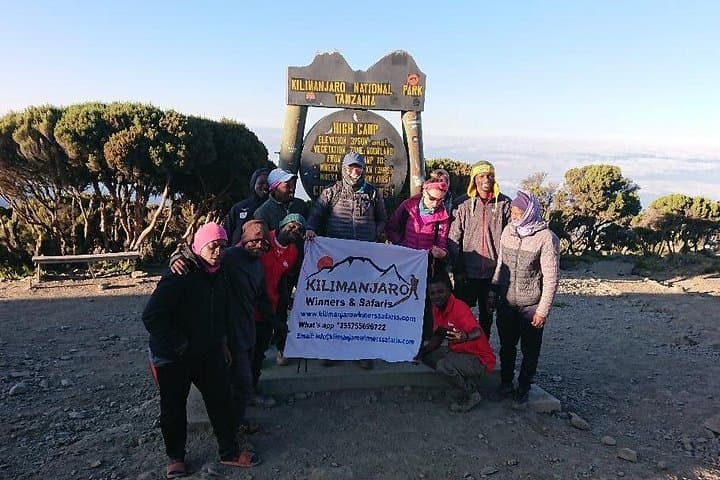
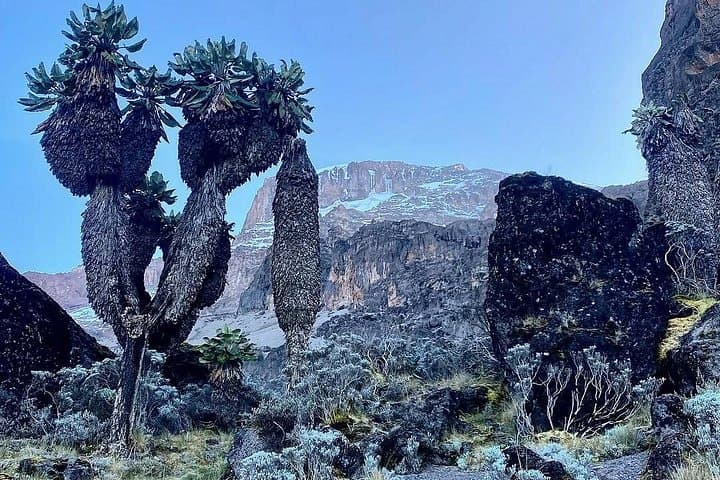
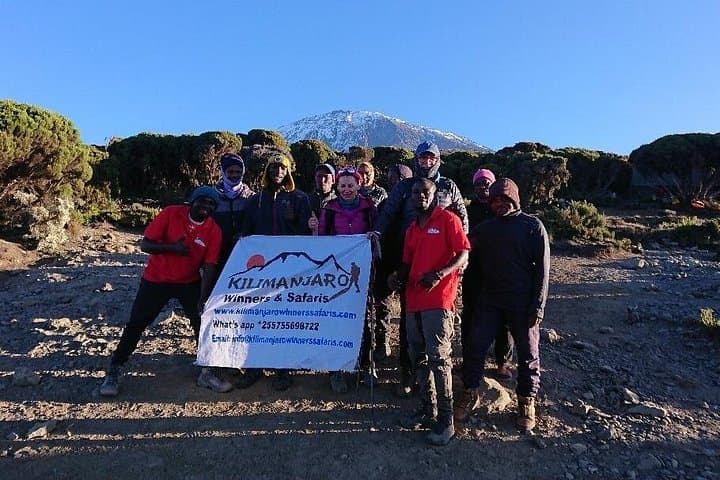
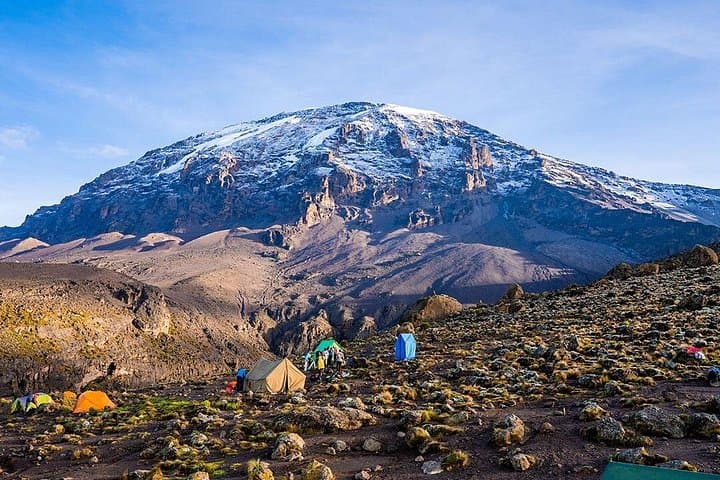
Dawn at Machame Gate casts the rainforest in gray-green light; humidity clings to your jacket as the trail drinks your breath. The path threads beneath giant ferns, pushes through moorland on the Shira Plateau, and grinds upward past volcanic scree toward the knife-edge silhouette of Kibo.
Dawn at Machame Gate casts the rainforest in gray-green light; humidity clings to your jacket as the trail drinks your breath. The path threads beneath giant ferns, pushes through moorland on the Shira Plateau, and grinds upward past volcanic scree toward the knife-edge silhouette of Kibo.
Kilimanjaro is a dormant stratovolcano whose three volcanic cones—Kibo, Mawenzi and Shira—tell a geological story of uplift and erosion. The mountain rises directly from the plains, creating sharply shifting habitats: rainforest, heath and moor, alpine desert and finally an arctic summit where the air is thin and the ground is gravel and ice. The Chagga people have stewarded the lower slopes for generations; day trips to nearby villages reveal coffee farms and stone-built homesteads.
On the Machame Route expect steady uphill days, an acclimatization detour to Lava Tower, and the classic midnight push from Barafu to Uhuru Peak. Steps can be muddy or loose; trails range from singletrack through trees to exposed scree fields. Guides and porters handle camp logistics—good groups emphasize fair wages and care for porters.
Practical pointers: pace conservatively, drink frequently, and carry layers for rapid temperature swings. Bring sturdy boots, a warm sleeping bag rated for alpine nights, trekking poles for mud and scree, and sun protection for high-altitude UV. Summit night is long and cold—start slow, monitor symptoms of altitude sickness, and follow your guide’s rhythm. Finished at Mweka Gate, you'll trade crampons for sandals and feel the mountain’s pull already fading into memory.