
Kilimanjaro Marangu Route: 5-Day Hut Trek to Uhuru Peak (Guided)
A classic hut-to-hut climb, the Marangu Route takes trekkers from rainforests to the crater rim of Mount Kilimanjaro in five intense days. This guided itinerary pairs straightforward logistics with a demanding summit push to Uhuru Peak.
An Adventure In Moshi.
A classic hut-to-hut climb, the Marangu Route takes trekkers from rainforests to the crater rim of Mount Kilimanjaro in five intense days. This guided itinerary pairs straightforward logistics with a demanding summit push to Uhuru Peak.
Read the full experience
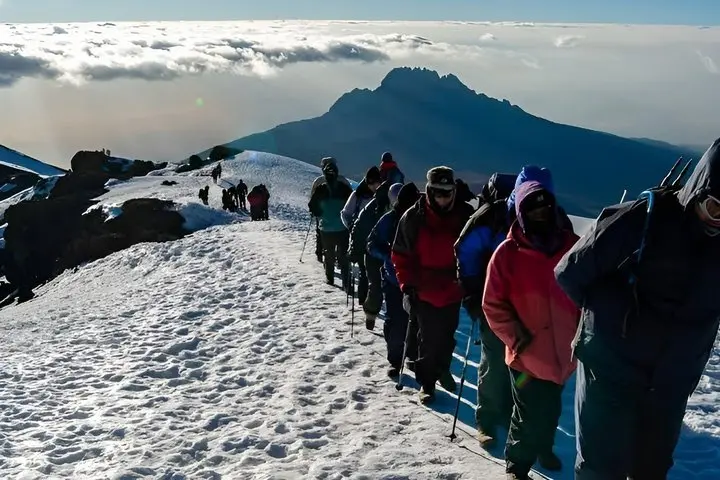
You stand at Marangu Gate as dawn comes up over the rainforest, damp leaf litter underfoot and porters tightening straps on bulging packs. Rainforest trails give way to giant lobelia, then to a lunar saddle between Mawenzi and Kibo where wind and scree test every step. By midnight on summit night the mountain narrows your world to a headlamp beam and the steady rhythm of boots—one slow, deliberate step at a time.
You stand at Marangu Gate as dawn comes up over the rainforest, damp leaf litter underfoot and porters tightening straps on bulging packs. Rainforest trails give way to giant lobelia, then to a lunar saddle between Mawenzi and Kibo where wind and scree test every step. By midnight on summit night the mountain narrows your world to a headlamp beam and the steady rhythm of boots—one slow, deliberate step at a time.
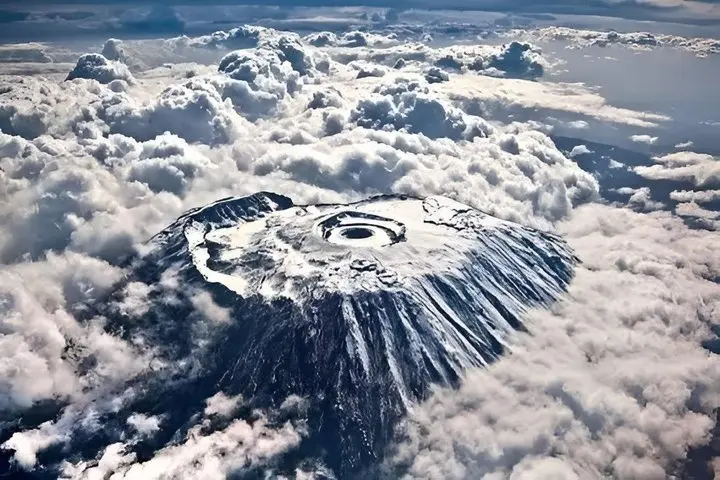
The Marangu Route is Kilimanjaro’s classic hut-to-hut line, used since early 20th-century expeditions. Geologically, Kibo is a dormant stratovolcano with an ice-capped crater rim; its retreating glaciers are visible reminders of a changing climate. Culturally, the route traverses land of the Chagga people—villages below still farm the fertile volcanic soils and often meet trekkers with tea and stories.
Expect varied terrain: slippery rainforest paths, ericaceous moorland, high-altitude desert and steep scree. Huts offer basic dorm sleeping and respite but not technical shelter—this is trekking, not mountaineering. Guides and porters manage logistics, permits and acclimatization pacing; their experience is the difference between a summit and an early retreat.
Practical guidance: prioritize acclimatization, hydrate steadily, and use gaiters and trekking poles for muddy and scree sections. Bring a dependable headlamp and layered insulation for the summit push. Allow five days for the Marangu itinerary, budget time for recovery in Moshi, and plan tips and park fees into your trip cost. With realistic fitness and respect for altitude, the Marangu Route delivers a direct, culturally rich line to Uhuru Peak.
Frequently asked questions
No—Marangu is a non-technical trek requiring stamina, good boots and altitude-awareness rather than rope or ice-ax skills.
Acclimatize by following guide pacing, stay hydrated, avoid alcohol, and inform staff early; guides carry oxygen and oximeters for monitoring.
Typical inclusions are permits, hut accommodation, meals on the mountain, guide and porter services, and transfers to/from Moshi or Kilimanjaro Airport as listed.
Older children (10+) with prior trekking experience and strong fitness can manage the route, but summit success varies and parental judgment is crucial.
About This Experience
Africa Independent Adventures operates guided outdoor trips and adventures with an emphasis on safety, stewardship, and memorable experiences.
Adventure tips
Recommended gear
- Sturdy waterproof trekking boots: Support and grip for muddy rainforest and loose high-altitude scree.
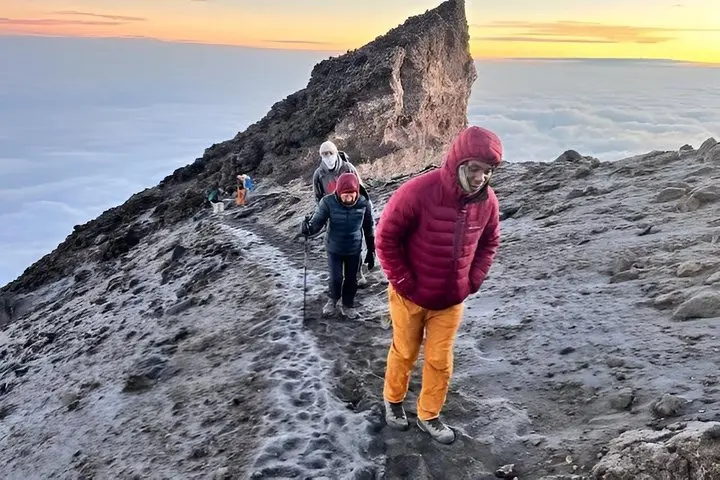
- Insulated down jacket: Summit night and crater rim temperatures drop well below freezing.
- Trekking poles and gaiters: Poles aid balance on scree and steep sections; gaiters keep mud and grit out of boots.
- Headlamp with fresh batteries: Essential for the pre-dawn summit push and night-time hut routines.
Photos of the experience
Related adventures & guides
Read the full experience
You stand at Marangu Gate as dawn comes up over the rainforest, damp leaf litter underfoot and porters tightening straps on bulging packs. Rainforest trails give way to giant lobelia, then to a lunar saddle between Mawenzi and Kibo where wind and scree test every step. By midnight on summit night the mountain narrows your world to a headlamp beam and the steady rhythm of boots—one slow, deliberate step at a time.
You stand at Marangu Gate as dawn comes up over the rainforest, damp leaf litter underfoot and porters tightening straps on bulging packs. Rainforest trails give way to giant lobelia, then to a lunar saddle between Mawenzi and Kibo where wind and scree test every step. By midnight on summit night the mountain narrows your world to a headlamp beam and the steady rhythm of boots—one slow, deliberate step at a time.
The Marangu Route is Kilimanjaro’s classic hut-to-hut line, used since early 20th-century expeditions. Geologically, Kibo is a dormant stratovolcano with an ice-capped crater rim; its retreating glaciers are visible reminders of a changing climate. Culturally, the route traverses land of the Chagga people—villages below still farm the fertile volcanic soils and often meet trekkers with tea and stories.
Expect varied terrain: slippery rainforest paths, ericaceous moorland, high-altitude desert and steep scree. Huts offer basic dorm sleeping and respite but not technical shelter—this is trekking, not mountaineering. Guides and porters manage logistics, permits and acclimatization pacing; their experience is the difference between a summit and an early retreat.
Practical guidance: prioritize acclimatization, hydrate steadily, and use gaiters and trekking poles for muddy and scree sections. Bring a dependable headlamp and layered insulation for the summit push. Allow five days for the Marangu itinerary, budget time for recovery in Moshi, and plan tips and park fees into your trip cost. With realistic fitness and respect for altitude, the Marangu Route delivers a direct, culturally rich line to Uhuru Peak.
Make a day of it nearby.
Verified experiences and guided adventures in the surrounding area.