THE ADVENTURE COLLECTIVE® · Independent discovery and booking for outdoor travel

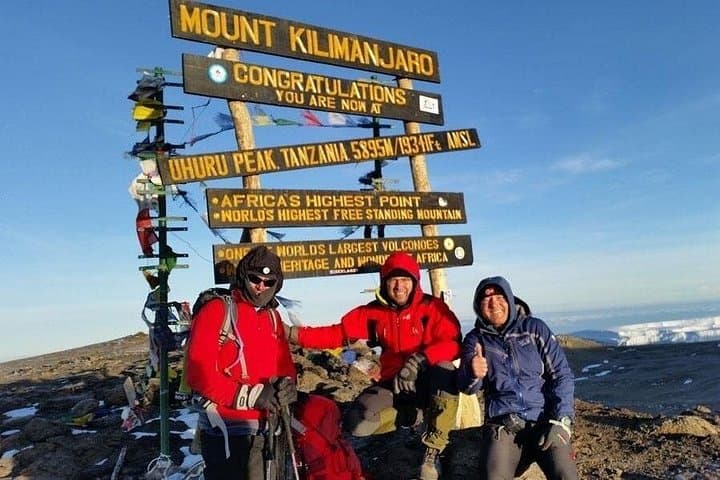
A direct, hut-based climb up Africa’s highest mountain, the Marangu Route trades technical exposure for steep altitude gain. Expect rainforest, moorland, and a tough pre-dawn summit push to Uhuru Peak—plan an extra acclimatization day to improve your odds.
A direct, hut-based climb up Africa’s highest mountain, the Marangu Route trades technical exposure for steep altitude gain. Expect rainforest, moorland, and a tough pre-dawn summit push to Uhuru Peak—plan an extra acclimatization day to improve your odds.
Night air on the lower slopes smells of wet earth and wood smoke as your vehicle pulls into Marangu Gate and porters load duffels under a sky freckled with stars. The first steps take you into a humid rainforest where ferns brush your calves and rain gullies dare you to keep a steady pace.
Verified experiences and guided adventures in the surrounding area.
Operated by Kanje grand tours · Marangu, Kilimanjaro Region
Night air on the lower slopes smells of wet earth and wood smoke as your vehicle pulls into Marangu Gate and porters load duffels under a sky freckled with stars. The first steps take you into a humid rainforest where ferns brush your calves and rain gullies dare you to keep a steady pace.
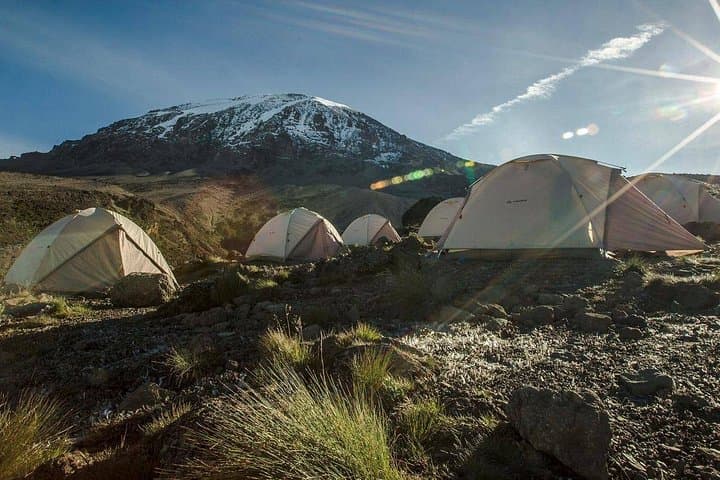
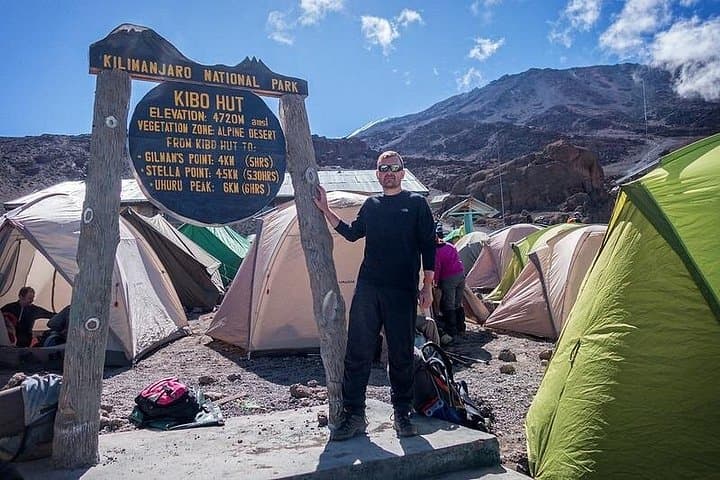
Marangu is the park’s oldest, most direct corridor to Uhuru Peak and historically the first route used by colonial and early 20th-century expeditions. Geologically, Kilimanjaro is a dormant stratovolcano with three cones—Kibo, Mawenzi and Shira—and the Marangu trail climbs the southern flanks, moving from montane forest into heath and then a high-altitude moorland that gives way to the lunar saddle between Mawenzi and Kibo.
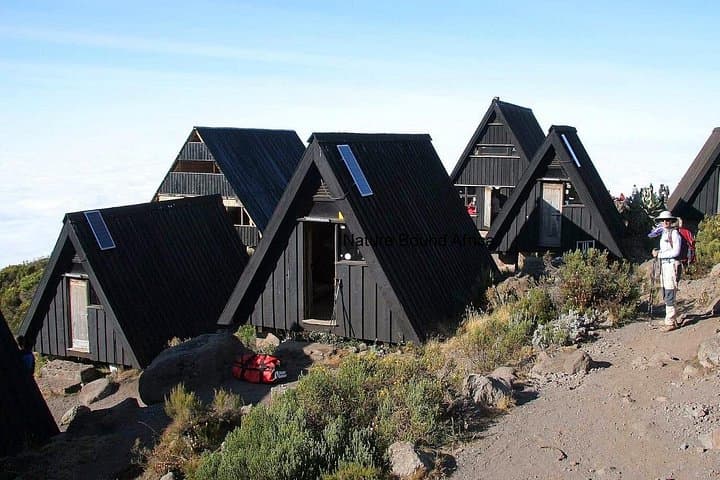
Culturally, towns like Marangu and Moshi are Chagga heartlands; guides and crew draw on local climbing traditions and long experience leading trekkers on hut-based ascents. The route’s hut accommodation and well-worn switchbacks make logistics straightforward, but altitude is the real rival: gain from roughly 1,830m at gate to 5,895m at Uhuru Peak in a short span.
Practical guidance: plan for 5–6 days with an extra acclimatization night at Horombo to raise success rates. Bring gaiters and poles for muddy forest and scree; layer for rapid temperature swings and an insulated jacket for the pre-dawn summit push (midnight–2 a.m.). Hydrate, pace conservatively, and trust your guide—summit attempts hinge on slow, steady progress, careful rest, and respecting symptoms of altitude.
No technical climbing or rope work is required; the challenge is altitude, long days, and steep scree near the summit.
Yes—Marangu is the only route offering hut accommodation with beds and mattresses at key camps.
Five days is possible but has a higher failure rate; adding a sixth day for acclimatization at Horombo increases success odds significantly.
Park entry permits and KINAPA fees are required; check local health advice for routine travel vaccinations and anti-malarial guidance for lower elevations.
Kanje grand tours operates guided outdoor trips and adventures with an emphasis on safety, stewardship, and memorable experiences.
Night air on the lower slopes smells of wet earth and wood smoke as your vehicle pulls into Marangu Gate and porters load duffels under a sky freckled with stars. The first steps take you into a humid rainforest where ferns brush your calves and rain gullies dare you to keep a steady pace.
Night air on the lower slopes smells of wet earth and wood smoke as your vehicle pulls into Marangu Gate and porters load duffels under a sky freckled with stars. The first steps take you into a humid rainforest where ferns brush your calves and rain gullies dare you to keep a steady pace.
Marangu is the park’s oldest, most direct corridor to Uhuru Peak and historically the first route used by colonial and early 20th-century expeditions. Geologically, Kilimanjaro is a dormant stratovolcano with three cones—Kibo, Mawenzi and Shira—and the Marangu trail climbs the southern flanks, moving from montane forest into heath and then a high-altitude moorland that gives way to the lunar saddle between Mawenzi and Kibo.
Culturally, towns like Marangu and Moshi are Chagga heartlands; guides and crew draw on local climbing traditions and long experience leading trekkers on hut-based ascents. The route’s hut accommodation and well-worn switchbacks make logistics straightforward, but altitude is the real rival: gain from roughly 1,830m at gate to 5,895m at Uhuru Peak in a short span.
Practical guidance: plan for 5–6 days with an extra acclimatization night at Horombo to raise success rates. Bring gaiters and poles for muddy forest and scree; layer for rapid temperature swings and an insulated jacket for the pre-dawn summit push (midnight–2 a.m.). Hydrate, pace conservatively, and trust your guide—summit attempts hinge on slow, steady progress, careful rest, and respecting symptoms of altitude.