THE ADVENTURE COLLECTIVE® · Independent discovery and booking for outdoor travel

A classic hut-to-hut climb, the Marangu Route is Kilimanjaro’s most established path—designed for steady ascents, built-in acclimatization, and one unforgettable summit sunrise. Here’s what to expect and how to prepare for a 6‑day push to Uhuru Peak.
A classic hut-to-hut climb, the Marangu Route is Kilimanjaro’s most established path—designed for steady ascents, built-in acclimatization, and one unforgettable summit sunrise. Here’s what to expect and how to prepare for a 6‑day push to Uhuru Peak.
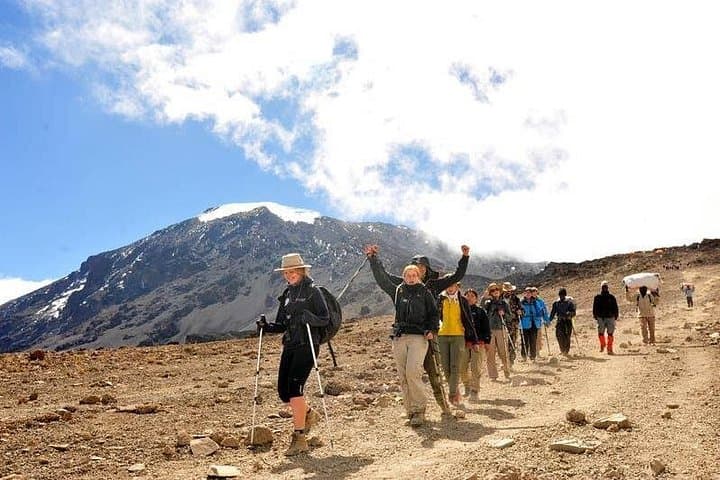
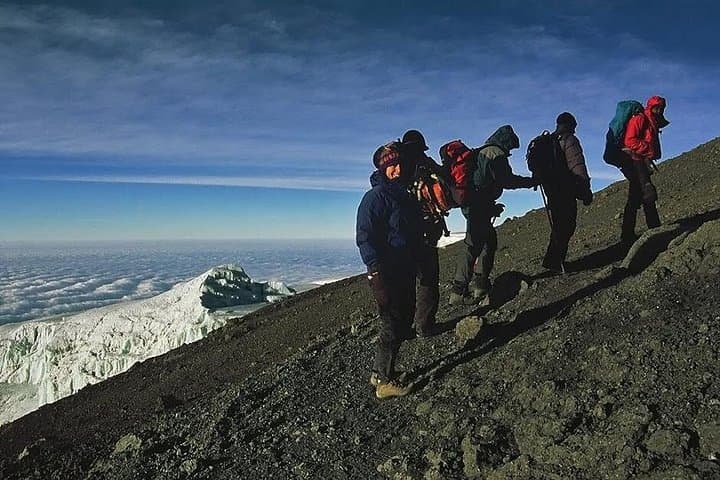
You wake before midnight, the camp a scatter of breathing lanterns, and the mountain already moving around you—rock, wind, and a slow, steady human tide headed uphill. On the Marangu Route, the approach feels like a procession: guides and porters carving steps through loose volcanic scree, headlamps bobbing like drowned stars. The final push is raw and elemental—an altitude-forged hush broken only by the slow puff of breath and the soft clink of trekking poles.
Verified experiences and guided adventures in the surrounding area.
Operated by Africa Joy Tours - Day Tours / Mult Day Tours · Marangu, Kilimanjaro Region
You wake before midnight, the camp a scatter of breathing lanterns, and the mountain already moving around you—rock, wind, and a slow, steady human tide headed uphill. On the Marangu Route, the approach feels like a procession: guides and porters carving steps through loose volcanic scree, headlamps bobbing like drowned stars. The final push is raw and elemental—an altitude-forged hush broken only by the slow puff of breath and the soft clink of trekking poles.
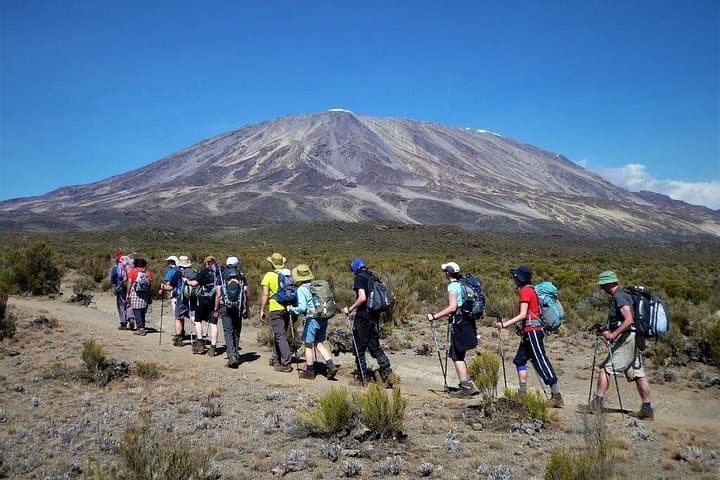
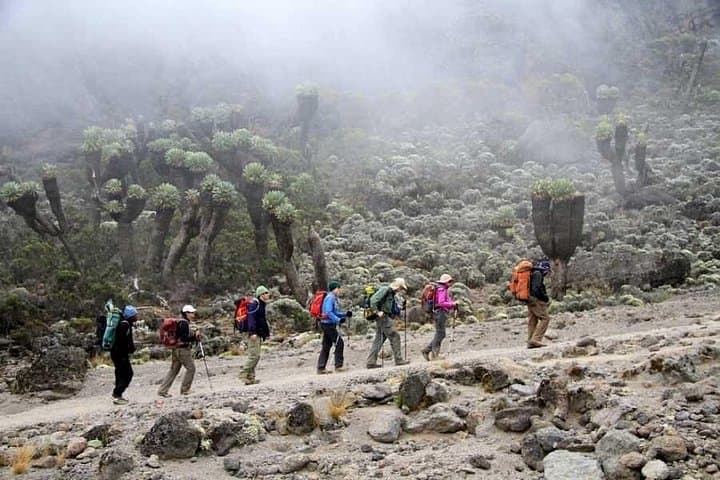
The Marangu Route has long been Kilimanjaro’s most established path. Chosen in the early 20th century by the first Europeans to map the mountain, it trades technical difficulty for repetition and hut-based nights, making summit attempts more accessible to travelers comfortable with long days and high altitude. Geologically, Kilimanjaro is a dormant stratovolcano with a volcanic cone (Kibo) and two subsidiary peaks (Mawenzi and Shira). The climb threads through distinct ecological bands—tropical rainforest, heath and moorland, alpine desert, and finally the crater rim—each with its own light and mood.
Culturally, the approach starts near Marangu village and the Kilimanjaro Mountain Resort, where Chagga townspeople run lodges, supply chains, and the slow logistics of summit support. Porters are local climbers whose presence is central to the route’s rhythm: they carry your kit, manage camp, and often share stories of the mountain that double as practical counsel.
Practically, the itinerary staggers elevation to aid acclimatization: Mandara Hut (2,700 m), Horombo Hut (3,720 m), Kibo Hut (4,700 m) and a predawn ascent to Gillman’s Point (5,685 m) with the option to continue to Uhuru Peak (5,895 m). Expect 4–7 hours on intermediate days and one long summit day of 13–15 hours round trip. Terrain ranges from muddy forest trails to exposed scree and wind-scoured lunar rock.
Prepare for altitude first: hydrate, eat, and move deliberately. Footwear should be stiff-soled and well-broken-in; a lightweight down or synthetic jacket is essential for summit-night temperatures, which can plummet well below freezing. Sleep in huts that are basic but dry; there is limited water above Kibo Hut. Permits and park fees are required and usually handled by the operator; confirm porter tipping policy ahead of time.
The Marangu Route offers a pragmatic way to stand on Africa’s roof. You won’t find technical rock climbing, but you will meet a mountain that tests pace, patience, and respect for altitude. When the sun finally spills over Mawenzi and paints the crater rim gold, the climb’s arithmetic—hours, steps, and slow refusals to rush—resolves into a singular, hard-earned view.
No technical climbing skills are required; however, you must be comfortable with long days of hiking and high-altitude conditions.
January–February and August–September offer the most stable weather; avoid long rains in March–May.
Huts on the Marangu Route have dormitory-style rooms with basic beds and shared facilities; bring a warm sleeping liner.
Success depends on fitness, acclimatization, and weather—operators with experienced guides report higher success rates than average.
Operators usually include guides and porters; confirm porter loads, tipping expectations, and permits before booking.
Recognize symptoms early—headache, nausea, fatigue—and descend immediately if severe; acclimatization days are built into the itinerary to reduce risk.
Africa Joy Tours - Day Tours / Mult Day Tours operates guided outdoor trips and adventures with an emphasis on safety, stewardship, and memorable experiences.
You wake before midnight, the camp a scatter of breathing lanterns, and the mountain already moving around you—rock, wind, and a slow, steady human tide headed uphill. On the Marangu Route, the approach feels like a procession: guides and porters carving steps through loose volcanic scree, headlamps bobbing like drowned stars. The final push is raw and elemental—an altitude-forged hush broken only by the slow puff of breath and the soft clink of trekking poles.
You wake before midnight, the camp a scatter of breathing lanterns, and the mountain already moving around you—rock, wind, and a slow, steady human tide headed uphill. On the Marangu Route, the approach feels like a procession: guides and porters carving steps through loose volcanic scree, headlamps bobbing like drowned stars. The final push is raw and elemental—an altitude-forged hush broken only by the slow puff of breath and the soft clink of trekking poles.
The Marangu Route has long been Kilimanjaro’s most established path. Chosen in the early 20th century by the first Europeans to map the mountain, it trades technical difficulty for repetition and hut-based nights, making summit attempts more accessible to travelers comfortable with long days and high altitude. Geologically, Kilimanjaro is a dormant stratovolcano with a volcanic cone (Kibo) and two subsidiary peaks (Mawenzi and Shira). The climb threads through distinct ecological bands—tropical rainforest, heath and moorland, alpine desert, and finally the crater rim—each with its own light and mood.
Culturally, the approach starts near Marangu village and the Kilimanjaro Mountain Resort, where Chagga townspeople run lodges, supply chains, and the slow logistics of summit support. Porters are local climbers whose presence is central to the route’s rhythm: they carry your kit, manage camp, and often share stories of the mountain that double as practical counsel.
Practically, the itinerary staggers elevation to aid acclimatization: Mandara Hut (2,700 m), Horombo Hut (3,720 m), Kibo Hut (4,700 m) and a predawn ascent to Gillman’s Point (5,685 m) with the option to continue to Uhuru Peak (5,895 m). Expect 4–7 hours on intermediate days and one long summit day of 13–15 hours round trip. Terrain ranges from muddy forest trails to exposed scree and wind-scoured lunar rock.
Prepare for altitude first: hydrate, eat, and move deliberately. Footwear should be stiff-soled and well-broken-in; a lightweight down or synthetic jacket is essential for summit-night temperatures, which can plummet well below freezing. Sleep in huts that are basic but dry; there is limited water above Kibo Hut. Permits and park fees are required and usually handled by the operator; confirm porter tipping policy ahead of time.
The Marangu Route offers a pragmatic way to stand on Africa’s roof. You won’t find technical rock climbing, but you will meet a mountain that tests pace, patience, and respect for altitude. When the sun finally spills over Mawenzi and paints the crater rim gold, the climb’s arithmetic—hours, steps, and slow refusals to rush—resolves into a singular, hard-earned view.