THE ADVENTURE COLLECTIVE® · Independent discovery and booking for outdoor travel

A six-day guided climb from Marangu Gate to Uhuru Peak that balances hut comfort with high-altitude strategy. Expect rainforest, moorland and a single long night ascent to reach Kilimanjaro’s 5,895m summit.
A six-day guided climb from Marangu Gate to Uhuru Peak that balances hut comfort with high-altitude strategy. Expect rainforest, moorland and a single long night ascent to reach Kilimanjaro’s 5,895m summit.
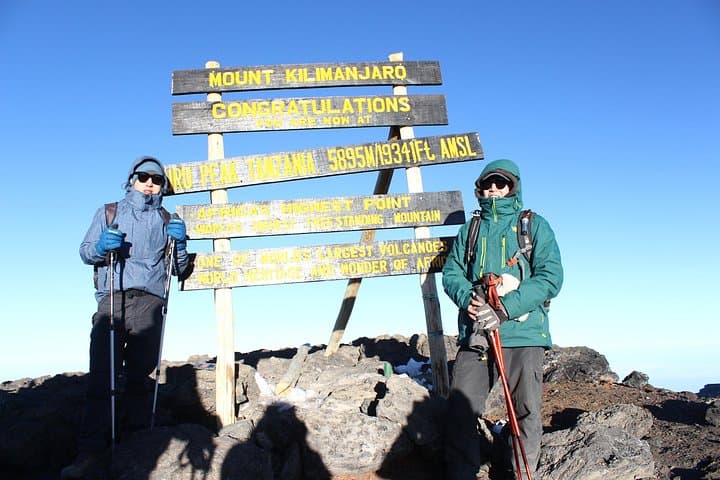
At 2 a.m. on summit night the mountain is not a view so much as a direction: a black lip of rock cutting into the sky, a trail of headlamps zigzagging up loose scree toward the rim. You begin the Kilimanjaro Marangu Route in the humid dark of the rainforest, where the trail smells of wet earth and giant heathers unroll like small trees. By day three the trees give way to moorland and then a windswept saddle of volcanic rock; by day five you are above 4,600m, feeling the thin air press every breath into a shallow, deliberate rhythm.
Verified experiences and guided adventures in the surrounding area.
Operated by Jaribu Africa Adventures · Moshi, Kilimanjaro Region
At 2 a.m. on summit night the mountain is not a view so much as a direction: a black lip of rock cutting into the sky, a trail of headlamps zigzagging up loose scree toward the rim. You begin the Kilimanjaro Marangu Route in the humid dark of the rainforest, where the trail smells of wet earth and giant heathers unroll like small trees. By day three the trees give way to moorland and then a windswept saddle of volcanic rock; by day five you are above 4,600m, feeling the thin air press every breath into a shallow, deliberate rhythm.
The Marangu is one of Kilimanjaro’s classic paths and one of the few that offers hut accommodation, though this itinerary mixes hut nights with high-camp tents and support from local guides and porters. Geologically Kilimanjaro is a composite volcanic massif — Kibo, Mawenzi and Shira are relics of separate eruptive episodes — and the Marangu route swings you around Kibo’s southern and eastern flanks. The climb follows a pragmatic acclimatization strategy: “trek high, sleep low” with acclimatization walks from Horombo and a climb to Lava Tower for panoramic assessment of weather and altitude response.
Cultural context is everywhere on approach. You’ll pass small Chagga farms on the lower slopes and meet porters whose efficiency and warmth are a logistical backbone of every summit attempt. The operator’s inclusions — Gamow bag, pulse oximeter, AMREF evacuation cover and trained wilderness-first-responder guides — reflect how commercial treks have professionalized safety where altitude and remoteness converge.
Practical guidance: the itinerary gains roughly 4,000m from Marangu Gate (~1,830m) to Uhuru Peak (5,895m) across 6 days, with key legs: Day 1 Marangu Gate to Mandara Hut 7 km/4–5 hrs (+910m), Day 2 to Horombo ~11 km/5–6 hrs (+1,000m), Day 4 to Kibo ~10 km/6–7 hrs, and the summit push (11–15 hrs roundtrip) from Kibo via Gilman’s Point to Uhuru Peak and down to Horombo. Expect varied terrain: muddy forest trails, tussock moorland, rock and scree on the saddle, and steep zigzags on the final ascent. Summit night starts near midnight; plan to move slowly, rest often and follow your guide’s pacing.
Gear and logistics: bring a layered system for sub-zero summit temps, a reliable headlamp, well-broken-in waterproof boots, and trekking poles for steep scree. Hydrate proactively and monitor symptoms of AMS — the inclusion of oxygen and evacuation services is not an invitation to push through symptoms. Finally, tip generously for porters and listen to local staff about trail conditions and weather. When you reach the rim and the sun flings light across the glaciers and Mawenzi’s jagged teeth, the hardship will clarify into a simple result: altitude, patience and practiced logistics earning you a rare, high vantage point over east Africa.
Kilimanjaro National Park fees and park rescue charges are included in most packages; your operator should register you at Marangu Gate.
Altitude sickness risk is present; the 6-day plan includes acclimatization days and medical equipment but requires you to monitor symptoms and report issues early.
The Marangu route offers huts lower on the mountain, but this itinerary mixes huts with high-camp tents (Kibo) for summit approach.
Dry seasons (January–March and June–October) offer the most stable weather and clearer summit views; short and long rains increase trail difficulty.
Specialized mountaineering gear is generally not required on Marangu, but microspikes or crampons may be useful if icy conditions are present near the summit.
A common guideline is $10–$20 per porter per day and $25–$50 per guide for the entire climb, adjusted for service and group size.
Jaribu Africa Adventures operates guided outdoor trips and adventures with an emphasis on safety, stewardship, and memorable experiences.
At 2 a.m. on summit night the mountain is not a view so much as a direction: a black lip of rock cutting into the sky, a trail of headlamps zigzagging up loose scree toward the rim. You begin the Kilimanjaro Marangu Route in the humid dark of the rainforest, where the trail smells of wet earth and giant heathers unroll like small trees. By day three the trees give way to moorland and then a windswept saddle of volcanic rock; by day five you are above 4,600m, feeling the thin air press every breath into a shallow, deliberate rhythm.
At 2 a.m. on summit night the mountain is not a view so much as a direction: a black lip of rock cutting into the sky, a trail of headlamps zigzagging up loose scree toward the rim. You begin the Kilimanjaro Marangu Route in the humid dark of the rainforest, where the trail smells of wet earth and giant heathers unroll like small trees. By day three the trees give way to moorland and then a windswept saddle of volcanic rock; by day five you are above 4,600m, feeling the thin air press every breath into a shallow, deliberate rhythm.
The Marangu is one of Kilimanjaro’s classic paths and one of the few that offers hut accommodation, though this itinerary mixes hut nights with high-camp tents and support from local guides and porters. Geologically Kilimanjaro is a composite volcanic massif — Kibo, Mawenzi and Shira are relics of separate eruptive episodes — and the Marangu route swings you around Kibo’s southern and eastern flanks. The climb follows a pragmatic acclimatization strategy: “trek high, sleep low” with acclimatization walks from Horombo and a climb to Lava Tower for panoramic assessment of weather and altitude response.
Cultural context is everywhere on approach. You’ll pass small Chagga farms on the lower slopes and meet porters whose efficiency and warmth are a logistical backbone of every summit attempt. The operator’s inclusions — Gamow bag, pulse oximeter, AMREF evacuation cover and trained wilderness-first-responder guides — reflect how commercial treks have professionalized safety where altitude and remoteness converge.
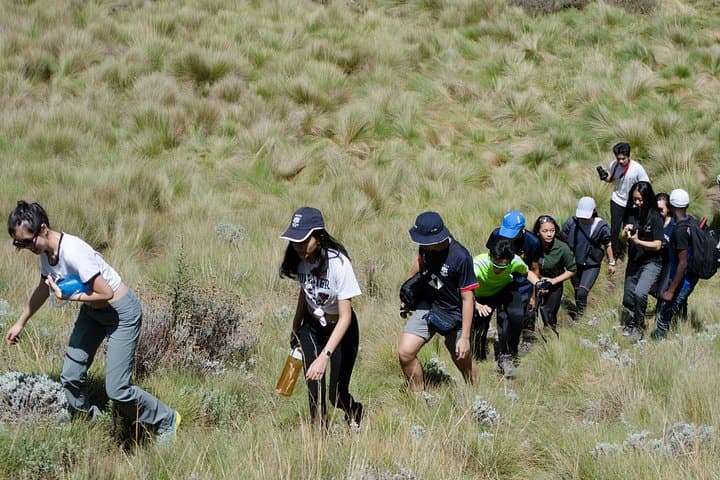
Practical guidance: the itinerary gains roughly 4,000m from Marangu Gate (~1,830m) to Uhuru Peak (5,895m) across 6 days, with key legs: Day 1 Marangu Gate to Mandara Hut 7 km/4–5 hrs (+910m), Day 2 to Horombo ~11 km/5–6 hrs (+1,000m), Day 4 to Kibo ~10 km/6–7 hrs, and the summit push (11–15 hrs roundtrip) from Kibo via Gilman’s Point to Uhuru Peak and down to Horombo. Expect varied terrain: muddy forest trails, tussock moorland, rock and scree on the saddle, and steep zigzags on the final ascent. Summit night starts near midnight; plan to move slowly, rest often and follow your guide’s pacing.
Gear and logistics: bring a layered system for sub-zero summit temps, a reliable headlamp, well-broken-in waterproof boots, and trekking poles for steep scree. Hydrate proactively and monitor symptoms of AMS — the inclusion of oxygen and evacuation services is not an invitation to push through symptoms. Finally, tip generously for porters and listen to local staff about trail conditions and weather. When you reach the rim and the sun flings light across the glaciers and Mawenzi’s jagged teeth, the hardship will clarify into a simple result: altitude, patience and practiced logistics earning you a rare, high vantage point over east Africa.