
Kilimanjaro Marangu Route 6-Day Trek: Hut-to-Hut Summit on the Coca-Cola Route
Tackle Kilimanjaro’s classic hut-to-hut Marangu route over six days for a guided summit attempt with an extra acclimatization day. Expect rainforest, moorland, communal huts, and a measured approach to high-altitude hiking.
An Adventure In Moshi.
Tackle Kilimanjaro’s classic hut-to-hut Marangu route over six days for a guided summit attempt with an extra acclimatization day. Expect rainforest, moorland, communal huts, and a measured approach to high-altitude hiking.
Read the full experience
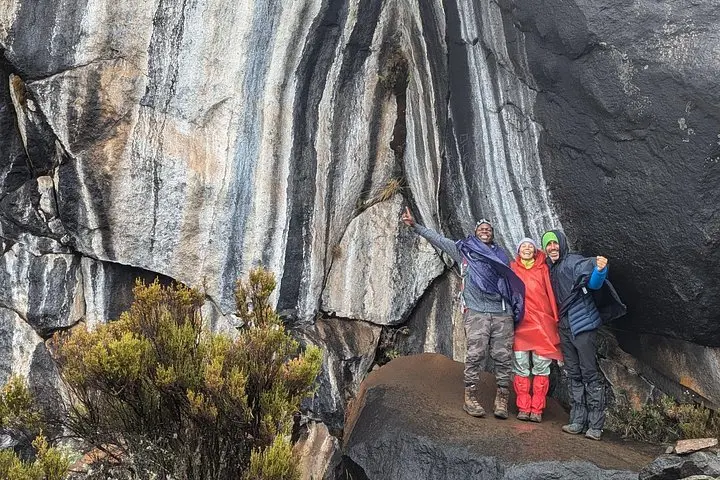
Dawn breaks over a ridge of giant lobelia as you step from the Mandara Hut into a humid forest alive with bird calls and the staccato movement of colobus monkeys. The trail here breathes—thick undergrowth giving way to open heather and then the stark moonscape of the alpine desert—each zone changing the rules of how you move and what you pack.
Dawn breaks over a ridge of giant lobelia as you step from the Mandara Hut into a humid forest alive with bird calls and the staccato movement of colobus monkeys. The trail here breathes—thick undergrowth giving way to open heather and then the stark moonscape of the alpine desert—each zone changing the rules of how you move and what you pack.
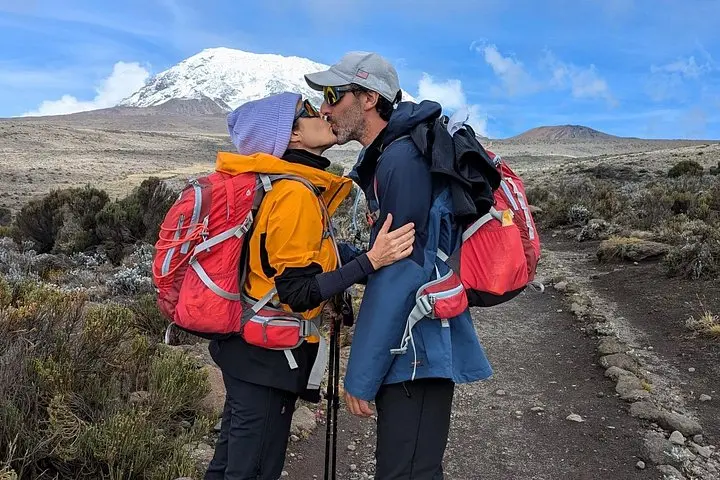
The Marangu route, often called the "Coca-Cola" route, is Kilimanjaro’s oldest and most communal path. It threads from rainforest to heath to the broad saddle beneath Kibo and Mawenzi, passing huts installed in the early park system era that still serve as social hubs for climbers. Geologically, Kilimanjaro is a dormant stratovolcano; Kibo’s crater rim and Uhuru Peak sit atop layers of cooled lava and ash worn by equatorial glaciers. The surrounding slopes are home to Chagga farms and villages whose irrigation terraces have coexisted with mountain access for generations.
Practicality governs the Marangu experience: six days of hut-to-hut trekking with an extra acclimatization day at Horombo significantly raises summit odds. Expect 4–8 hours of hiking on most days, cold nights in communal bunks, and variable footing—mud in the rainforest, tussock and scree higher up. Hydration, layered clothing for rapid temperature swings, and conservative pacing for altitude are non-negotiable.
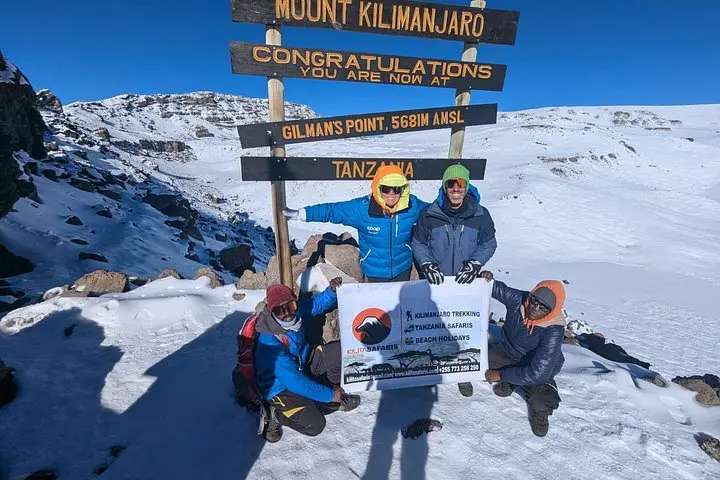
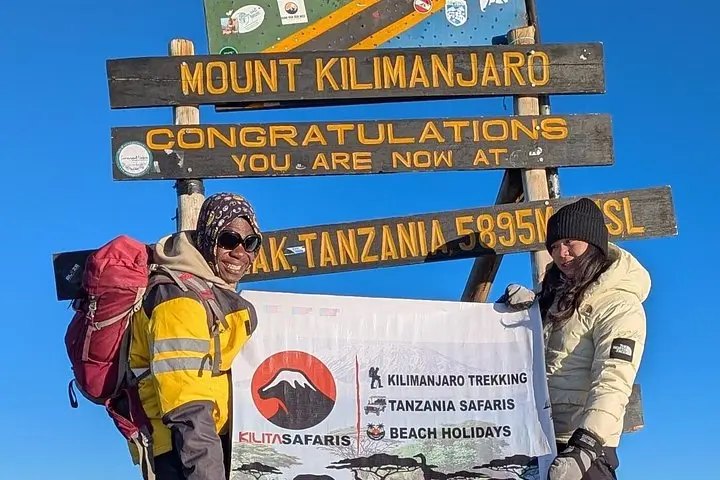
Plan for early starts on summit night, a steady headlamp rhythm, and a respectful attitude toward limited hut facilities. The route offers a relatively direct line to Uhuru Peak while delivering a vivid cross-section of Kilimanjaro’s ecosystems and local mountain culture.
Frequently asked questions
Marangu is considered one of the more straightforward routes because of hut accommodation and a gradual profile, but altitude and summit night still make it challenging.
Huts are communal with multiple bunks and basic facilities; privacy is limited and solar lighting is common.
June–October and December–February have the most stable weather windows, though day-to-day conditions can vary near the summit.
Report symptoms immediately to guides—descent is the primary treatment; the itinerary includes acclimatization to reduce risk, but prompt action is essential.
About This Experience
Kilita Safaris Tour Operator operates guided outdoor trips and adventures with an emphasis on safety, stewardship, and memorable experiences.
Adventure tips
Recommended gear
- Sturdy waterproof hiking boots: Support and traction for rainforest mud, heather, and high-altitude scree.
- Insulating layers and a down jacket: Temperatures fall sharply at night and on the summit; layering manages wide swings.
- Headlamp with spare batteries: Summit bid begins around midnight—hands-free light is critical.
- Hydration system (2–3L) and electrolytes: Continuous hydration aids acclimatization and keeps energy steady on long climbs.
Photos of the experience
Related adventures & guides
Read the full experience
Dawn breaks over a ridge of giant lobelia as you step from the Mandara Hut into a humid forest alive with bird calls and the staccato movement of colobus monkeys. The trail here breathes—thick undergrowth giving way to open heather and then the stark moonscape of the alpine desert—each zone changing the rules of how you move and what you pack.
Dawn breaks over a ridge of giant lobelia as you step from the Mandara Hut into a humid forest alive with bird calls and the staccato movement of colobus monkeys. The trail here breathes—thick undergrowth giving way to open heather and then the stark moonscape of the alpine desert—each zone changing the rules of how you move and what you pack.
The Marangu route, often called the "Coca-Cola" route, is Kilimanjaro’s oldest and most communal path. It threads from rainforest to heath to the broad saddle beneath Kibo and Mawenzi, passing huts installed in the early park system era that still serve as social hubs for climbers. Geologically, Kilimanjaro is a dormant stratovolcano; Kibo’s crater rim and Uhuru Peak sit atop layers of cooled lava and ash worn by equatorial glaciers. The surrounding slopes are home to Chagga farms and villages whose irrigation terraces have coexisted with mountain access for generations.
Practicality governs the Marangu experience: six days of hut-to-hut trekking with an extra acclimatization day at Horombo significantly raises summit odds. Expect 4–8 hours of hiking on most days, cold nights in communal bunks, and variable footing—mud in the rainforest, tussock and scree higher up. Hydration, layered clothing for rapid temperature swings, and conservative pacing for altitude are non-negotiable.
Plan for early starts on summit night, a steady headlamp rhythm, and a respectful attitude toward limited hut facilities. The route offers a relatively direct line to Uhuru Peak while delivering a vivid cross-section of Kilimanjaro’s ecosystems and local mountain culture.
Make a day of it nearby.
Verified experiences and guided adventures in the surrounding area.