THE ADVENTURE COLLECTIVE® · Independent discovery and booking for outdoor travel

Spend a single day threading Kilimanjaro’s Marangu Route from the rainforest to Mandara Hut and Maundi Crater. This brisk, wildlife-rich hike delivers dramatic views and cultural context without the multi-day climb.
Spend a single day threading Kilimanjaro’s Marangu Route from the rainforest to Mandara Hut and Maundi Crater. This brisk, wildlife-rich hike delivers dramatic views and cultural context without the multi-day climb.
The day begins before dawn on the red-dust streets of Moshi, where a private transfer threads between small farms and banana groves toward the Marangu Gate. Mist clings to the lower slopes and the forest breathes cool and wet; your guide checks permits, hands out a walking stick, and points up into the green where a path snakes into the mountain.
Verified experiences and guided adventures in the surrounding area.
Operated by Mount Meru Trekking · Moshi, Kilimanjaro Region
The day begins before dawn on the red-dust streets of Moshi, where a private transfer threads between small farms and banana groves toward the Marangu Gate. Mist clings to the lower slopes and the forest breathes cool and wet; your guide checks permits, hands out a walking stick, and points up into the green where a path snakes into the mountain.
The Marangu Route climbs through a living classroom: giant lobelias and ferns give way to tangled forest alive with the sharp calls of blue and colobus monkeys. The trees here act as stagehands—dropping light and shadow, sheltering birds, and occasionally parting to reveal long views back toward the town and the plains of northern Tanzania. The trail is persistent rather than technical: steady switchbacks, roots that teach you to watch your step, and a soft underlay of volcanic soil that cushions your stride.
Geology and culture surface as you ascend. Kilimanjaro is an ancient stratovolcano whose buildup of lava and ash over millennia created the steep ecological bands you walk through today. The Chagga people have lived on these slopes for generations; tea farms and stone terraces mark their practical stewardship of highland water and soil. Guides often translate both mountain science and local lore—how Maundi Crater was used as a lookout, and why the forest remains central to community life.
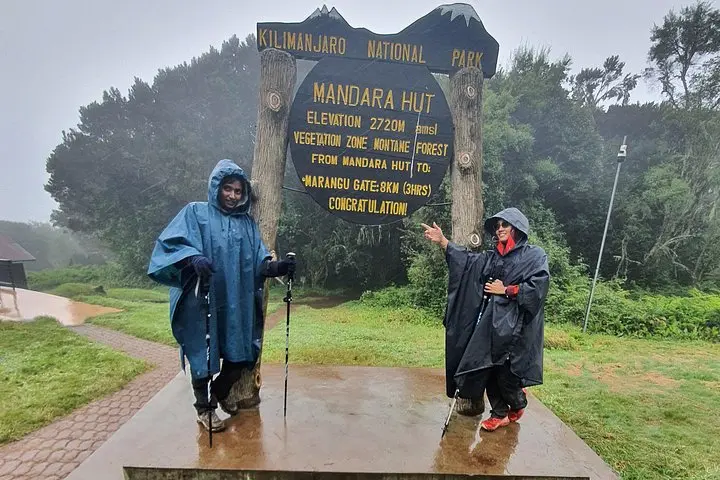
At roughly 2,700 meters the Mandara Hut appears: a scruffy, friendly outpost for day trekkers. After lunch, a short 15-minute walk pushes to Maundi Crater’s rim and a panorama that reaches from Kilimanjaro’s glaciers to the rift valley and, on clear days, into neighboring Kenya. The crater’s rim gives perspective—a reminder that even one strenuous morning can deliver an intimate Kilimanjaro experience.
Practical details matter. The hike gains about 840 meters (from 1,860m to 2,700m) over approximately 8 km one way. Expect 3–4 hours up and 2–3 hours down (total 5–7 hours). Wear sturdy hiking boots, bring layered clothing for swings in temperature, and carry at least 2 liters of water; the guides provide bottled water and lunch. Altitude is real even on a day trip—move at a steady pace, know the early symptoms of altitude sickness, and communicate with your guide.
This itinerary is ideal for travelers short on time who want wildlife, rainforest, and a highland viewpoint without an overnight on the mountain. Bookings typically include private transport, an English-speaking, certified guide, lunch, rain jacket, and walking stick. With good planning—early start, breathable layers, and respect for the mountain—you’ll return to Moshi with more than a photo: a sense of how Kilimanjaro shapes both the landscape and the lives around it.
The route is non-technical and suitable for hikers with regular activity, but it’s a steady climb—expect 3–4 hours up; pacing and taking breaks make it manageable for many novices.
Yes—altitude gains to 2,700 m can trigger symptoms; guide vigilance, slow pace, hydration, and knowing when to descend are key precautions.
Typical inclusions are private transport from Moshi, certified English-speaking guide, lunch, bottled water, walking stick, and a rain jacket; confirm specific inclusions when booking.
Families with older children who handle sustained uphill walking can join, but the operator may restrict very young children; check age requirements during booking.
Pickup from Moshi hotels is standard—bookings ask for your hotel and the operator confirms pickup location and time; expect to be ready 60 minutes before departure.
Yes, travel insurance covering evacuation and high-altitude medical issues is recommended even for day hikes at altitude.
Mount Meru Trekking operates guided outdoor trips and adventures with an emphasis on safety, stewardship, and memorable experiences.
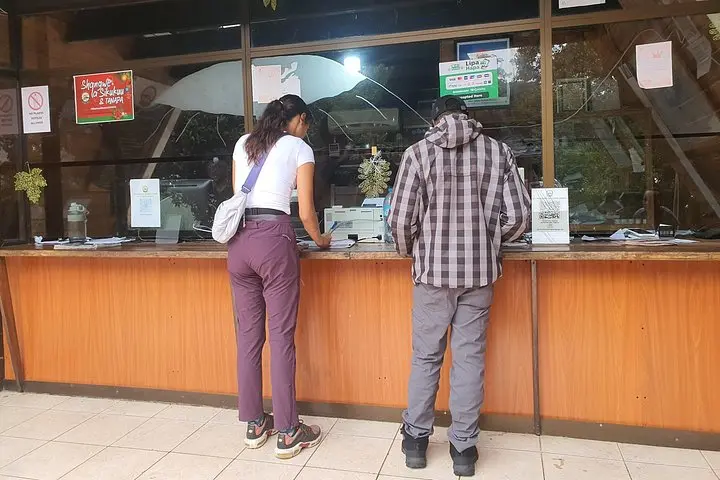
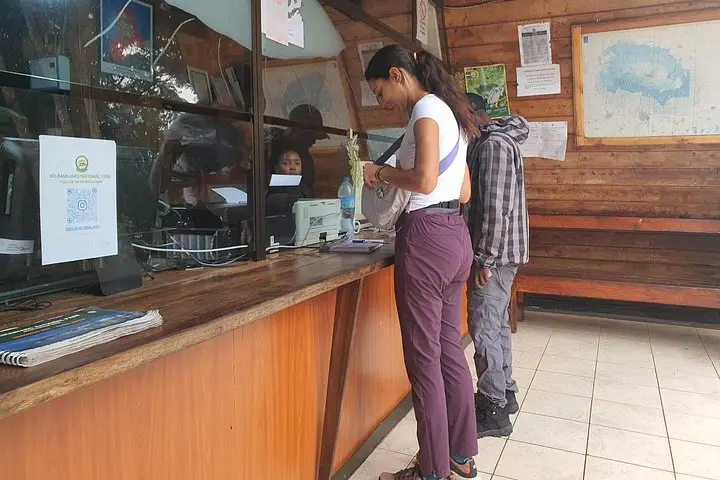
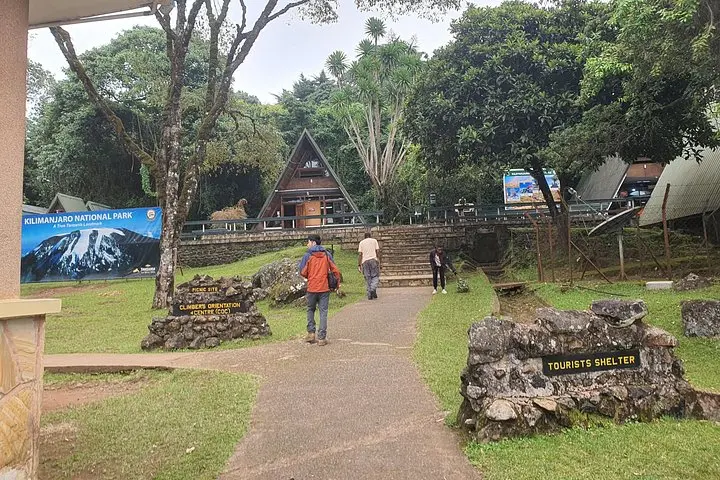
The day begins before dawn on the red-dust streets of Moshi, where a private transfer threads between small farms and banana groves toward the Marangu Gate. Mist clings to the lower slopes and the forest breathes cool and wet; your guide checks permits, hands out a walking stick, and points up into the green where a path snakes into the mountain.
The day begins before dawn on the red-dust streets of Moshi, where a private transfer threads between small farms and banana groves toward the Marangu Gate. Mist clings to the lower slopes and the forest breathes cool and wet; your guide checks permits, hands out a walking stick, and points up into the green where a path snakes into the mountain.
The Marangu Route climbs through a living classroom: giant lobelias and ferns give way to tangled forest alive with the sharp calls of blue and colobus monkeys. The trees here act as stagehands—dropping light and shadow, sheltering birds, and occasionally parting to reveal long views back toward the town and the plains of northern Tanzania. The trail is persistent rather than technical: steady switchbacks, roots that teach you to watch your step, and a soft underlay of volcanic soil that cushions your stride.
Geology and culture surface as you ascend. Kilimanjaro is an ancient stratovolcano whose buildup of lava and ash over millennia created the steep ecological bands you walk through today. The Chagga people have lived on these slopes for generations; tea farms and stone terraces mark their practical stewardship of highland water and soil. Guides often translate both mountain science and local lore—how Maundi Crater was used as a lookout, and why the forest remains central to community life.
At roughly 2,700 meters the Mandara Hut appears: a scruffy, friendly outpost for day trekkers. After lunch, a short 15-minute walk pushes to Maundi Crater’s rim and a panorama that reaches from Kilimanjaro’s glaciers to the rift valley and, on clear days, into neighboring Kenya. The crater’s rim gives perspective—a reminder that even one strenuous morning can deliver an intimate Kilimanjaro experience.
Practical details matter. The hike gains about 840 meters (from 1,860m to 2,700m) over approximately 8 km one way. Expect 3–4 hours up and 2–3 hours down (total 5–7 hours). Wear sturdy hiking boots, bring layered clothing for swings in temperature, and carry at least 2 liters of water; the guides provide bottled water and lunch. Altitude is real even on a day trip—move at a steady pace, know the early symptoms of altitude sickness, and communicate with your guide.
This itinerary is ideal for travelers short on time who want wildlife, rainforest, and a highland viewpoint without an overnight on the mountain. Bookings typically include private transport, an English-speaking, certified guide, lunch, rain jacket, and walking stick. With good planning—early start, breathable layers, and respect for the mountain—you’ll return to Moshi with more than a photo: a sense of how Kilimanjaro shapes both the landscape and the lives around it.