THE ADVENTURE COLLECTIVE® · Independent discovery and booking for outdoor travel
A private, seven-day Machame ascent moves deliberately from rainforest to alpine desert, finishing at Uhuru Peak. This guided climb offers top-level support, acclimatization-focused pacing, and the dramatic sunrise summit push every serious trekker imagines.
A private, seven-day Machame ascent moves deliberately from rainforest to alpine desert, finishing at Uhuru Peak. This guided climb offers top-level support, acclimatization-focused pacing, and the dramatic sunrise summit push every serious trekker imagines.
The morning on Kilimanjaro begins with a hush that feels larger than the mountain itself. You step out of camp into a cool, dripping rainforest; mist threads between moss-covered trunks as guides unfurl the day’s plan. Over seven days the trail unspools upward—rainforest becomes heath, heath opens to the wide bald of Shira Plateau, then a lunar high desert, and finally the razor crest toward Uhuru Peak. Each campsite is a small, human-made harbor against an immense, patient mountain.
Verified experiences and guided adventures in the surrounding area.
Operated by CLIFF AFRICA ADVENTURE · Moshi, Kilimanjaro Region
The morning on Kilimanjaro begins with a hush that feels larger than the mountain itself. You step out of camp into a cool, dripping rainforest; mist threads between moss-covered trunks as guides unfurl the day’s plan. Over seven days the trail unspools upward—rainforest becomes heath, heath opens to the wide bald of Shira Plateau, then a lunar high desert, and finally the razor crest toward Uhuru Peak. Each campsite is a small, human-made harbor against an immense, patient mountain.
Kilimanjaro is an eroded stratovolcano with three volcanic cones—Kibo, Mawenzi and Shira. The Machame Route, praised for scenery and acclimatization profile, curves around Shira, climbs the Barranco Wall and finishes with the steep, atmospheric push from Barafu to Uhuru at 5,895 m. The route traces ecological bands: montane forest rich with birdlife, moorland of giant lobelias, and an alpine desert where the air thins and sunlight sharpens.
Local culture is part of the climb. Most support staff are from the Chagga and Pare communities around Kilimanjaro; their work ethic and trail knowledge make the ascent possible. The park’s modern history includes early European ascents in the late 19th century and long-running conservation efforts that balance tourism with fragile alpine ecology.
What to expect practically: this is non-technical but physically demanding high-altitude trekking. The private 7-day Machame schedule prioritizes acclimatization—each day moves you thoughtfully higher with built-in rest points to reduce altitude risk. Meals are cooked in camp by experienced cooks; tents are four-season and crews carry most gear so climbers carry daypacks.
Prepare for wide temperature swings. Layering matters more than weight—days can be warm, nights very cold. Hydration and slow, steady pacing are the easiest ways to protect yourself from altitude. Summit night is a long, mostly walking, push that begins around midnight; you’ll trade sleep for a sunrise that, if weather cooperates, unfolds across an ocean of cloud and the distant Rift Valley.
Logistics to note: permits and park fees are included; operator pickup is typically from Moshi or Kilimanjaro Airport. Bring documentation for booking (passports, flight details), and budget for porter tips at the end of the climb. Finally, respect the mountain: stick to marked trails, pack out waste, and prioritize local crew welfare—this is how Kilimanjaro remains climbable for the next generation.
No technical climbing is required on the Machame route—routes are hiking trails though summit sections are steep and exposed to cold and wind.
June–October and late December–February offer the most stable weather windows and clearer summit visibility.
A high level of cardio fitness and experience with multi-day hiking helps; practice long days with a loaded pack before arrival.
The itinerary is designed for acclimatization but monitor symptoms; descend immediately if moderate to severe AMS develops and use guides trained in high-altitude emergencies.
Yes—this private climb includes park fees, camping fees and required conservation levies as part of the package.
Most climbers use porters provided by the operator to carry heavy loads; you should carry only a daypack with essentials and summit gear.
CLIFF AFRICA ADVENTURE operates guided outdoor trips and adventures with an emphasis on safety, stewardship, and memorable experiences.
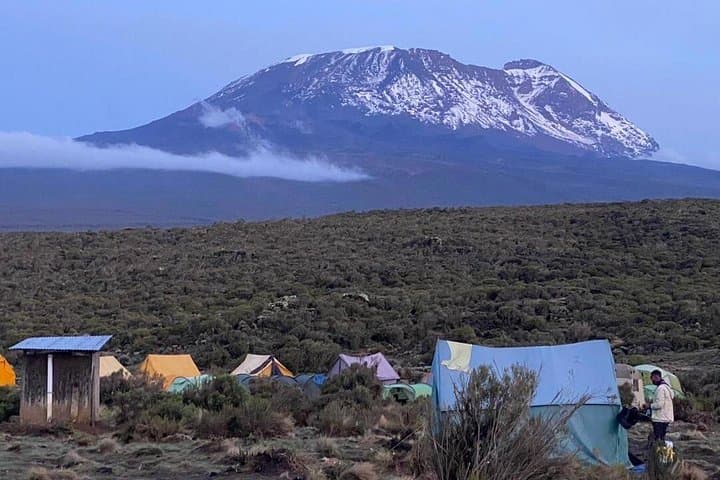
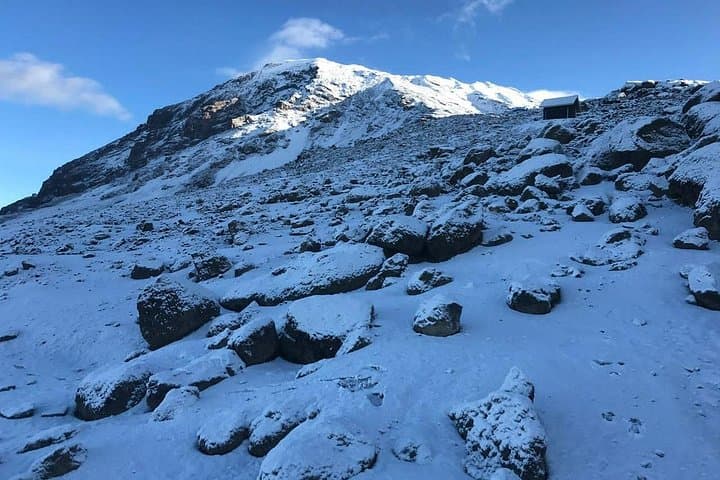
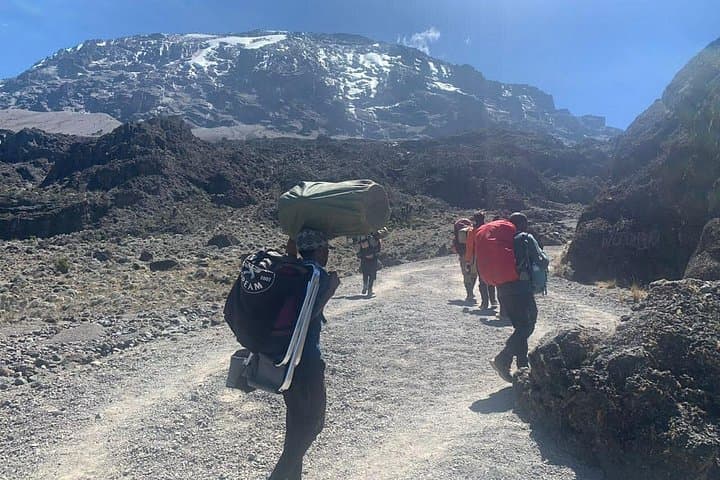
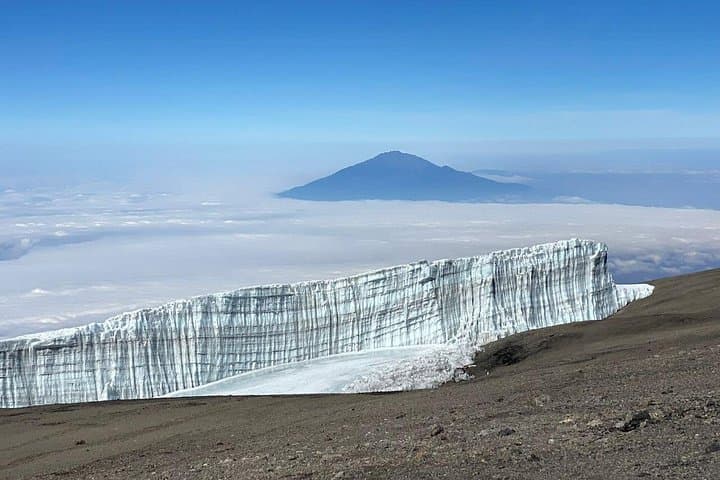
The morning on Kilimanjaro begins with a hush that feels larger than the mountain itself. You step out of camp into a cool, dripping rainforest; mist threads between moss-covered trunks as guides unfurl the day’s plan. Over seven days the trail unspools upward—rainforest becomes heath, heath opens to the wide bald of Shira Plateau, then a lunar high desert, and finally the razor crest toward Uhuru Peak. Each campsite is a small, human-made harbor against an immense, patient mountain.
The morning on Kilimanjaro begins with a hush that feels larger than the mountain itself. You step out of camp into a cool, dripping rainforest; mist threads between moss-covered trunks as guides unfurl the day’s plan. Over seven days the trail unspools upward—rainforest becomes heath, heath opens to the wide bald of Shira Plateau, then a lunar high desert, and finally the razor crest toward Uhuru Peak. Each campsite is a small, human-made harbor against an immense, patient mountain.
Kilimanjaro is an eroded stratovolcano with three volcanic cones—Kibo, Mawenzi and Shira. The Machame Route, praised for scenery and acclimatization profile, curves around Shira, climbs the Barranco Wall and finishes with the steep, atmospheric push from Barafu to Uhuru at 5,895 m. The route traces ecological bands: montane forest rich with birdlife, moorland of giant lobelias, and an alpine desert where the air thins and sunlight sharpens.
Local culture is part of the climb. Most support staff are from the Chagga and Pare communities around Kilimanjaro; their work ethic and trail knowledge make the ascent possible. The park’s modern history includes early European ascents in the late 19th century and long-running conservation efforts that balance tourism with fragile alpine ecology.
What to expect practically: this is non-technical but physically demanding high-altitude trekking. The private 7-day Machame schedule prioritizes acclimatization—each day moves you thoughtfully higher with built-in rest points to reduce altitude risk. Meals are cooked in camp by experienced cooks; tents are four-season and crews carry most gear so climbers carry daypacks.
Prepare for wide temperature swings. Layering matters more than weight—days can be warm, nights very cold. Hydration and slow, steady pacing are the easiest ways to protect yourself from altitude. Summit night is a long, mostly walking, push that begins around midnight; you’ll trade sleep for a sunrise that, if weather cooperates, unfolds across an ocean of cloud and the distant Rift Valley.
Logistics to note: permits and park fees are included; operator pickup is typically from Moshi or Kilimanjaro Airport. Bring documentation for booking (passports, flight details), and budget for porter tips at the end of the climb. Finally, respect the mountain: stick to marked trails, pack out waste, and prioritize local crew welfare—this is how Kilimanjaro remains climbable for the next generation.
